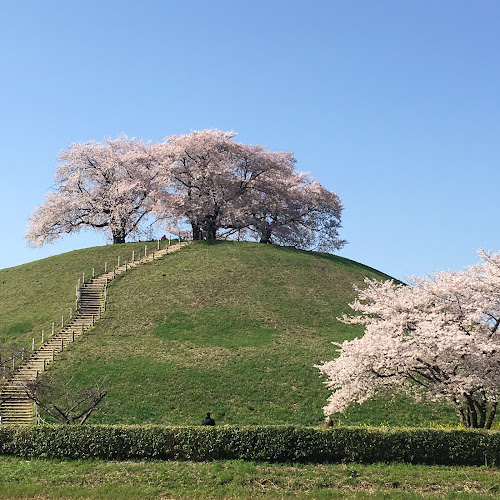
The Sakitama Kofun Ancient Tomb Park in Gyoda, Saitama, is a place that hits differently than other historic sites in Japan. If you ever wondered what life felt like here centuries before Shinkansen and neon billboards, it’s one of those pockets where ancient times and the everyday overlap. This isn’t just a park—it’s a monumental record of Japan’s mysterious Kofun period (roughly 5th to 7th centuries), and honestly, it’s more immersive than many history books.
Picture this: grassy mounds (yeah, the kofun themselves), some keyhole-shaped, others round, popping up across serene parkland dotted with cherry blossom trees—the type of place that makes springtime practically shimmer. Nine kofun mounds punctuate the landscape, each one a burial site for tribal leaders or local bigwigs from Japan’s early days. And the sheer scale of them—massive earthen structures older than most countries—just sticks with you.
But Sakitama Kofun Ancient Tomb Park isn’t just a place for history buffs. Bring a picnic (seriously, locals do), go for a lazy stroll under the sakura, or let the kids run wild on the playground. The space is wide open, with surprisingly gentle hiking trails and grassy knolls that invite you to slow down. The site’s a hit with families and anyone craving a day away from city din. It’s not a tourist circus, either, so you don’t have to elbow through crowds to catch a glimpse of the main kofun or miss out on that classic cherry blossom shot.
On top of that, there’s a small museum—the Saitama Prefectural Museum of the Sakitama Ancient Burial Mounds—that opens up stories hidden beneath the soil. The exhibits include the famous Inariyama Sword (a gold-inlaid iron sword designated a National Treasure), ancient artifacts, and even clay haniwa figures that once stood sentinel atop the burial mounds. If you’ve ever geeked out on archaeology or Japanese mythology, this place delivers.
It isn’t all smooth edges: some visitors hope for more onsite food or larger-scale events, and there’s a subtle air of nostalgia, a little rough around the edges. But the place is clean, accessible (wheelchair-friendly and pet-friendly), and the free parking doesn’t hurt either. To me, the upsides far outweigh the quibbles, especially when you’re standing atop Maruhakayama Kofun, watching a line of cherry blossom petals drift in the wind.
All things considered, Sakitama Kofun Ancient Tomb Park is a refreshingly honest historic site—grand, quiet, a bit quirky, and never lacking in character. If you want to slip past the usual tourist loop and actually touch an ancient thread running through the Kanto region, this park is where you start pulling.
Key Features
- Nine Ancient Burial Mounds – Ranging in shapes and sizes, including keyhole-shaped (which is iconically Japanese) and circular mounds like Maruhakayama Kofun. Some are open to gentle hikes, and each has its own story from the 5th–7th centuries.
- Saitama Prefectural Museum of the Sakitama Ancient Burial Mounds – Dive into Japan’s Kofun period with real artifacts, haniwa clay figures, and the legendary Inariyama Sword that has over 115 gold-inlaid characters carved in, making it as much an archaeological hot take as a work of art.
- Cherry Blossom Spot – Come spring, the park’s mounds and paths are lined with cherry blossom trees, especially magical around Maruhakayama Kofun. Bring your camera, or just soak it all in—no digital file can do the moment justice.
- Kid-Friendly Everything – With open space, a playground, and paths fit for strollers, this is the type of historic outing that doesn’t bore children to tears.
- Gentle Nature Trails – Trails wind among the tumuli, letting you sightsee (and occasionally lose yourself) without much risk. You’ll want comfortable shoes, but you won’t need hiking boots.
- Dog-Friendly and Accessible – Bring your pup; the park welcomes leashed dogs. The entrance and on-site parking are wheelchair friendly, which I really appreciate—it means nearly everyone can enjoy the scenery and the stories.
- Public Restrooms – Simple but vital when you’re traveling (especially with kids or grandparents in tow).
- Picnic-Friendly Lawns – Plenty of space to spread a mat, nibble on convenience store sandwiches, and let the day stretch out as long as you want.
- Free On-Site Parking – Not the case everywhere in Saitama, and it’s a huge perk if you’re doing a family road trip or a quick detour from Tokyo.
- Local Festivals and Events – Occasionally, the park hosts seasonal events, including the Sakitama Fire Festival, which adds another layer to the usual calm with food stalls and performances. But really, most days, it’s tranquil.
Best Time to Visit
Here’s the thing: Sakitama Kofun Ancient Tomb Park wears a different face each season, and I don’t say that lightly.
If you’re a cherry blossom chaser (who isn’t, right?), late March to early April is magic. The tumuli, especially Maruhakayama and Inariyama Kofun, are ringed and topped by blossom trees—hundreds of them. The contrast of ancient burial mounds carpeted with fresh petals is the photo opp for any trip to Saitama.
For autumn fans, late October into November paints the park in gold and rust, and there’s something hauntingly beautiful about the kofun set against fiery foliage. Smack in the middle of summer, you can picnic on shady lawns or catch local kids pitching baseballs on the grass, but you’ll want plenty of sunscreen and a wide-brimmed hat (that Saitama sun can be relentless).
Winter is pretty quiet, which has its own appeal: mist on the mounds, practically no crowds, and time to soak in the scale of ancient Japan at your own pace.
If you want to see events, Golden Week (late April to early May) hosts the Sakitama Fire Festival—one of the park’s big highlights—with performances, food stalls, and even fireworks. That said, most days it’s more likely you’ll see locals out walking dogs, couples enjoying a slow stroll, and the occasional field trip group learning about Japan’s early rulers.
Oh, almost forgot—the weather in Gyoda is classic inland Kanto: hot, humid summers and brisk, clear winters. Spring and autumn are hands-down the best seasons for most travelers, but there’s no truly bad time (unless you hate being outdoors, then…maybe just visit the museum).
How to Get There
Let’s be honest: getting off the Tokyo grid to places like Sakitama Kofun Ancient Tomb Park can either be an adventure or a headache. Luckily, the park’s access is decent even without a car.
If you’re coming in from Tokyo, hop aboard the JR Takasaki Line and ride up to Gyoda Station. That’s in the heart of Gyoda city, which is no metropolis, but it’s got all the basics. From Gyoda Station, don’t make the mistake of walking unless you love long marches (it’s about 3km to the park). Instead, grab a local city bus—look for buses heading toward “Sakitama Kofun Koen Mae.” Get off at the appropriately named “Sakitama Kofun Koen Mae” stop; the park is just there. Buses are frequent but check the schedule on weekends.
If you’re feeling like a local, rent a bike at the station. Gyoda is pancake-flat and pretty chill for cyclists. Taxis are also an option and, for groups or families, might actually cost less than roundtrip bus tickets.
Driving? Plug Sakitama Kofun Ancient Tomb Park into your car’s GPS and you’ll find the free parking lots on site. Coming from central Saitama city or even Omiya? It’s about a 30-minute drive if traffic isn’t being grumpy.
If you’re a JR Pass holder on a broader Japan travel adventure, quick tip: stick to JR lines to Gyoda, then just jump on the bus or taxi. It really is simple once you’re in the city proper.
Tips for Visiting
After a few trips of my own (and one accidental detour through rice fields—don’t trust Google Maps blindly), I’ve gathered some tips to make your visit to Sakitama Kofun Ancient Tomb Park even better.
- Go Early for Sakura – If you’re after cherry blossom shots or just want peace, hit the park before 10am in sakura season. The mounds lit by morning light are something else.
- Visit the Museum First – The Saitama Prefectural Museum of the Sakitama Ancient Burial Mounds orients you to what you’re seeing in the park. A little background turns grassy mounds into stories you’ll remember. Bonus: real haniwa figures and the gold-inlaid Inariyama Sword up close.
- Climb Maruhakayama Kofun – Not every day you can climb a 1500-year-old tomb mound (without breaking any rules). The view from the top is classic Kanto—mountains on a clear day, city edges in the hazy distance, and cherry blossoms everywhere in season.
- Bring Snacks and Drinks – While there are vending machines and sometimes local street food stands during festivals, on regular days, you’ll want to pack your own. There’s comfortable space for a full picnic lunch.
- Prepare for Weather – Umbrella or poncho in the rainy season (June-July), bug spray for summer, and layers for autumn and winter. Trust me, Kanto mosquitos are real and hungry.
- Respect the Mounds – These aren’t just fancy hills; they’re centuries-old graves. Most are marked off, but stick to paths and respect signage. No climbing except where it’s clearly allowed (Maruhakayama, for example, has stairs up top).
- Kid & Dog Friendly – Dogs on leashes are fine. The park is popular with families, and there’s a small playground and easy walks.
- Photography Etiquette – Sunrise and sunset bring amazing light. Drones aren’t allowed, but regular cameras are fine. If you get a truly unique shot from the top of a mound with sakura in full bloom, please print it and stick it on your fridge (digital is overrated, right?).
- Wheelchair/Stroller Accessibility – The main pathways are paved or packed gravel, so getting around is pretty straightforward for wheelchairs and strollers. Some mounds have stairs, but much of the park is navigable.
- Spend a Full Afternoon – Honestly, between the museum, the park, a picnic, and some slow time to think, three or four hours disappears fast. Make it a day trip from Tokyo or tack it onto a Gyoda city itinerary, and you won’t regret it.
If you’re plotting out a longer stay in Gyoda or Saitama, Sakitama Kofun Ancient Tomb Park is a brilliant anchor spot for your itinerary. You’ll mix history, nature, and true Japanese flavor in one of the country’s lesser-hyped—but totally brilliant—historic sites. If you’ve ever dreamed of standing where ancient rulers once did, watching petals fall on tombs older than most dynasties, now you know where to go.
 Real Journey Travels