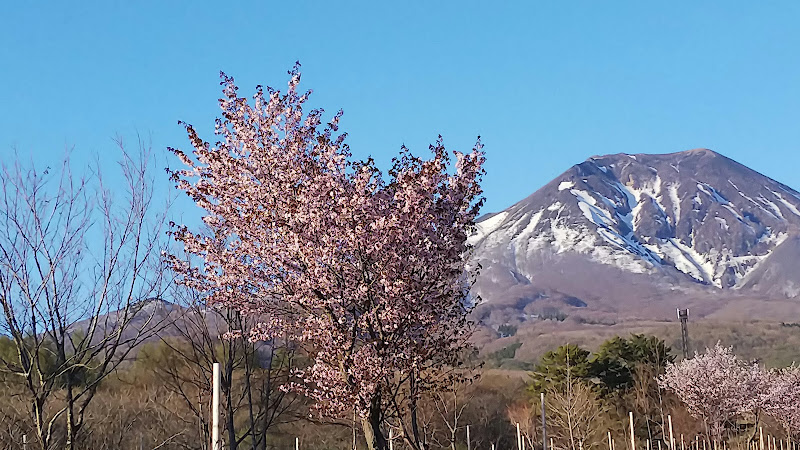
Tokiwano-nōson-kōen, widely known as Mizubashō Flowers Park, is a quiet nature-focused stop in the Tokiwano area of Hirosaki, Aomori. Rather than a formal city garden built around showpieces, it is valued for a more restrained seasonal encounter: mizubashō, the Asian skunk cabbage associated with damp ground and the first signs of spring. Its appeal is in looking closely, moving slowly, and letting the setting do the work.
This is an especially appealing contrast to Hirosaki’s headline attractions during the busy cherry-blossom period. The park is not a substitute for the castle’s grand moat views or festival energy; it offers a gentler, less programmed experience. Visitors come to observe pale flowers in their natural seasonal setting, notice water and plant life around them, and spend a little time away from the city’s more familiar sightseeing circuit. Treat it as a small detour for nature lovers, not an all-day entertainment destination.
Standout Highlights & Experience
The mizubashō display is the clear reason to visit. These distinctive flowers, with their pale hood-like spathes and central flower spikes, are closely tied to wetland landscapes and are most compelling when viewed as part of their environment rather than as a single photo subject. The park’s modest scale and calm mood make it well suited to unhurried observation, quiet photography, and a restorative pause between larger Hirosaki sights.
- Seasonal mizubashō, or Asian skunk cabbage, in a nature-oriented setting.
- A peaceful alternative to Hirosaki’s busiest blossom-season attractions.
- Wetland character that rewards close looking at plants and water.
- A low-key stop for nature photography and contemplative walks.
- A chance to experience a less tourist-heavy side of Hirosaki.
- A simple, seasonal outing rather than a heavily curated garden visit.
Practical Visitor Strategy
| Factor | What to Know |
|---|
| Best Time to Go | Plan around the mizubashō season, as the flowers are the main draw. Bloom timing varies with weather, so confirm current local conditions before making a dedicated trip. |
| Suggested Duration | Allow roughly 30 to 60 minutes for a relaxed look, photographs, and time to absorb the atmosphere. Add time only if you are pairing it with other rural or natural stops. |
| Crowd & Entry Tips | The park is known for a quieter feel, but seasonal flowers can still draw visitors. A weekday or earlier visit is a sensible choice for a more peaceful experience. |
| Getting Oriented | Arrive with the flower season in mind and keep expectations simple: the focus is nature observation, not extensive attractions. Carry cash if you expect to make any local purchase. |
Because the experience depends strongly on seasonal conditions, flexibility matters more here than a tightly timed itinerary. Check bloom reports or local visitor information close to departure, especially in years when spring arrives early or late. Bring weather-appropriate footwear and layers: damp landscapes can feel cooler than central Hirosaki, and rain can change the ground underfoot. If you are visiting chiefly to photograph flowers, softer morning or overcast light can help reveal their form while also supporting the park’s quiet character.
Honest Fit: Who Will Love It (and Trade-Offs)
Tokiwano-nōson-kōen is best for spring flower enthusiasts, bird-and-plant watchers, photographers, repeat visitors to Hirosaki, and travelers who prefer a calm local landscape to a checklist of major landmarks. It can work well for couples, solo travelers, and families willing to enjoy a brief outdoor stop without rides, exhibits, or a packed program. The trade-off is that its charm is subtle and seasonal: outside the mizubashō period, or for visitors seeking dramatic vistas, elaborate landscaping, or many on-site activities, it may feel too quiet. As a natural setting, conditions may include damp, uneven, or weather-affected surfaces; travelers with limited mobility, strollers, or footwear concerns should verify current access conditions before going. Pair it with Hirosaki Castle and its cherry-blossom setting for a contrast between celebrated city scenery and a more understated floral landscape, or include it in a slower day exploring Hirosaki’s surrounding countryside. Come for the flowers, but leave room for the stillness that makes this park distinctive.
 Real Journey Travels