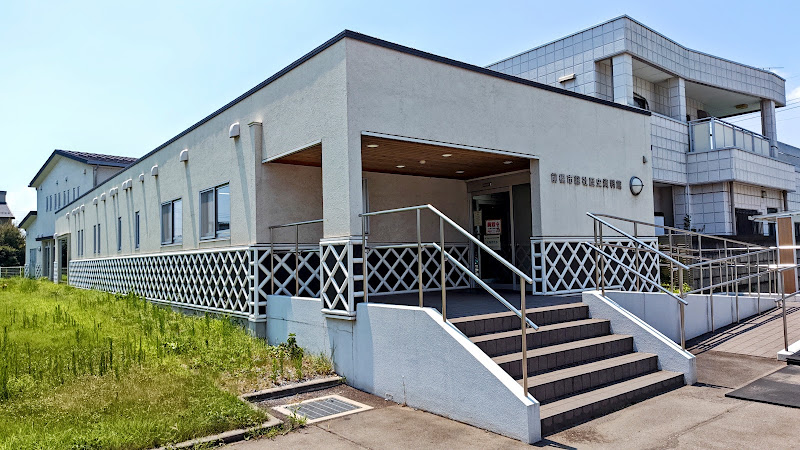
Maebashi City Soja History Museum is a focused local museum in Maebashi’s Soja area, where the long human story of Gunma is approached through the evidence of daily life, archaeology, administration and industry. Rather than attempting a sweeping survey of all Japan, it gives visitors a grounded introduction to one district and its changing role from ancient times into the modern era. The result is especially rewarding for travelers who enjoy understanding the layers beneath a landscape before exploring more of the city or prefecture.
The museum’s character is quiet, compact and interpretive. Its displays connect excavated material, local ruins and practical objects to the people who used them, helping turn an unfamiliar place-name into a more legible historical setting. Soja’s past is not presented as a single grand narrative: ancient burial culture, the nearby history of provincial government, farming and the silk-related economy all form part of the picture. Take time with captions, models and reconstructions; the value of a visit lies in noticing how these strands explain the development of this corner of Maebashi.
Standout Highlights & Experience
Begin with the archaeological displays, which provide the deepest time perspective and make clear that the area was important long before modern Maebashi took shape. Material associated with ancient tombs and excavated ruins offers a useful entry point for visitors unfamiliar with Gunma’s archaeological heritage. The museum also explores the Kozuke provincial government site, placing Soja within the administrative world of historic Japan rather than treating it only as a rural settlement.
- Ancient tomb and ruin artifacts that introduce Soja’s early settlement history.
- Kozuke provincial government context for understanding the area’s historical administrative importance.
- Augmented-reality interpretation that helps visitors picture former landscapes and structures.
- Life-size historic reconstructions, including storehouse-related spaces that add a sense of scale.
- Rice-cultivation tools and everyday objects that connect broad history with working lives.
- Silk-industry stories showing how local economic change shaped the region.
Practical Visitor Strategy
| Factor | What to Know |
|---|
| Best Time to Go | Visit earlier in the day for an unhurried look at labels, reconstructions and digital interpretation. |
| Suggested Duration | Allow roughly 45 to 90 minutes; history-minded visitors may want longer to read the archaeological and administrative context. |
| Crowd & Entry Tips | This is best treated as a deliberate local stop rather than a rushed add-on. Check current admission arrangements, exhibition changes and access conditions before setting out. |
| Getting Oriented | Start with the chronological displays, then use the Kozuke provincial government material to connect objects with the wider Soja landscape. |
A useful approach is to move from the oldest evidence to the more recent social and economic displays. First, identify what the artifacts reveal about settlement and burial practices; next, look for how the provincial-government material changes the scale of the story; finally, finish with farming, storehouse and silk-related displays to see how work and commerce shaped ordinary life. Augmented-reality elements are most effective when used as a bridge between the museum interior and the sites, roads and open spaces beyond it. If labels are available only partly in a language you read, visual material, object groupings and reconstructions still provide a clear route through the collection.
Honest Fit: Who Will Love It (and Trade-Offs)
This museum is a strong fit for archaeology enthusiasts, families with curious older children, repeat visitors to Japan seeking regional context, and travelers who prefer a concentrated cultural stop to a large blockbuster institution. It is also worthwhile for anyone interested in how provincial administration, agriculture and the silk economy intersected in Gunma. Those looking for a highly theatrical, technology-heavy attraction or a vast collection of famous national treasures may find the scale modest; its appeal is precision and local depth. Plan for an indoor, close-reading experience rather than a fast photo stop. Visitors with mobility needs should confirm current access provisions in advance, and anyone continuing around the surrounding historic area should allow for outdoor conditions and potentially uneven ground. Pair the museum with time to explore the wider Soja area, a broader Maebashi itinerary, or other Gunma cultural and archaeological stops for a fuller sense of place.
 Real Journey Travels