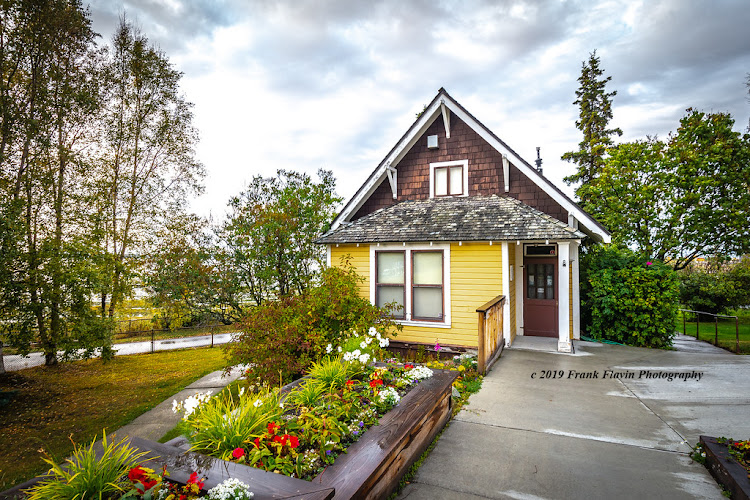
The Oscar Anderson House Museum preserves a slice of early Anchorage life inside a wood-frame home built in 1915. The museum stands as an authentic house museum where original and period-appropriate antiques, photographs, and household items create a lived-in tableau of the city before it became the Alaska most people now recognize. Visitors step into rooms that still feel domestic — a parlor with lace and a piano, a kitchen with enamelware, bedrooms that whisper about sleeping arrangements and family routines a century ago. It’s not a staged theme park; it is a house that once held meals, arguments, repairs after a long winter, and the small, repetitive work that built a community.
As a place in Anchorage, the Anderson house offers more than artifacts. It offers context. The exhibits connect Oscar Anderson himself — a Swedish immigrant who became a downtown merchant and civic figure — to the broader development of Anchorage in the early 20th century. The house helps explain how a small lakeside tent camp grew into a city with stores, schools, and municipal plans. Interpretive panels and docents translate local events into human stories: debates about roads, the arrival of supplies via ship and rail, how families adapted to long winters. For those curious about settler life, migration, and local commerce, the museum is a compact primer.
There is a particular charm in visiting a historic house this intact. Many house museums are reconstructions or large institutionalized sites with glass cases and velvet ropes. This house museum keeps it personal. Walk past the front hall, and one imagines the sound of boots on a snowy porch. Peer at a child-sized chair and a visitor might picture the small hands that once climbed into it. That ability to close the gap between object and person is the museum’s greatest strength.
The tone of most visitor reactions reflects appreciation — many guests praise the sense of step-back-in-time authenticity — but there is honesty to the experience too. The house is small, and the collection focuses tightly on domestic life and local development, not on sweeping statewide history. Those who come expecting a huge exhibit complex may be surprised. But those who love detail, who like to linger by a mantelpiece and read a ledger, will leave satisfied. And for travelers who plan their Anchorage itinerary around a few meaningful stops, this site is an efficient, rewarding visit.
Key Features
- Historic 1915 wood-frame home preserved as a house museum, offering a genuine look at early Anchorage domestic life
- Period antiques and original furnishings that illustrate daily life, work, and recreation in the early 20th century
- Interpretive exhibits and photographic displays that tie the Anderson family story to Anchorage development
- Guided tours led by local volunteers and docents who share anecdotes, context, and neighborhood lore
- Compact layout that makes for a focused 30–60 minute visit, an excellent complement to downtown Anchorage walking routes
- Seasonal programs and special events that highlight holiday traditions, preservation work, and community history
- Educational resources geared to school groups, history buffs, and those researching Anchorage’s municipal beginnings
- Location near other downtown attractions, making it easy to include alongside Ship Creek, local museums, and public art
Best Time to Visit
The museum is most enjoyable during the long daylight of late spring through early fall when downtown Anchorage bustles and walking between attractions is pleasant. Summer months offer the warmest weather and the most predictable opening hours; many visitors plan this stop on a clear afternoon after exploring the nearby creek and markets. That said, off-season visits — late fall and winter — have their own appeal. When snow flakes hearier in Anchorage, the house takes on a quieter, introspective mood that more closely aligns with the life it interprets: shorter days, oil lamps in stories, bundled clothing.
For travelers with a flexible schedule, weekdays in shoulder seasons (May–June and September) can be ideal. There are fewer tour groups, docents have time for longer conversations, and visitors often report a better chance to photograph interiors without rush. If someone wants a docent-led tour with in-depth stories, planning ahead for a morning or early afternoon slot is smart — many volunteer-run museums concentrate tour capacity during those times.
Weather matters only as it affects comfort getting to and from downtown. Anchorage summer averages mild temperatures and long daylight — perfect for adding other local stops. Winter visits require warmer clothing and the expectation that the museum experience will be briefer, but the payoff is a very intimate sense of how residents lived through colder months in the early 1900s.
How to Get There
The Oscar Anderson House Museum sits within walking distance of Anchorage’s downtown core, which makes it highly accessible for people already staying in central hotels or exploring downtown on foot. Travelers arriving by plane typically land at the city airport and then use a shuttle, taxi, rideshare, or rental car to reach the downtown area. From the central transit hubs, a brief walk will get one to the museum along streets lined with cafes and shops. The walk is flat and straightforward, though visitors should wear sensible footwear when sidewalks are icy.
For those driving, public parking options exist nearby, but availability varies with downtown events. It’s wise to allow extra time for parking during festival weekends or when cruise ships are in port — Anchorage sees seasonal spikes in visitors. Rideshare services and local taxis are reliable alternatives and drop-off at a convenient spot close to the front gate. Cyclists will find bike racks in the neighborhood; Anchorage has been increasingly bike-friendly, though conditions depend on the season.
Public transit is an option for budget-conscious travelers. Anchorage’s bus routes link residential neighborhoods to the downtown core. A short bus ride plus a five- to ten-minute walk will place visitors at the house museum. Those unfamiliar with local transit may want to ask at hotel desks or visitor centers for the best route — locals are usually happy to sketch simple directions.
Tips for Visiting
Arrive early in the day if time is limited. The museum is small and visits tend to be between half an hour and an hour, but the quality of a visit improves when visitors can linger without being pushed along by the next group. If a docent-led tour is available, it’s worth joining: local volunteers often share little stories about the Anderson family, supply routes, and odd municipal quirks that don’t appear on placards.
Bring a camera but be mindful. Photography is usually allowed, but flash may be restricted to protect fragile textiles and photographs. A steady hand and natural light make for the best pictures. And yes, take photos of the details — a child’s toy, a handwritten ledger, the threadbare upholstery — because those small things tell bigger stories about daily life in early Anchorage.
Dress for the season and for walking. Anchorage’s weather can change quickly. Even on a sunny summer day, a light jacket is reassuring along downtown streets near the water. In winter, boots with good traction are recommended; some sidewalks can be slick. The museum itself is heated, but the short walks between nearby attractions can feel cold if one is underprepared.
Children are welcome, and the museum’s domestic scale often resonates with younger visitors. However, the house contains fragile objects and narrow stairs. Travelers with small children should keep a close eye on them and explain beforehand why touching is limited. The museum’s docents usually do a good job of engaging kids — quick interactive questions, pointing out how toys differ from today’s toys, that sort of thing.
Combine the visit with nearby sites to make the most of downtime. The museum’s compact footprint makes it a natural stop on a single downtown walking loop. Nearby markets, waterfront views, and interpretive signage about Anchorage’s early infrastructure can stretch a short visit into a full afternoon of local history. For photographers, plan visits during golden light — early morning or late afternoon — when downtown shadows add depth to exterior shots.
Ask about archives and research materials if researching family or local history. Even small house museums often have contact with local archives or can point researchers to ledgers, newspaper indexes, and municipal records. If someone is tracing a family story or studying early Anchorage commerce, a quick chat with staff could save hours of searching elsewhere.
Be respectful and curious. House museums live and breathe through community support: donations, volunteers, and careful preservation. Leaving a thoughtful note in a guestbook, donating a small amount, or joining a membership helps keep places like this open for future visitors. Also, bring patience during busy periods; volunteer-run sites do their best but sometimes run on limited staffing.
Finally, if a visitor enjoys the museum, consider returning during a special event season. The house often participates in local heritage programs and holiday events that showcase period decor, traditional recipes, and community storytelling. Those programming moments add layers to the basic visit and often present the house in ways that general exhibits do not.
All told, the Oscar Anderson House Museum offers an intimate, informative window into Anchorage’s formative years. For a traveler wanting a tangible connection to the city’s past without spending hours, it is an efficient, emotionally resonant stop. The museum rewards curiosity: the more questions a visitor asks, the more the house yields about life in early Anchorage and the people who helped shape the city.
 Real Journey Travels