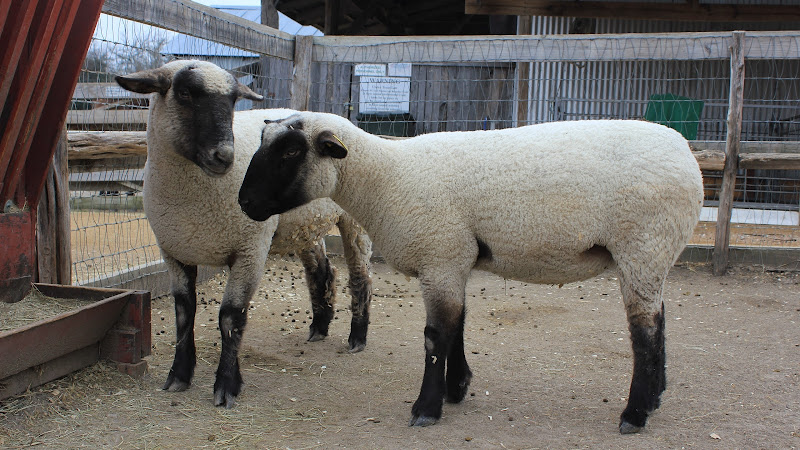
Visitors will find more than a well-preserved house; they will step into a working historic farm that interprets agricultural life on the Texas Blackland Prairie and the story of the families who shaped early North Texas. The museum’s focus on practical, everyday history—farming tools, a small herd of farm animals, outbuildings, and period rooms—gives an immediate, tactile sense of how people lived, worked, and played long before suburban sprawl changed the landscape.
Interpretation at the Heritage Farmstead balances curated exhibits inside the Farrell-Wilson farmhouse with hands-on experiences across the grounds. The farmhouse itself, a fine example of Victorian domestic architecture, is arranged to tell layered stories: the family’s social standing, technological changes of the late 19th and early 20th centuries, and how agricultural practices determined domestic rhythms. Outside, historically appropriate barns, a smokehouse, and garden plots recreate a working environment. Farm animals—typical back-of-the-lot residents such as chickens and goats—are part of the day-to-day interpretation, which reinforces lessons about food production, chores, and rural economies. It’s a small-scale, but coherent, historical ecosystem.
For the historically curious, the museum excels in making agricultural history readable. Exhibits provide context about the Blackland Prairie soil that made the region agriculturally productive and about how local families adapted to market pressures and technological shifts. The interpretive signage is generally clear; guided tours deepen the experience by linking objects and spaces to lived stories of the Farrell and Wilson families, whose names come up often in the site’s archival materials. The museum identifies as women-owned and community-centered, which shows in certain programming choices and in outreach strategies aimed at families and schools.
Planning-wise, the museum is practical. It charges admission and recommends getting tickets in advance—especially for guided tours or special events—so visitors rarely face long waits. The site offers onsite services and has a modest gift shop for local-history souvenirs and family-friendly mementos. Amenities include wheelchair accessible entrances, parking, and restrooms (with changing tables), plus Wi-Fi in public areas—good to know if someone needs to coordinate a meet-up or check event information. Parking is free and onsite, which is a convenience that gets overlooked on many museum pages but really matters when driving in from Dallas or elsewhere in Collin County.
The visitor experience can vary, depending on expectations. Many guests come expecting a grand historic mansion and are surprised—in a good way—by the museum’s emphasis on everyday life. Others arrive for seasonal events and festivals that feel more like community gatherings than formal museum programming. The site functions as a local event venue at times, hosting themed nights, holiday lights, and educational camps; these events often draw larger crowds and a livelier atmosphere than weekday visits. This can be great if someone seeks a social, active experience but a little noisy if one prefers quiet study of artifacts. The museum’s staff strive for friendly, informative interactions; the docent-led tours can feel like listening to a neighbor who knows the house stories inside out. The writer, who once tagged along on a school-group tour, remembers being charmed by a volunteer so enthusiastic he told a story about a stubborn mule that made the whole group laugh—the kind of detail that turns memory into connection.
There are practical quirks. Some interpretive spaces show the expected wear of a working historic site, and a few features feel more aimed at educational programs than at museum-goers seeking a tidy, polished display. That’s not necessarily a bad thing—honest wear communicates authenticity—but it’s worth noting. Accessibility is a real plus: ramps, accessible restrooms, and parking make the museum more welcoming to a wider audience. Families with small children will appreciate the changing tables and the tangible activities geared toward younger visitors; school groups and homeschool cooperatives are regular visitors for good reason.
Photography is generally welcomed across the grounds and inside many of the outbuildings, and the farmhouse’s period rooms provide photogenic backdrops without the formality of a historic house where every surface is off-limits. The writer should warn that the best photos require good light; mid-afternoon shadows can be dramatic but sometimes obscure interior details. A morning visit often yields softer, more even lighting for interior shots, and the grounds look especially vivid at that time.
For visitors who like to dig deeper, the museum sometimes offers archival displays or rotating exhibits that highlight particular themes—agricultural tools, clothing, household technologies—so repeat visits often reveal new layers. The museum’s programming calendar tends to include workshops and demonstrations that bring the material culture to life: butter churning, heirloom gardening, and sheep-shearing demonstrations at certain times of year. Those demonstrations are perfect for people who learn by doing, not just by reading placards.
Location-wise, the Heritage Farmstead sits within Plano, a city with expanding suburbs and a growing appetite for cultural experiences. This juxtaposition—antique farm life set against modern development—makes a visit feel like a brief, manageable step back in time rather than a long pilgrimage. The site’s size and layout make it suitable for half-day visits; families will often spend two to three hours exploring at a relaxed pace, catching a guided tour, and letting kids run around the grounds under supervision.
One subtle strength is the museum’s role as a community hub. Wedding parties, civic groups, and neighborhood events sometimes use its lawns and rooms, which keeps the place lively and connected to modern life even as it interprets the past. That does mean occasional closures or special-event traffic, so checking the schedule is wise. Special programming—like holiday light displays or summer camps—is popular and sells out; advance planning pays off.
In short, the Heritage Farmstead Museum is not a monument to elite history. It is an interpretive space where agricultural history, family narratives, and community programming intersect. It works best for visitors who appreciate a hands-on, human-scale approach to the past, who like storytellers with local knowledge, and who enjoy the unvarnished texture of historic places that still serve living purposes. There are trade-offs—some displays favor educational functionality over museum polish, and event days can be busy—but those are often the very features that make the site memorable.
Practical takeaways: the farmhouse and grounds illustrate North Texas farm life effectively; guided tours and demonstrations add layers of meaning; the site is family- and accessibility-friendly; advance ticket purchases and checking the events calendar are smart moves. The Heritage Farmstead Museum gives visitors a direct line to regional agricultural heritage and invites them to engage with history in ways that are sensory, social, and sometimes downright fun. And if the writer is permitted a small opinion: bring comfortable shoes and an appetite for plain-spoken stories—those volunteer guides can be unexpectedly entertaining and wise.
 Real Journey Travels