
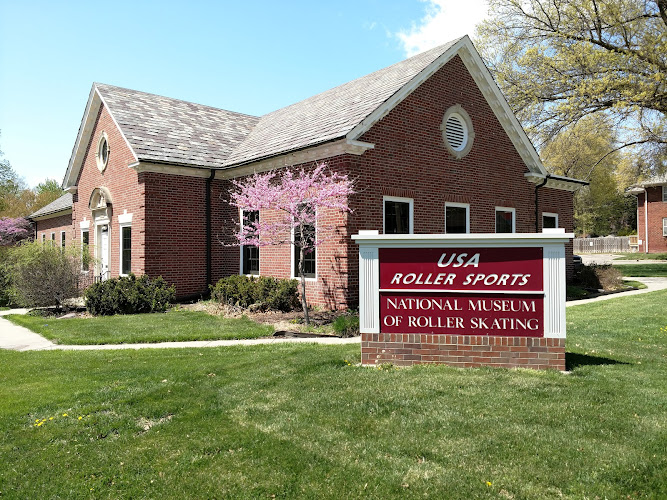
National Museum of Roller Skating
About National Museum of Roller Skating
Description
The National Museum of Roller Skating presents a focused, almost peculiar love letter to a sport that rolls through the pages of American recreation and competition. It houses the world's largest collection of historical roller skates, alongside costumes and memorabilia that trace roller skating from its earliest days to contemporary roller sports. The museum sits in Lincoln, Nebraska, and functions as both a specialist archive and a public exhibit space, so visitors see artifacts arranged with a collector's eye and a curator's respect for context.
This museum does not try to be sprawling; instead, it concentrates. That concentrates into a surprisingly rich narrative — the clack of old metal wheels, the shine of leather boots from the 19th century, the sequined outfits from mid-century rinks, and the raw, graffitied boards from modern roller derby teams. Displays include early boot-style skates, quad skates from the roller-rink boom, inline evolution pieces, speed and figure-related artifacts, and items tied to roller hockey. The result is a timeline of technology, fashion, and social pastime that few other museums attempt.
Practicality is part of the charm. The museum offers tours led by knowledgeable staff who often have personal ties to the skating world; it maintains a gift shop with unique finds (think restoration parts, reproduction badges, and quirky memorabilia), and it keeps accessibility front and center with wheelchair-friendly entrances, parking, and restrooms. On-site parking makes arrival easy for families and traveling groups. The mood is friendly, often a little breezy, and clearly run by people who love what they preserve.
Expect a mix of focused interpretation panels and object-rich display cases. Some exhibits examine the evolution of skate construction — from wood and metal frames to molded boots and modern wheels — while others spotlight cultural moments: roller-disco fashions, competitive skating and derby culture, and community rink life. There are occasional rotating exhibits and special displays that dig into donations, local skating legends, or particular eras in roller sports history.
To be frank — and the writer admits this because admitting things is fun — visiting feels like walking into someone's very well-curated attic that also happens to double as a national collection. There are treasures tucked into corners that reward slow explorers: a child's first pair of skates with a name scratched inside, an old rink poster promising a Saturday night showdown, or archival photos of teams huddling before a match. Those small pieces add human texture to the mechanical evolution of skates and wheels.
Key Features
- World's largest collection of historical roller skates spanning early boot skates to modern designs
- Extensive costumes and memorabilia, including roller-disco attire, derby gear, and promotional materials
- Curated displays on the evolution of skate technology: wheels, frames, bearings, and boot construction
- Special exhibits and rotating displays that highlight local skaters, competitions, and donated archives
- Guided tours available, delivered by staff steeped in roller sports history and restoration practices
- On-site parking and wheelchair-accessible entrance, parking lot, and restroom facilities
- Family-friendly museum layout and programming; good for kids and school groups
- Gift shop offering restoration parts, books, souvenirs, and unique skating memorabilia
- Quiet, compact footprint that makes it easy to cover in an hour or linger for two
- No onsite restaurant, but restrooms are available for visitor comfort
Best Time to Visit
The museum is well-suited to short, flexible visits, so timing depends on priorities. Weekdays during mid-morning or early afternoon are ideal for those who prefer calm, uninterrupted time with the exhibits — the galleries feel calmer then, making it easier to read labels and inspect finer details. Families and groups often gravitate toward weekends, which bring a livelier atmosphere and sometimes special programming, but that can also mean more crowds in the tight gallery spaces.
Seasonally, late spring through early fall tends to be busier in Lincoln overall, as tourists and regional visitors come to town. But because this museum has a manageable footprint, even peak season rarely feels overwhelming. If someone wants to pair the visit with another museum or a downtown stroll, an early weekday visit followed by lunch elsewhere makes for a pleasant half-day outing.
Special exhibits and anniversary displays pop up throughout the year, and the museum sometimes coordinates with regional roller sports events. Those windows are worth watching for visitors who want something extra: panels, guest speakers, or themed pop-ups that dig deeper into derby culture or skate restoration. The writer remembers catching a small exhibit on 1970s roller-disco ephemera one quiet Tuesday — unexpected and delightful, and it turned a simple visit into a time-travel afternoon.
How to Get There
Travelers heading to the National Museum of Roller Skating will find it accessible by car, local transit, or rideshare. On-site parking is available, which is particularly handy for families carrying strollers or for visitors picking up fragile souvenirs. Because the museum is inside an urban area of Lincoln, driving directions are straightforward and parking removes one common travel headache.
Public transit options in Lincoln can get visitors close, and a short walk may be involved depending on the route. The museum's entrance is wheelchair-friendly and the lot includes accessible parking stalls, so arriving visitors who require those accommodations will find the logistics straightforward. For out-of-town guests arriving by air, the city is compact enough that rental cars or rideshares are common ways to reach the museum from regional airports.
Practical tip: because there is no onsite restaurant, planning a nearby lunch or snack stop is wise. A quick snack after a museum stroll gives the brain — and legs — a rest before heading to other Lincoln attractions. Also, if someone is mapping a day of museums, pair this stop with other cultural sites in town for an efficient itinerary.
Tips for Visiting
Plan for about 45 minutes to 90 minutes. The museum satisfies both quick curiosity and slow exploration; an hour is a solid average. And if the visitor is a true skate history nerd — or a photographer — allocating extra time will pay off.
Guided tours add depth. The staff-run tours are where the collection's stories come alive, especially anecdotes about donors and restoration projects. Those tours sometimes include behind-the-scenes mentions of how certain skates were repaired or how a costume was stabilized for display. If a visit coincides with a guided tour, the experience becomes richer.
Accessibility is well-handled but worth noting: entrances, parking, and restrooms are wheelchair accessible. Visitors with mobility needs should still call ahead if desired, as staff can confirm the best times to arrive or discuss any particular access questions. The museum offers onsite services and is accustomed to accommodating groups with diverse needs.
Bring kids. The museum is a family-friendly spot and rather forgiving of shorter attention spans. Interactive moments — like reading colorful posters, spotting different wheel types, or guessing the era of a costume — help make history tangible for young visitors. That said, because some displays are glass cases with fragile artifacts, families should plan to keep little hands at bay.
Expect modest facilities. There is a gift shop and restrooms, but no restaurant. Anyone planning to linger should think about food options nearby or bring a snack. Also, photography is generally allowed for personal use, but museum policy may restrict flash or tripod use; visitors should ask staff if unsure.
Watch for rotating exhibits and events. The museum occasionally hosts themed displays and community events tied to roller sports competitions or histories. If a traveler has a specific interest — say, roller derby or skate restoration — a quick check of event calendars (or a phone call) before the trip can reveal programming that aligns with those interests.
Expect small quirks. The writer will confess: small museums sometimes have idiosyncratic hours or staffing patterns. If someone is coming from out of town, it is a good idea to verify opening times the day of the visit. Also, because the collection depends in part on donations and loans, displays can change; that keeps repeat visits interesting, but it also means a favorite object might be in storage on any given day.
Finally, take a little time to read labels. This museum's power lies in the stories of how ordinary objects became part of life: a skate used in a local rink championship, a costume made by a parent for a child's recital, or an inventor's prototype wheel that changed speed skating. Those narratives are the connective tissue that turn hardware into human history.
In short: the National Museum of Roller Skating offers a tightly curated, delightfully detailed look into the machines and memories of roller sports. It rewards curiosity, gives good value for a short visit, and serves as an unexpected highlight for travelers who enjoy history told through objects, community stories, and the odd sparkle of sequined nostalgia. The place feels like a specialist's secret shared openly — and that, for many visitors, is the best kind of discovery.
Key Features
- Extensive historical skate collection dating back to early 1800s
- Costumes and memorabilia from roller disco, figure, and derby eras
- Photographs, films, and archival materials documenting skating culture
- Exhibits on technological evolution and patent drawings of skates
- Located in the former Roller Skating Association headquarters building
More Details
Updated August 29, 2025
Table of Contents
Description
The National Museum of Roller Skating presents a focused, almost peculiar love letter to a sport that rolls through the pages of American recreation and competition. It houses the world’s largest collection of historical roller skates, alongside costumes and memorabilia that trace roller skating from its earliest days to contemporary roller sports. The museum sits in Lincoln, Nebraska, and functions as both a specialist archive and a public exhibit space, so visitors see artifacts arranged with a collector’s eye and a curator’s respect for context.
This museum does not try to be sprawling; instead, it concentrates. That concentrates into a surprisingly rich narrative — the clack of old metal wheels, the shine of leather boots from the 19th century, the sequined outfits from mid-century rinks, and the raw, graffitied boards from modern roller derby teams. Displays include early boot-style skates, quad skates from the roller-rink boom, inline evolution pieces, speed and figure-related artifacts, and items tied to roller hockey. The result is a timeline of technology, fashion, and social pastime that few other museums attempt.
Practicality is part of the charm. The museum offers tours led by knowledgeable staff who often have personal ties to the skating world; it maintains a gift shop with unique finds (think restoration parts, reproduction badges, and quirky memorabilia), and it keeps accessibility front and center with wheelchair-friendly entrances, parking, and restrooms. On-site parking makes arrival easy for families and traveling groups. The mood is friendly, often a little breezy, and clearly run by people who love what they preserve.
Expect a mix of focused interpretation panels and object-rich display cases. Some exhibits examine the evolution of skate construction — from wood and metal frames to molded boots and modern wheels — while others spotlight cultural moments: roller-disco fashions, competitive skating and derby culture, and community rink life. There are occasional rotating exhibits and special displays that dig into donations, local skating legends, or particular eras in roller sports history.
To be frank — and the writer admits this because admitting things is fun — visiting feels like walking into someone’s very well-curated attic that also happens to double as a national collection. There are treasures tucked into corners that reward slow explorers: a child’s first pair of skates with a name scratched inside, an old rink poster promising a Saturday night showdown, or archival photos of teams huddling before a match. Those small pieces add human texture to the mechanical evolution of skates and wheels.
Key Features
- World’s largest collection of historical roller skates spanning early boot skates to modern designs
- Extensive costumes and memorabilia, including roller-disco attire, derby gear, and promotional materials
- Curated displays on the evolution of skate technology: wheels, frames, bearings, and boot construction
- Special exhibits and rotating displays that highlight local skaters, competitions, and donated archives
- Guided tours available, delivered by staff steeped in roller sports history and restoration practices
- On-site parking and wheelchair-accessible entrance, parking lot, and restroom facilities
- Family-friendly museum layout and programming; good for kids and school groups
- Gift shop offering restoration parts, books, souvenirs, and unique skating memorabilia
- Quiet, compact footprint that makes it easy to cover in an hour or linger for two
- No onsite restaurant, but restrooms are available for visitor comfort
Best Time to Visit
The museum is well-suited to short, flexible visits, so timing depends on priorities. Weekdays during mid-morning or early afternoon are ideal for those who prefer calm, uninterrupted time with the exhibits — the galleries feel calmer then, making it easier to read labels and inspect finer details. Families and groups often gravitate toward weekends, which bring a livelier atmosphere and sometimes special programming, but that can also mean more crowds in the tight gallery spaces.
Seasonally, late spring through early fall tends to be busier in Lincoln overall, as tourists and regional visitors come to town. But because this museum has a manageable footprint, even peak season rarely feels overwhelming. If someone wants to pair the visit with another museum or a downtown stroll, an early weekday visit followed by lunch elsewhere makes for a pleasant half-day outing.
Special exhibits and anniversary displays pop up throughout the year, and the museum sometimes coordinates with regional roller sports events. Those windows are worth watching for visitors who want something extra: panels, guest speakers, or themed pop-ups that dig deeper into derby culture or skate restoration. The writer remembers catching a small exhibit on 1970s roller-disco ephemera one quiet Tuesday — unexpected and delightful, and it turned a simple visit into a time-travel afternoon.
How to Get There
Travelers heading to the National Museum of Roller Skating will find it accessible by car, local transit, or rideshare. On-site parking is available, which is particularly handy for families carrying strollers or for visitors picking up fragile souvenirs. Because the museum is inside an urban area of Lincoln, driving directions are straightforward and parking removes one common travel headache.
Public transit options in Lincoln can get visitors close, and a short walk may be involved depending on the route. The museum’s entrance is wheelchair-friendly and the lot includes accessible parking stalls, so arriving visitors who require those accommodations will find the logistics straightforward. For out-of-town guests arriving by air, the city is compact enough that rental cars or rideshares are common ways to reach the museum from regional airports.
Practical tip: because there is no onsite restaurant, planning a nearby lunch or snack stop is wise. A quick snack after a museum stroll gives the brain — and legs — a rest before heading to other Lincoln attractions. Also, if someone is mapping a day of museums, pair this stop with other cultural sites in town for an efficient itinerary.
Tips for Visiting
Plan for about 45 minutes to 90 minutes. The museum satisfies both quick curiosity and slow exploration; an hour is a solid average. And if the visitor is a true skate history nerd — or a photographer — allocating extra time will pay off.
Guided tours add depth. The staff-run tours are where the collection’s stories come alive, especially anecdotes about donors and restoration projects. Those tours sometimes include behind-the-scenes mentions of how certain skates were repaired or how a costume was stabilized for display. If a visit coincides with a guided tour, the experience becomes richer.
Accessibility is well-handled but worth noting: entrances, parking, and restrooms are wheelchair accessible. Visitors with mobility needs should still call ahead if desired, as staff can confirm the best times to arrive or discuss any particular access questions. The museum offers onsite services and is accustomed to accommodating groups with diverse needs.
Bring kids. The museum is a family-friendly spot and rather forgiving of shorter attention spans. Interactive moments — like reading colorful posters, spotting different wheel types, or guessing the era of a costume — help make history tangible for young visitors. That said, because some displays are glass cases with fragile artifacts, families should plan to keep little hands at bay.
Expect modest facilities. There is a gift shop and restrooms, but no restaurant. Anyone planning to linger should think about food options nearby or bring a snack. Also, photography is generally allowed for personal use, but museum policy may restrict flash or tripod use; visitors should ask staff if unsure.
Watch for rotating exhibits and events. The museum occasionally hosts themed displays and community events tied to roller sports competitions or histories. If a traveler has a specific interest — say, roller derby or skate restoration — a quick check of event calendars (or a phone call) before the trip can reveal programming that aligns with those interests.
Expect small quirks. The writer will confess: small museums sometimes have idiosyncratic hours or staffing patterns. If someone is coming from out of town, it is a good idea to verify opening times the day of the visit. Also, because the collection depends in part on donations and loans, displays can change; that keeps repeat visits interesting, but it also means a favorite object might be in storage on any given day.
Finally, take a little time to read labels. This museum’s power lies in the stories of how ordinary objects became part of life: a skate used in a local rink championship, a costume made by a parent for a child’s recital, or an inventor’s prototype wheel that changed speed skating. Those narratives are the connective tissue that turn hardware into human history.
In short: the National Museum of Roller Skating offers a tightly curated, delightfully detailed look into the machines and memories of roller sports. It rewards curiosity, gives good value for a short visit, and serves as an unexpected highlight for travelers who enjoy history told through objects, community stories, and the odd sparkle of sequined nostalgia. The place feels like a specialist’s secret shared openly — and that, for many visitors, is the best kind of discovery.
Key Highlights
- Extensive historical skate collection dating back to early 1800s
- Costumes and memorabilia from roller disco, figure, and derby eras
- Photographs, films, and archival materials documenting skating culture
- Exhibits on technological evolution and patent drawings of skates
- Located in the former Roller Skating Association headquarters building
Location
Places to Stay Near National Museum of Roller Skating
Find and Book a Tour
Explore More Travel Guides
No reviews found! Be the first to review!
Traveler Reviews for National Museum of Roller Skating
There are no reviews yet. Be the first one to write one.
Have you visited National Museum of Roller Skating? Help other travelers by sharing your review.
Nearby Attractions
You Might Also Like
Mahoney Park
deCordova Sculpture Park and Museum
Historic New England
Find Accommodations Nearby
Recommended Tours & Activities
Visitor Reviews
There are no reviews yet. Be the first one to write one.
Share Your Experience
Have you visited National Museum of Roller Skating? Help other travelers by leaving a review.