
Sheldon Museum of Art
About Sheldon Museum of Art
Description
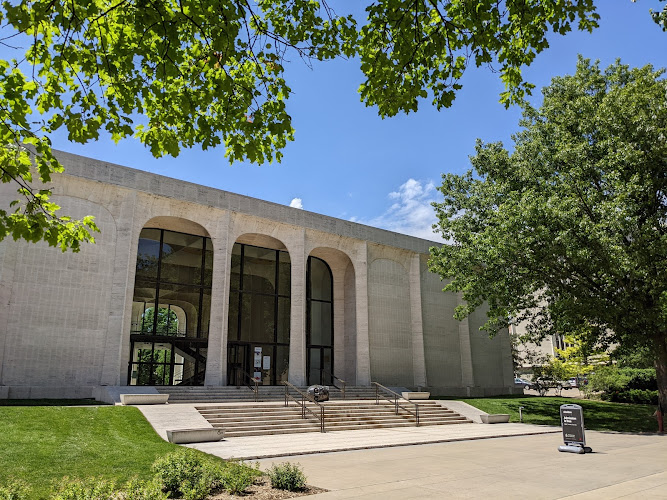
The Sheldon Museum of Art sits on the University of Nebraska–Lincoln campus as an anchor for American art, and it has quietly earned a reputation that often surprises visitors who expected only a small campus gallery. The museum's permanent collection stretches across the 19th, 20th and 21st centuries, with strong holdings in 1800s landscapes, American impressionism, modernism and pop art. But what really lingers in people's heads after a visit is the way the galleries and the outdoor sculpture garden talk to one another — the inside pieces set a mood, and the sculpture garden answers it with open sky and scale. It’s the kind of place that rewards a slow stroll; you can stop in front of a painting and actually hear your own thoughts, which, come on, is rare in this busy world.
Architecturally the Sheldon is clean and intentional. The building frames the collection without ever shouting; galleries are well-lit and laid out so the flow feels natural instead of forced. Many visitors appreciate that the museum is part of a campus, because the grounds and the neighboring academic buildings give context — this is a living institution, not a glass box disconnected from study and conversation. Inside, explanatory labels are readable and useful, and docents and staff are generally friendly and knowledgable. They offer tours that bring the stories behind the artworks to life, especially when it comes to American movements that shaped the country’s visual language.
Sheldon’s collection does something worth noting: it balances the comfort of familiar landscapes and portraits with the occasional jolt of pop art and contemporary work. So one gallery might present a sweeping prairie painting from the 1800s, lush with light and detail, and the next might feature a bold, graphic piece that flips expectations. For travelers who think Nebraska is only cornfields and warm Midwestern hospitality (which it is, to be fair), the museum quietly shows another side of the state — its engagement with national artistic movements and its role in preserving American visual history.
Accessibility matters here. The museum provides wheelchair-accessible entrances, parking, and restrooms, and the layout is straightforward for visitors with mobility needs. Onsite services include guided tours and visitor information; there’s Wi‑Fi inside for those who want to look up an artist or take notes, and clean restrooms so you won’t be hunting around the campus like a confused tourist. There isn’t a restaurant on site, so plan accordingly — bring a snack or take advantage of campus cafés nearby if hunger hits after a long gallery session.
The sculpture garden is a highlight that deserves its own mention. It’s not just a collection of standalone pieces; it’s a curated outdoor experience that changes with the light, weather and seasons. In summer the sculptures can be almost theatrical against a bright Nebraska sky; in winter, with a dusting of snow, they take on a quiet monumentality that’s surprisingly moving. Families and kids, in particular, often find the garden to be a freeing part of the visit — there’s room to move, and the scale of many works invites curiosity rather than mere observation.
Visitors often comment on how family-friendly the Sheldon is. Programs and signage tend to be accessible to children, and staffers are used to questions from younger guests. The museum manages the delicate balance of protecting art while making it approachable, which is not easy. So yes, bring the kids — they’ll probably love inventing stories about sculptures, and you might discover that looking at art together sparks better conversation than another movie night.
One thing that’s not always obvious from a quick search: the Sheldon functions as both guardian of a strong permanent collection and a platform for rotating exhibitions. That means repeat visits can feel fresh, because the museum regularly hosts temporary shows that highlight contemporary practices or thematic groupings of American art. For travelers on a tight itinerary, it’s worth checking the current exhibition schedule at the museum once they arrive in Lincoln, or when they check in at their hotel — but again, there’s no need to over-plan; part of the Sheldon’s charm is its unhurried pace.
For the historically inclined, the museum offers a neat education in how American art evolved from naturalistic landscapes to abstraction and pop. For the casual traveler, it’s simply a calming, thought-provoking stop on a campus walk. A frequent visitor once described an afternoon at Sheldon as the perfect antidote to a road-trip of chain restaurants and endless highways — sound familiar? That said, the experience isn’t flawless. A handful of guests note that certain exhibits feel crowded during peak campus events, and some would like longer weekend hours. But overall, the museum tends to leave people pleasantly surprised rather than underwhelmed.
In short, the Sheldon Museum of Art is a must-consider stop in Lincoln for anyone who appreciates American art or who wants an easy, accessible cultural experience on a college campus. It’s approachable, quietly curated, and offers a balance of historical depth and contemporary relevance. Whether someone is fascinated by 1800s prairie scenes, wants to see a bright pop-art icon up close, or simply craves a peaceful sculpture stroll, the Sheldon provides that without pretension. Also — bring comfortable shoes and a little curiosity; you’ll want both.
Key Features
More Details
Updated August 29, 2025
Table of Contents
Description
The Sheldon Museum of Art sits on the University of Nebraska–Lincoln campus as an anchor for American art, and it has quietly earned a reputation that often surprises visitors who expected only a small campus gallery. The museum’s permanent collection stretches across the 19th, 20th and 21st centuries, with strong holdings in 1800s landscapes, American impressionism, modernism and pop art. But what really lingers in people’s heads after a visit is the way the galleries and the outdoor sculpture garden talk to one another — the inside pieces set a mood, and the sculpture garden answers it with open sky and scale. It’s the kind of place that rewards a slow stroll; you can stop in front of a painting and actually hear your own thoughts, which, come on, is rare in this busy world.
Architecturally the Sheldon is clean and intentional. The building frames the collection without ever shouting; galleries are well-lit and laid out so the flow feels natural instead of forced. Many visitors appreciate that the museum is part of a campus, because the grounds and the neighboring academic buildings give context — this is a living institution, not a glass box disconnected from study and conversation. Inside, explanatory labels are readable and useful, and docents and staff are generally friendly and knowledgable. They offer tours that bring the stories behind the artworks to life, especially when it comes to American movements that shaped the country’s visual language.
Sheldon’s collection does something worth noting: it balances the comfort of familiar landscapes and portraits with the occasional jolt of pop art and contemporary work. So one gallery might present a sweeping prairie painting from the 1800s, lush with light and detail, and the next might feature a bold, graphic piece that flips expectations. For travelers who think Nebraska is only cornfields and warm Midwestern hospitality (which it is, to be fair), the museum quietly shows another side of the state — its engagement with national artistic movements and its role in preserving American visual history.
Accessibility matters here. The museum provides wheelchair-accessible entrances, parking, and restrooms, and the layout is straightforward for visitors with mobility needs. Onsite services include guided tours and visitor information; there’s Wi‑Fi inside for those who want to look up an artist or take notes, and clean restrooms so you won’t be hunting around the campus like a confused tourist. There isn’t a restaurant on site, so plan accordingly — bring a snack or take advantage of campus cafés nearby if hunger hits after a long gallery session.
The sculpture garden is a highlight that deserves its own mention. It’s not just a collection of standalone pieces; it’s a curated outdoor experience that changes with the light, weather and seasons. In summer the sculptures can be almost theatrical against a bright Nebraska sky; in winter, with a dusting of snow, they take on a quiet monumentality that’s surprisingly moving. Families and kids, in particular, often find the garden to be a freeing part of the visit — there’s room to move, and the scale of many works invites curiosity rather than mere observation.
Visitors often comment on how family-friendly the Sheldon is. Programs and signage tend to be accessible to children, and staffers are used to questions from younger guests. The museum manages the delicate balance of protecting art while making it approachable, which is not easy. So yes, bring the kids — they’ll probably love inventing stories about sculptures, and you might discover that looking at art together sparks better conversation than another movie night.
One thing that’s not always obvious from a quick search: the Sheldon functions as both guardian of a strong permanent collection and a platform for rotating exhibitions. That means repeat visits can feel fresh, because the museum regularly hosts temporary shows that highlight contemporary practices or thematic groupings of American art. For travelers on a tight itinerary, it’s worth checking the current exhibition schedule at the museum once they arrive in Lincoln, or when they check in at their hotel — but again, there’s no need to over-plan; part of the Sheldon’s charm is its unhurried pace.
For the historically inclined, the museum offers a neat education in how American art evolved from naturalistic landscapes to abstraction and pop. For the casual traveler, it’s simply a calming, thought-provoking stop on a campus walk. A frequent visitor once described an afternoon at Sheldon as the perfect antidote to a road-trip of chain restaurants and endless highways — sound familiar? That said, the experience isn’t flawless. A handful of guests note that certain exhibits feel crowded during peak campus events, and some would like longer weekend hours. But overall, the museum tends to leave people pleasantly surprised rather than underwhelmed.
In short, the Sheldon Museum of Art is a must-consider stop in Lincoln for anyone who appreciates American art or who wants an easy, accessible cultural experience on a college campus. It’s approachable, quietly curated, and offers a balance of historical depth and contemporary relevance. Whether someone is fascinated by 1800s prairie scenes, wants to see a bright pop-art icon up close, or simply craves a peaceful sculpture stroll, the Sheldon provides that without pretension. Also — bring comfortable shoes and a little curiosity; you’ll want both.
Key Highlights
Sheldon Museum of Art
Location
Places to Stay Near Sheldon Museum of Art
Find and Book a Tour
Explore More Travel Guides
No reviews found! Be the first to review!
Traveler Reviews for Sheldon Museum of Art
There are no reviews yet. Be the first one to write one.
Have you visited Sheldon Museum of Art? Help other travelers by sharing your review.
You Might Also Like
Mahoney Park

Trago Park
Hyde Observatory at Holmes Park
Find Accommodations Nearby
Recommended Tours & Activities
Visitor Reviews
There are no reviews yet. Be the first one to write one.
Share Your Experience
Have you visited Sheldon Museum of Art? Help other travelers by leaving a review.