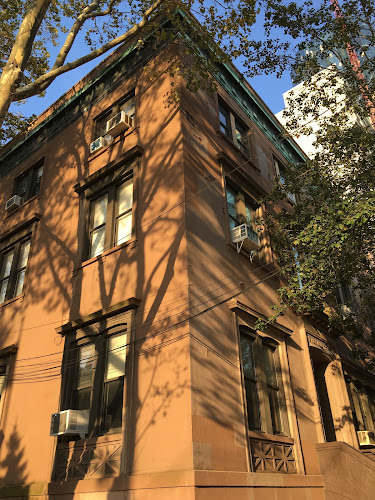
Housed in a modest building that rewards slow looking, the museum specializes in contemporary Russian art while also presenting historical strands such as Soviet nonconformist work. It balances rotating exhibitions with community-oriented educational events, and it stages live performances that bring visual art into a broader, multi-sensory experience. Visitors often discover that a single visit can feel like both a gallery walk and a mini-lecture — in the best possible way.
Curators at MORA tend to favor quality over quantity. The collection and temporary shows are curated to highlight artistic ideas and cultural dialogues rather than to overwhelm with sheer volume. That means paintings, prints, sculptures and mixed-media pieces are chosen to create conversations across eras: contemporary Russian painters sit near objects that reference Soviet-era constraints; younger artists respond to historical themes with fresh techniques. For anyone interested in the trajectory of Russian art outside mainstream Western narratives, this museum offers concentrated insight. And yes, it has the occasional show that surprises even art veterans, mixing performance art with installations and experimental sound pieces.
Community engagement is a clear focus. The museum programs exhibitions alongside educational workshops and panel talks, which appeal to both specialists and casual visitors. Families with children will find kid-friendly activities on certain weekends, and the atmosphere generally skews welcoming rather than intimidating. Local artists and cultural organizations sometimes use the space for collaborative projects, which keeps the calendar lively and makes repeat visits worthwhile. A recurring benefit is the rotating nature of the exhibits; return visits frequently reveal new perspectives, new artists, and new ways of seeing familiar themes.
Practical realities are acknowledged openly here. The museum provides restroom facilities and complimentary Wi-Fi for guests, but it does not include an on-site restaurant. Accessibility is mixed: there is a wheelchair accessible restroom, which is great and not always guaranteed in smaller institutions; however, entrance access and parking are limited for wheelchair users. Staff typically try to accommodate requests and can suggest transit options or alternative entrances when possible, yet visitors with mobility concerns should check specifics before planning a visit. Crowds can vary — weekend afternoons may feel buzzy, while weekday mornings tend to be calmer and better for detailed viewing and photography.
People who have spent time at MORA often highlight the museum’s intimacy. The small scale fosters conversations with docents or even with artists during openings, and that close-up experience is sometimes what longtime visitors miss about larger institutions. One frequent attendee recalled an evening when a live musical performance transformed a gallery room into an improvised theater; the memory of that night kept them coming back. Anecdotes like that underline how the museum functions as both a repository of art and an active cultural center.
Critiques sometimes surface, mostly centered on the facility limits that come with a compact institution. Staff turnover, budget constraints and occasional spatial tightness can affect the tempo of programming. Still, many find those trade-offs acceptable because the museum consistently presents thoughtful, sometimes challenging exhibitions that spotlight Russian and international dialogues in art. Visitors with a particular interest in Soviet nonconformist pieces or contemporary Russian painters will likely find rare and meaningful works here that are not often displayed elsewhere in the region.
From a travel planning standpoint, the museum fits well into a broader Jersey City and lower Manhattan itinerary. It offers a concentrated cultural stop that complements larger, more famous art institutions across the river. For photographers and students of art history, MORA can be a surprisingly rich resource: visual themes repeat and evolve through exhibitions, and the educational events create chances to deepen understanding. Staff members are generally knowledgeable and approachable, and they often point visitors toward specific highlights or upcoming shows worth booking in advance.
In short, the MORA Museum of International Art is a compact but purposeful institution that champions Russian artistic voices while engaging local communities through performances and learning programs. It does not pretend to be a blockbuster space; rather, it invites close attention, conversation and return visits. For travelers who appreciate concentrated collections, cross-cultural exhibitions and a more personal museum experience, MORA is a distinctive stop in Jersey City that rewards curiosity and a willingness to linger.
 Real Journey Travels