
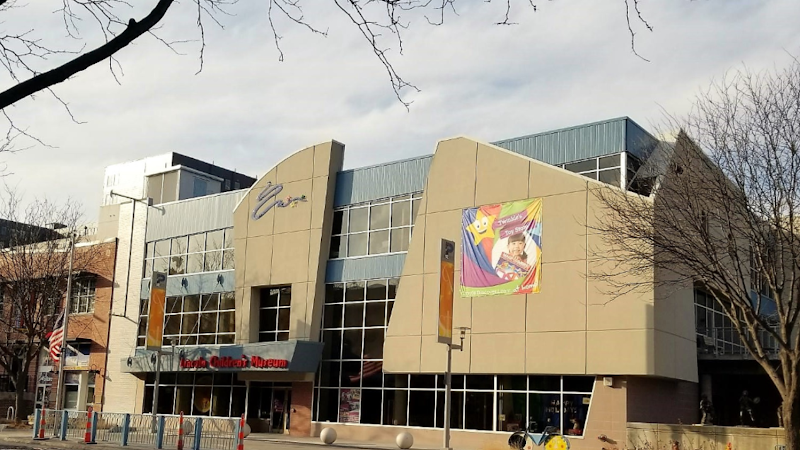
Lincoln Children’s Museum
About Lincoln Children’s Museum
Description
The Lincoln Children's Museum sits in the heart of Lincoln and presents three levels of hands-on learning designed to get young minds moving. It is a place where tactile play meets thoughtful design: interactive exhibits encourage experimentation, collaborative play areas invite storytelling, and short programs or day camps give structure for deeper learning. The museum's focus is on playful education — teaching concepts like simple machines, art exploration, and early STEM through touch, trial-and-error, and sensory discovery. Exhibits change periodically, so frequent visitors often find something new to spark curiosity.
Travelers will appreciate that the museum doubles as a community hub. It hosts birthday party packages and onsite events, and a compact theater offers short performances and story times that rotate through the week. There is also a small gift shop for keepsakes and a cafe area where caretakers can refuel while kids take a break. Practical amenities include gender-neutral restrooms, fully accessible entrances and restrooms, and a layout that generally accommodates strollers and wheelchairs. For families planning a stop while exploring downtown Lincoln, it pairs well with short walking routes to nearby cultural spots and parks.
Although the museum's energy mostly skews toward younger children, from toddlers to early elementary ages, thoughtful exhibit design often stretches into wider age ranges — older siblings enjoy building zones, imaginative grocery or town play areas, and science displays that invite deeper questions. The museum operates with an admission fee and occasionally runs promotions or membership options which make repeat visits more economical. Overall, it aims to balance open-ended play with guided learning. Visitors who want hands-on, three-level experiences in Lincoln will find this museum a dependable pick for half-day visits, birthday celebrations, or as a rainy-day plan.
Key Features
- Three floors of interactive, hands-on exhibits focused on early learning and play
- Regular educational activities and rotating exhibits that keep repeat visits fresh
- Day camps and short program sessions during school holidays and summer
- Birthday party service with private or semi-private party rooms and event staff
- Theater space for story times, performances, and scheduled demonstrations
- Onsite cafe area offering light snacks and seating for caregivers
- Gift shop selling educational toys, books, and museum-branded items
- Wheelchair accessible entrance, restrooms, and parking accommodations
- Paid parking options nearby, including a parking garage and metered street parking
- Family-oriented facilities such as changing tables and stroller-friendly routes
Best Time to Visit
The Lincoln Children's Museum usually experiences its busiest periods on weekends, school holidays, and weekday afternoons when local families visit after school. For travelers who prefer a calmer experience, weekday mornings right after opening are typically quieter. Visiting in the first hour of the day often allows children to explore popular interactive stations with less waiting and more freedom to linger. Late afternoons, especially on Saturdays, tend to be the liveliest time — so expect a full house, energetic kids, and a lively soundtrack of happy chaos.
Seasonally, summer can mean more day-camp groups and higher traffic, while shoulder seasons like early fall and late spring sometimes offer a mix of locals and out-of-town visitors without overwhelming crowds. If a visitor hopes to see a specific program or theater event, checking the museum's schedule and planning around showtimes can be a smart move. Parents traveling with toddlers may prefer weekday mornings when the vibe leans calmer and staff-run activities are often aimed at the littlest learners.
How to Get There
The museum is located within Lincoln's central area, making it accessible to travelers staying downtown or exploring the city. Driving is straightforward for most visitors; downtown parking includes both a nearby paid parking garage and metered street parking. Travelers should allow extra time to find a spot during peak hours or events. For those relying on rideshare or taxis, drop-off points near the main entrance make unloading children and gear easier.
Public transit links the museum to broader Lincoln neighborhoods, and many buses stop within a short walking distance. Walking from nearby downtown hotels, restaurants, or cultural attractions is common — the route is typically flat and stroller-friendly. Accessibility is a priority: the entrance is wheelchair accessible and the museum offers accessible restrooms, making it feasible for visitors with mobility needs to navigate the three levels. Families who plan to combine a museum visit with other nearby sights should think through the parking situation if they plan to move between locations the same day; sometimes parking once and walking a loop is less stressful than moving a car multiple times.
Tips for Visiting
- Buy tickets or check the daily visitor information in advance to confirm hours and any special events. Popular times can fill up, and planning ahead reduces surprises.
- Arrive early if seeking a quieter experience and the chance to use popular exhibits without lines. Early mornings are golden for younger kids and for caregivers who prefer a gentler tempo.
- Expect some exhibits to be messy or wet — pack a spare shirt and socks for little ones. A change of clothes saved one local parent's day when an enthusiastic water-table experiment turned into a full-on splash session.
- Bring or rent a small backpack with essentials: wipes, snacks, a refillable water bottle, and any comfort items. While there is a cafe, it can be busy; having a snack on hand helps bridge gaps between scheduled snacks or meals.
- Check the schedule for theater times or special programming. Those short performances are a great way to shift gears if a child needs a break from active play.
- If celebrating a birthday, inquire about party packages early. Party slots are popular and often book well in advance, especially on weekend afternoons.
- Strollers are allowed, but some areas are tight. Folding a stroller and using the provided stroller parking areas can make moving between floors easier.
- Use the accessible entrance if mobility needs exist; staff are generally helpful and accustomed to supporting families with varying accessibility requirements.
- Plan for parking: paid parking garages and street meters are common. If staying in nearby lodging, ask whether the hotel offers validated parking or recommendations for free parking windows.
- Keep an eye on younger children in high-traffic zones — the building's multi-level layout is great for exploration but parents should know where exits and bathrooms are located. Note where the gift shop and coat areas are, so departing is less frantic.
- Memberships can be a good investment for families visiting multiple times across a year; they often include discounts on camps or special programs.
- For travelers with limited time, prioritize exhibits that match a child's interests — building zones for future engineers, water tables for sensory play, and art stations for little makers. This makes a shorter visit feel focused and richly rewarding.
- Respect exhibit rules for safety and sanitation. Workshops and staff-led activities may have age limits or require pre-registration.
All in all, the Lincoln Children's Museum is a practical, well-equipped stop for families and traveling caregivers looking to blend education and play. It offers a reliable downtown option when weather turns on a trip, and its onsite services — from day camps to birthday parties — make it a genuine community resource as much as a tourist-friendly attraction. Travelers who plan a visit with the tips above in mind usually find the experience smooth, memorable, and kid-approved.
Key Features
- Three floors of interactive, hands-on exhibits focused on early learning and play
- Regular educational activities and rotating exhibits that keep repeat visits fresh
- Day camps and short program sessions during school holidays and summer
- Birthday party service with private or semi-private party rooms and event staff
- Theater space for story times, performances, and scheduled demonstrations
- Onsite cafe area offering light snacks and seating for caregivers
- Gift shop selling educational toys, books, and museum-branded items
- Wheelchair accessible entrance, restrooms, and parking accommodations
More Details
Updated August 29, 2025
Table of Contents
Description
The Lincoln Children’s Museum sits in the heart of Lincoln and presents three levels of hands-on learning designed to get young minds moving. It is a place where tactile play meets thoughtful design: interactive exhibits encourage experimentation, collaborative play areas invite storytelling, and short programs or day camps give structure for deeper learning. The museum’s focus is on playful education — teaching concepts like simple machines, art exploration, and early STEM through touch, trial-and-error, and sensory discovery. Exhibits change periodically, so frequent visitors often find something new to spark curiosity.
Travelers will appreciate that the museum doubles as a community hub. It hosts birthday party packages and onsite events, and a compact theater offers short performances and story times that rotate through the week. There is also a small gift shop for keepsakes and a cafe area where caretakers can refuel while kids take a break. Practical amenities include gender-neutral restrooms, fully accessible entrances and restrooms, and a layout that generally accommodates strollers and wheelchairs. For families planning a stop while exploring downtown Lincoln, it pairs well with short walking routes to nearby cultural spots and parks.
Although the museum’s energy mostly skews toward younger children, from toddlers to early elementary ages, thoughtful exhibit design often stretches into wider age ranges — older siblings enjoy building zones, imaginative grocery or town play areas, and science displays that invite deeper questions. The museum operates with an admission fee and occasionally runs promotions or membership options which make repeat visits more economical. Overall, it aims to balance open-ended play with guided learning. Visitors who want hands-on, three-level experiences in Lincoln will find this museum a dependable pick for half-day visits, birthday celebrations, or as a rainy-day plan.
Key Features
- Three floors of interactive, hands-on exhibits focused on early learning and play
- Regular educational activities and rotating exhibits that keep repeat visits fresh
- Day camps and short program sessions during school holidays and summer
- Birthday party service with private or semi-private party rooms and event staff
- Theater space for story times, performances, and scheduled demonstrations
- Onsite cafe area offering light snacks and seating for caregivers
- Gift shop selling educational toys, books, and museum-branded items
- Wheelchair accessible entrance, restrooms, and parking accommodations
- Paid parking options nearby, including a parking garage and metered street parking
- Family-oriented facilities such as changing tables and stroller-friendly routes
Best Time to Visit
The Lincoln Children’s Museum usually experiences its busiest periods on weekends, school holidays, and weekday afternoons when local families visit after school. For travelers who prefer a calmer experience, weekday mornings right after opening are typically quieter. Visiting in the first hour of the day often allows children to explore popular interactive stations with less waiting and more freedom to linger. Late afternoons, especially on Saturdays, tend to be the liveliest time — so expect a full house, energetic kids, and a lively soundtrack of happy chaos.
Seasonally, summer can mean more day-camp groups and higher traffic, while shoulder seasons like early fall and late spring sometimes offer a mix of locals and out-of-town visitors without overwhelming crowds. If a visitor hopes to see a specific program or theater event, checking the museum’s schedule and planning around showtimes can be a smart move. Parents traveling with toddlers may prefer weekday mornings when the vibe leans calmer and staff-run activities are often aimed at the littlest learners.
How to Get There
The museum is located within Lincoln’s central area, making it accessible to travelers staying downtown or exploring the city. Driving is straightforward for most visitors; downtown parking includes both a nearby paid parking garage and metered street parking. Travelers should allow extra time to find a spot during peak hours or events. For those relying on rideshare or taxis, drop-off points near the main entrance make unloading children and gear easier.
Public transit links the museum to broader Lincoln neighborhoods, and many buses stop within a short walking distance. Walking from nearby downtown hotels, restaurants, or cultural attractions is common — the route is typically flat and stroller-friendly. Accessibility is a priority: the entrance is wheelchair accessible and the museum offers accessible restrooms, making it feasible for visitors with mobility needs to navigate the three levels. Families who plan to combine a museum visit with other nearby sights should think through the parking situation if they plan to move between locations the same day; sometimes parking once and walking a loop is less stressful than moving a car multiple times.
Tips for Visiting
- Buy tickets or check the daily visitor information in advance to confirm hours and any special events. Popular times can fill up, and planning ahead reduces surprises.
- Arrive early if seeking a quieter experience and the chance to use popular exhibits without lines. Early mornings are golden for younger kids and for caregivers who prefer a gentler tempo.
- Expect some exhibits to be messy or wet — pack a spare shirt and socks for little ones. A change of clothes saved one local parent’s day when an enthusiastic water-table experiment turned into a full-on splash session.
- Bring or rent a small backpack with essentials: wipes, snacks, a refillable water bottle, and any comfort items. While there is a cafe, it can be busy; having a snack on hand helps bridge gaps between scheduled snacks or meals.
- Check the schedule for theater times or special programming. Those short performances are a great way to shift gears if a child needs a break from active play.
- If celebrating a birthday, inquire about party packages early. Party slots are popular and often book well in advance, especially on weekend afternoons.
- Strollers are allowed, but some areas are tight. Folding a stroller and using the provided stroller parking areas can make moving between floors easier.
- Use the accessible entrance if mobility needs exist; staff are generally helpful and accustomed to supporting families with varying accessibility requirements.
- Plan for parking: paid parking garages and street meters are common. If staying in nearby lodging, ask whether the hotel offers validated parking or recommendations for free parking windows.
- Keep an eye on younger children in high-traffic zones — the building’s multi-level layout is great for exploration but parents should know where exits and bathrooms are located. Note where the gift shop and coat areas are, so departing is less frantic.
- Memberships can be a good investment for families visiting multiple times across a year; they often include discounts on camps or special programs.
- For travelers with limited time, prioritize exhibits that match a child’s interests — building zones for future engineers, water tables for sensory play, and art stations for little makers. This makes a shorter visit feel focused and richly rewarding.
- Respect exhibit rules for safety and sanitation. Workshops and staff-led activities may have age limits or require pre-registration.
All in all, the Lincoln Children’s Museum is a practical, well-equipped stop for families and traveling caregivers looking to blend education and play. It offers a reliable downtown option when weather turns on a trip, and its onsite services — from day camps to birthday parties — make it a genuine community resource as much as a tourist-friendly attraction. Travelers who plan a visit with the tips above in mind usually find the experience smooth, memorable, and kid-approved.
Key Highlights
- Three floors of interactive, hands-on exhibits focused on early learning and play
- Regular educational activities and rotating exhibits that keep repeat visits fresh
- Day camps and short program sessions during school holidays and summer
- Birthday party service with private or semi-private party rooms and event staff
- Theater space for story times, performances, and scheduled demonstrations
- Onsite cafe area offering light snacks and seating for caregivers
- Gift shop selling educational toys, books, and museum-branded items
- Wheelchair accessible entrance, restrooms, and parking accommodations
Location
Places to Stay Near Lincoln Children's Museum
Find and Book a Tour
Explore More Travel Guides
No reviews found! Be the first to review!
Traveler Reviews for Lincoln Children’s Museum
There are no reviews yet. Be the first one to write one.
Have you visited Lincoln Children’s Museum? Help other travelers by sharing your review.
You Might Also Like

Star City Shores

Wilderness Park

Union Plaza
Find Accommodations Nearby
Recommended Tours & Activities
Visitor Reviews
There are no reviews yet. Be the first one to write one.
Share Your Experience
Have you visited Lincoln Children’s Museum? Help other travelers by leaving a review.