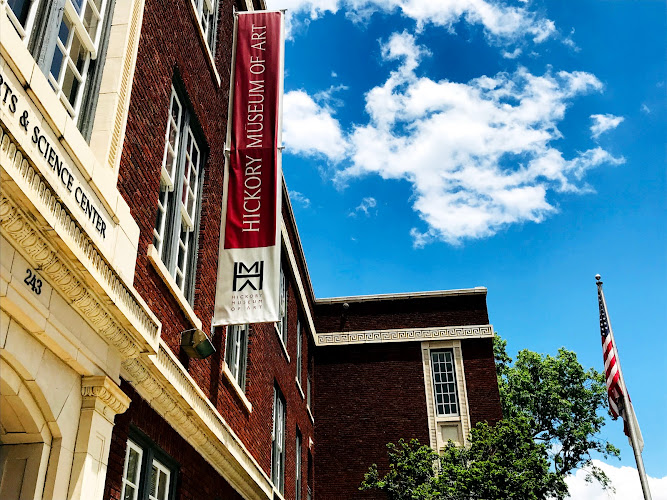
It focuses on contemporary Southern folk art alongside a broader range of American art, creating a mix that appeals to collectors, families, students, and casual travelers who happen to wander into town and decide to poke around for a couple of hours. The collection balances self-taught and formally trained artists, and because the museum places a strong emphasis on the cultural landscape of the American South, visitors often leave feeling like they understand a little more about place and people — not just paint on canvas.
Unlike big-city institutions that can sometimes feel like performance spaces, the Hickory Museum of Art has a relaxed, human-scale atmosphere. Galleries are arranged to encourage slow looking, the kind of slow that’s good for neighborhoods and for the mind. And yes, the museum hosts rotating exhibitions alongside permanent pieces, which means repeat visits often reveal new surprises: an outsized painted portrait in one wing, a delicate ceramic installation in the next, and an installation that pulls from Appalachian textile traditions in the gallery beyond.
The museum’s mission centers on community connection and education, and that shows. There are regular onsite programs geared toward children and families, and the museum is used as a teaching space by local schools and regional art organizations. Programs typically include hands-on workshops, artist talks, and guided tours that unpack techniques, themes, and histories that are sometimes overlooked in mainstream art discussions. For travelers who like to mix sightseeing with cultural learning, this place makes a great mid-day stop.
Accessibility is practical rather than performative. The entrance, parking, and restrooms are wheelchair accessible, which matters a lot when traveling with older relatives or those with mobility needs. The museum also keeps essentials simple: a small, well-curated gift shop with local-focused items and exhibition catalogs; clean restrooms; and friendly front-desk staff who will cheerfully point out the galleries or recommend nearby coffee shops. There is no full-service restaurant inside, so plan to step out for lunch or bring a light snack — though the museum signage gently reminds visitors to enjoy food and drink in the lobby areas only.
For photographers and social-media-minded travelers, the museum’s interior provides plenty of photo-friendly compositions: bold color fields, intimate portrait studies, and interesting juxtapositions of folk sculpture against modernist painting. Still, visitors should check exhibit rules; some special exhibitions restrict photography for conservation reasons. And for those who collect, the museum occasionally stages sales or features local artists whose work may be available through the gift shop or by special arrangement.
One of the less obvious but delightful things about the Hickory Museum of Art is its emphasis on narrative. Exhibitions often include oral histories, artist statements, and regional context that help connect the work on the wall to the communities that made them. A visitor once remarked to staff — and this story gets shared because it’s true and charming — that they came in feeling vaguely curious and left with a memory of a particular quilt-maker’s story that their grandmother might have told. That kind of resonance is the museum’s quiet strength.
Practical travelers appreciate the manageable size. The museum can usually be explored thoroughly in 60–90 minutes without feeling rushed, though art lovers can easily spend more time reading labels, sketching, or joining an impromptu docent-led chat. It is a very family-friendly environment: gallery guides and activity sheets are often available for kids, and staff are used to answering questions from a wide range of ages. The museum’s layout and programming reflect an intention to be welcoming to both novices and people who know their art history backward and forward.
What many guidebooks miss — and what a lot of locals quietly value — is how the Hickory Museum of Art functions as a cultural engine for the region. It partners with neighboring cultural institutions, schools, and festivals, and plays a role in downtown revitalization. Travelers who time their visit to coincide with an opening reception, lecture, or community art event will get a far more textured experience than someone who only looks at the permanent collection. And, on a personal note, when the writer visited during a spring opening, the small reception felt like a neighborhood gathering: people trading observations, a curator explaining a difficult work in plain language, and a feeling of discovery that’s rare outside metro art scenes.
From an SEO-minded perspective — because yes, travelers often search for specific details — the Hickory Museum of Art is notable for its Southern contemporary folk art focus, its American art collection, and its central role in the local arts community. Keywords that help travelers find the museum include Hickory Museum of Art, Hickory art museum, folk art collection, Southern contemporary art, American art exhibitions, family-friendly museums in North Carolina, and accessible museums in Hickory. These searchable phrases reflect how people actually look for mid-sized regional museums when planning day trips or road trips across North Carolina.
Visitors should also know that the museum’s curatorial strategy favors artists who engage place and tradition in unexpected ways. Exhibitions might juxtapose quilting traditions with contemporary painting or pair outsider sculpture with formal ceramics. That gives the museum a surprising range: small, intimate works sit comfortably beside large installations, and the interpretive text often invites visitors to think about how art shapes, and is shaped by, daily life in the South.
Another subtle advantage: the museum’s location makes it a convenient cultural stop if the traveler is exploring nearby towns and outdoor attractions. People often combine a museum visit with a walking tour of downtown Hickory, a meal at a local café, or an afternoon drive through nearby scenic routes. And when the weather is odd — say, sudden summer rain — the Hickory Museum of Art offers a perfectly civilized refuge to spend an hour or two indoors without feeling like one is missing out on the region’s character.
What about cost and crowds? Admission and hours can vary with exhibitions and seasons, so travelers should double-check before heading over; the museum keeps a modest scale that tends toward manageable crowd sizes even on busy weekends. That said, the museum’s popular special exhibitions can draw bigger groups, especially during free admission days or community events. For photographers, collectors, and educators, the museum often advertises special programs which might have separate fees or registration requirements.
For the traveler who wants an offbeat souvenir, the gift shop leans local and tactile: small prints, books about Southern art and culture, handmade objects from regional makers, and exhibition catalogs. It’s the kind of place where travelers who enjoy buying art-related souvenirs can find something genuinely tied to the museum’s mission. And, as someone who’s bought more art books than shelf space allows, the writer will say: the museum shop is worth a look even if it’s just to see what regional tastes are being supported.
Finally, the museum’s staff and volunteers deserve a shout-out. They tend to be approachable and knowledgeable without being overly institutional. If a traveler asks for a neighborhood recommendation, such as where to get a good coffee or best quiet spot for sketching, those suggestions will likely be authentic and grounded in local tastes. That kind of human touch — the friendly curator explaining a technique, the docent pointing out a hidden motif, the receptionist recommending a lesser-known artists’ studio — often turns a simple museum stop into a memorable part of a trip.
In short, the Hickory Museum of Art is a compact but richly layered cultural attraction that rewards curious travelers. Its emphasis on contemporary Southern folk art and American artistic traditions, combined with accessible programming, community ties, and a humble but helpful staff, makes it a practical and meaningful stop for anyone touring North Carolina’s cultural corridor. Travelers who enjoy stories in objects — who like to learn a bit about the people behind the work — will find this museum a quietly satisfying chapter in their trip itinerary.
 Real Journey Travels