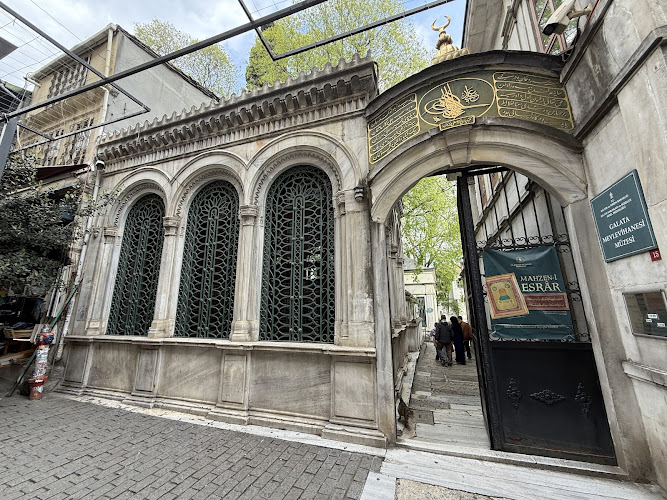
Walking through its doors feels a bit like stepping into a different era altogether – and I mean that in the best possible way. This isn’t your typical museum where you’re just staring at artifacts behind glass cases feeling vaguely educational. The place breathes with history, literally occupying the space where members of this mystical Sufi order practiced their spiritual ceremonies for centuries.
What makes this museum particularly special is that it continues to honor its original purpose through regular whirling dervish ceremonies, known as Sema. These aren’t just performances put on for tourists (though visitors are absolutely welcome). They’re genuine spiritual practices that have been preserved and passed down through generations. You’re witnessing something that’s been happening in essentially the same way for over 800 years, which is pretty mind-blowing when you think about it.
The museum itself occupies a beautifully restored Ottoman building in the Galata district, and honestly, the architecture alone is worth the visit. The octagonal wooden dance hall, or semahane, serves as the ceremonial heart of the complex. This is where the magic happens – where dervishes spin in their flowing white robes, achieving a meditative state through repetitive circular movement. But beyond the ceremonies, the museum houses an impressive collection of artifacts related to the Mevlevi Order, including musical instruments used during Sema, historical manuscripts, and personal belongings of past dervishes.
I’ve always found it fascinating how places like this manage to balance their roles as both active spiritual sites and public museums. It’s not always an easy balance to strike, but the Galata Mevlevihanesi does it remarkably well.
Key Features
Travelers visiting the Galata Mevlevihanesi Museum can expect to encounter several distinctive features that make this destination truly memorable:
Best Time to Visit
Timing your visit to the Galata Mevlevihanesi Museum requires a bit more strategy than your average museum trip, and here’s why. The whirling dervish ceremonies typically take place on Sundays, making this the absolute best day to visit if you want the full experience. Showing up on a random Tuesday will still give you access to the museum’s collections, but you’ll miss the main event.
That said, Sunday ceremonies attract significant crowds – both tourists and locals who come for spiritual reasons. If you’re someone who gets claustrophobic in packed spaces or prefers a more contemplative museum experience, you might want to visit the exhibition spaces on a weekday and plan a separate Sunday visit specifically for the ceremony. And honestly? There’s something to be said for seeing the museum when it’s quieter. You can really take your time with the exhibits without feeling rushed or jostled.
Seasonally speaking, spring and autumn offer ideal conditions for visiting. Istanbul’s weather during these months is genuinely perfect – not too hot, not too cold. Summer can get brutally warm, and since you’ll be standing or sitting in a space with many other people during the ceremony, the heat becomes a factor worth considering. Winter visits have their own charm, though. There’s something particularly moving about watching the dervishes spin while cold rain patters against the windows outside.
As for time of day, arriving in the late morning allows you to explore the museum at a leisurely pace before any scheduled ceremonies. The lighting in the semahane is particularly beautiful around this time too. Evening ceremonies, when they occur, create an entirely different atmosphere – more intimate and somehow more mystical.
One thing I learned the hard way is that religious holidays and special occasions can affect both the museum’s opening hours and ceremony schedules. The museum might host special extended ceremonies during significant dates in the Islamic calendar, which can be incredible to witness but also means much larger crowds than usual.
How to Get There
Getting to the Galata Mevlevihanesi Museum is refreshingly straightforward, especially by Istanbul standards. The museum sits in the Galata neighborhood, which is one of the city’s most accessible areas for travelers.
The tram system offers probably your easiest option. Take the T1 tram line to Karaköy station, then it’s about a 10-minute walk uphill through Galata’s charming streets. Yeah, I said uphill – Istanbul’s built on seven hills, remember, and you’ll definitely feel it in your calves. But the walk itself is part of the experience, taking you past cafes, antique shops, and buildings that look like they’ve got stories to tell.
If you’re already exploring the Galata Tower area (and let’s face it, most tourists are), the museum is just a short stroll away. You can easily combine both attractions in a single afternoon. From the tower, it’s maybe a 5-minute walk, which makes planning your day pretty convenient.
The Istanbul metro’s M2 line to Şişhane station puts you within walking distance as well – roughly 15 minutes on foot. This route takes you through some of Beyoğlu’s backstreets, which I actually prefer to the more touristed paths. You see more of how locals actually live.
Taxis and ride-sharing services work fine too, though navigating some of Galata’s narrow streets can be tricky for vehicles. Just tell the driver “Galata Mevlevihanesi” and they’ll know exactly where you mean. It’s a well-known landmark. But honestly, unless you’ve got mobility issues or you’re dealing with extreme weather, I’d recommend walking from the nearest tram or metro station. You’ll get a much better feel for the neighborhood.
For those staying in Sultanahmet or the Old City, you can take the tram to Karaköy and walk up, or cross the Galata Bridge on foot (which is an experience in itself) and then climb up through the streets. The bridge crossing gives you fantastic views of the Golden Horn and lets you watch fishermen casting their lines into the water below.
Tips for Visiting
Let me share some practical advice that’ll make your visit to the Galata Mevlevihanesi Museum significantly better, based on what I’ve observed and learned over time.
First off, dress respectfully. This is still a functioning religious site, not just a tourist attraction. That means covering your shoulders and knees at minimum. Women should bring a scarf to cover their hair during ceremonies – some people don’t, and nobody will physically stop you from entering, but it shows respect for the spiritual nature of what you’re witnessing. And trust me, you’ll feel more comfortable being appropriately dressed.
Photography policies can be strict, particularly during the Sema ceremonies. Some sessions allow photography without flash, others don’t permit it at all. Always check before you start snapping pictures. I’ve seen tourists get pretty embarrassed being called out for breaking this rule. The ceremonies are deeply sacred to practitioners, and treating them like a photo opportunity rather than a spiritual practice is, well, kind of disrespectful.
Arrive early for ceremonies – and I mean at least 30-45 minutes early if it’s a weekend or special occasion. Seating is limited and operates on a first-come basis. There’s nothing worse than traveling across the city only to be turned away because capacity has been reached. Some ceremonies require advance booking, so checking the museum’s current policies before your visit saves disappointment.
During the Sema ceremony itself, silence is expected. No talking, no whispering to your travel companion, no rustling through your bag for snacks. The ceremony can last anywhere from 45 minutes to over an hour, so prepare accordingly. Bathroom breaks aren’t really an option once things start, so take care of that beforehand. The museum does have restroom facilities, thankfully.
Bring cash for the entrance fee. While Istanbul is increasingly card-friendly, smaller museums sometimes have issues with card readers, and you don’t want payment problems cutting into your visiting time. The admission price is quite reasonable compared to many tourist attractions in the city.
If you’re visiting with children, prepare them for what to expect. The ceremonies require sitting still and quiet for extended periods, which isn’t every kid’s strong suit. That said, the museum staff generally indicate that it’s appropriate for families, and many children find the spinning dervishes absolutely captivating. Just set expectations beforehand.
The cemetery gardens deserve more attention than most visitors give them. After experiencing the intensity of a ceremony or the concentration required to appreciate the exhibits, the gardens offer a peaceful space to decompress and reflect. Don’t rush out immediately – spend some time walking among the old gravestones and trees.
Consider hiring a guide or using the informational materials available. The philosophy and symbolism behind Mevlevi practices run deep, and understanding even a fraction of it enriches the experience tremendously. What might seem like simple spinning is actually loaded with meaning – the white robes represent burial shrouds, the spinning represents the soul’s journey toward truth, every gesture carries significance.
Finally, approach your visit with an open mind and heart. This isn’t Disneyland – it’s a place where real people practice their genuine spiritual beliefs. Whether you’re religious yourself or completely secular, treating the experience with the seriousness it deserves will make it infinitely more meaningful. And honestly? That’s when travel really transforms from just seeing things into actually experiencing them.
 Real Journey Travels