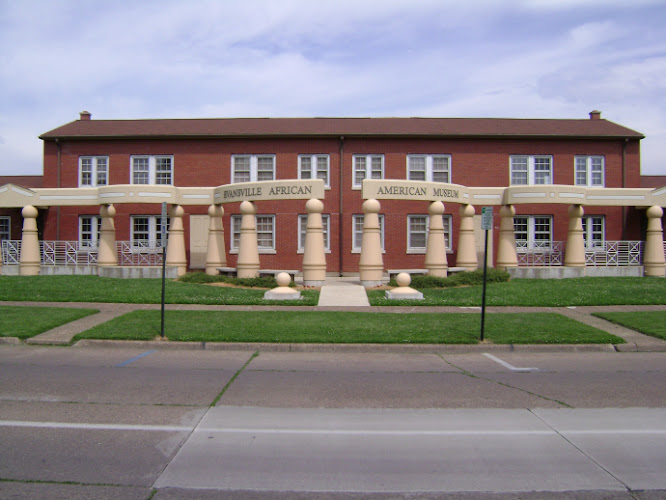
It focuses on local people, institutions, and moments that shaped the region — the schools, churches, neighborhood businesses, civil rights efforts, veterans, artists, and everyday families whose lives are rarely captured in larger history books. Exhibits combine photographs, documents, oral histories, and artifacts to create an intimate, human-scale narrative. Visitors leave feeling they’ve met real people, not just names on a plaque.
Staff and volunteers emphasize community involvement. And that makes a difference: exhibits often include donated items and first-person accounts gathered from long-time residents. The museum identifies as Black-owned and operates as both a museum and a cultural center — so it’s equal parts place-to-see and place-to-share. Educational programs, rotating displays, and occasional community events give the site a living quality; it’s not frozen in a single era. For a traveler who appreciates layered stories and places that preserve local memory, this museum offers hours of meaningful engagement.
Accessibility is concrete, not an afterthought. The building provides a wheelchair-accessible entrance, parking, restroom, and seating, plus a gender-neutral restroom — details that matter for families and visitors with mobility needs. There is no assistive hearing loop at the moment, so those who rely on that technology should plan accordingly. Practical amenities include public restrooms and Wi‑Fi, and guided tours are available for groups or individuals who want a fuller, narrated experience. Admission requires a fee, which helps sustain programming and preservation work. Families with kids will find the museum kid-friendly; exhibits are presented in ways that can spark conversation across generations.
The museum’s footprint isn’t huge, but the content punches above its weight. Travelers who like museums that prioritize stories over spectacle will appreciate the focused collections. The place works well for travelers who prefer slow, thoughtful visits — the kind that let one sit with a photograph, read a letter, or listen to a recorded memory. The museum also serves researchers and students; staff can often point to local resources, archives, and contacts that extend beyond the immediate galleries.
The writer remembers a rainy Thursday afternoon visit years ago — the kind of visit where the rain outside made the voices inside feel closer. A senior volunteer recounted a story about a neighborhood parade from the 1950s that had the whole room laughing; kids tucked into a corner with a scavenger-sheet were actually asking better questions than the adults. Those small moments, trivial maybe to some, are exactly the reason places like this matter.
Key Features
- Family-friendly layout and content — suitable for children and school groups
- Resource for local history research and community engagement
Best Time to Visit
The museum is worth a visit any time of year, but timing can change the experience. Weekday mornings or early afternoons usually mean fewer crowds, which suits visitors who want quiet time to read labels and listen to oral histories. But if a traveler seeks community energy — lectures, openings, or school programs — then check the museum’s event schedule and aim for evenings or weekend days when special programming is most likely.
February, during Black History Month, often brings curated displays, talks, and commemorations that amplify the museum’s mission; attendance can spike during that month, so planning ahead is wise. Summer months sometimes feature youth programs and family events, which add lively, hands-on elements; those are fun if someone brings children or enjoys interactive learning. For photographers and researchers who prefer soft light, overcast days are great — indoor exhibits are easier to photograph without glare.
Plan on spending about one to two hours for a standard visit. That’s usually enough time to move through permanent exhibits, take in any temporary displays, and chat with staff. But curious travelers often linger longer, especially if they talk with volunteers or dive into archival materials. So give some wiggle room in the itinerary — good museums reward unhurried attention.
How to Get There
The museum sits within Evansville’s city context and is straightforward to reach by car, rideshare, or local transit. Most travelers driving into the city will find it convenient to navigate by the museum’s name; parking is available on-site and includes accessible spots. For those using rideshare services, drop-offs at the front entrance are simple and safe. Cyclists will find the surrounding neighborhood navigable, though bike parking may be limited, so bring a secure lock.
Public transit riders should check the local bus routes — many central routes stop within a short walk of cultural institutions in Evansville. If a visitor is coming from a nearby hotel in the downtown area, a quick taxi or rideshare trip is usually the most time-efficient option. For road-trippers, the museum makes a satisfying stop en route through southern Indiana; it pairs well with other historical and cultural sites in town. The site is compact enough that visitors can combine a museum visit with a short walking tour of adjacent neighborhoods.
Tips for Visiting
Practical tips gleaned from frequent visitors and staff make a visit smoother. First, check whether guided tours are available and reserve in advance if possible — the tours add context and often point out stories and items not obvious on a self-guided walk. Second, bring a small notebook or use a phone to jot down names, dates, or references; many visitors find themselves inspired to continue research after leaving.
Accessibility matters here: the museum provides an accessible entrance, parking, restrooms, and seating, which is excellent, though there is currently no assistive hearing loop. Visitors who need hearing accommodations should plan accordingly and speak with staff ahead of time to see what alternatives are available. Parents will be glad to know exhibits are kid-friendly, but younger children may benefit from a short scavenger hunt — which, yes, the writer recommends making up on the spot. It keeps them engaged and curious.
Be prepared to pay an admission fee; it’s modest and helps sustain programming. Cash and card policies can change, so bring a card or small bills just in case. Also, many small museums appreciate donations or purchases at a small shop, if one is offered. If a traveler is short on time, ask staff for a one-page highlights tour — they’ll happily point to the five must-see items.
Respect the space. Artifacts and oral histories are often family-donated items, and staff work hard to honor those gifts. Photography policies vary by exhibit, so ask before shooting flash photos. And don’t be shy: volunteers love to tell stories. Allow a little extra time for conversations; those off-the-record anecdotes often become the most memorable part of the trip.
Finally, pair the visit with nearby cultural stops or a meal in town. The museum works as a focused cultural anchor for a day in Evansville; it gives context to other local sites and makes for a richer overall experience. Travelers who take that extra step — to read a plaque slowly, to listen to an oral clip, to ask a volunteer a question — come away with a deeper understanding of the people and places that shaped this part of Indiana. It’s quietly powerful, and that’s not a promise made lightly.
 Real Journey Travels