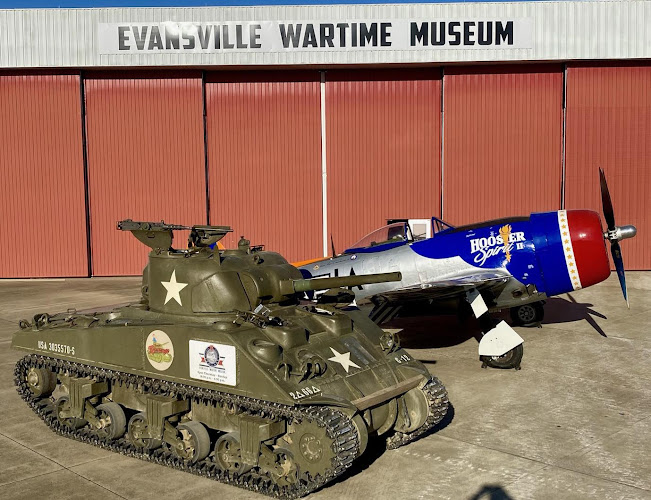
It explains how one Midwestern city threw its weight behind the Allied cause in World War II, producing war material at an astonishing per-capita rate and reshaping its own civic identity in the process. Visitors encounter artifacts, aircraft components, military vehicles, and first-person accounts that make the era feel less like a chapter in a textbook and more like a neighborhood memory brought to life. The museum focuses on the full spectrum of wartime activity — from aircraft built at local factories to landing ship tank production and the vital logistics that ran behind the headlines.
This museum doesn’t try to dazzle with a single blockbuster exhibit; instead it wins people over through depth and context. Panels explore Republic Aviation and other local industries, while displays highlight how women, veterans, factory workers, and civic leaders all pulled together. There are immersive elements that help visitors understand how citizens on the home front organized rationing, shifted labor patterns, and kept factories humming. And yes, there are big pieces too: sections devoted to naval construction and aviation parts that reveal why Evansville mattered so much to the war effort.
One of the most compelling aspects is how local stories connect to national outcomes. The exhibits show not only what was made — tanks, aircraft parts, components for landing ship tanks — but also how these contributions altered the trajectory of communities in the decades that followed. Visitors often leave with a refreshed view of American industrial strength and a new appreciation for the complexity of wartime logistics. The narrative is human-centered, too: veterans, factory supervisors, and factory-line families are presented as the main characters. That approach makes history feel personal, and often surprisingly emotional.
The museum is attentive to accessibility and practicality. It offers wheelchair accessible entrances, accessible parking, and restrooms, and it provides tours for guests who want a guided experience. For families, the layout and exhibits are designed to be engaging — children can see, touch (where allowed), and ask questions. There is Wi-Fi throughout the facility, so educators and travel planners can adapt the visit as needed. Visitors should note that admission is charged, and active military discounts are available, which is a nice nod to the people who served.
Not every corner is polished museum gloss, and that’s part of the charm. Some displays have a hands-on volunteer spirit; labels occasionally read like personal notes rather than corporate copy. That slightly rugged, community-led feel is honest and endearing. It reflects the museum’s origins as a grassroots project to preserve an extraordinary chapter of Evansville’s story, and it often leads to meaningful conversations between docents and visitors. For travelers seeking a deep-dive into WWII history beyond the usual national museums, this place is a rewarding detour.
Key Features
- Free parking on site and Wi-Fi available inside the museum
- Volunteer-driven interpretation that offers candid, community-rooted perspectives
Best Time to Visit
The best time to visit depends on what the traveler wants out of the experience. For quieter, more reflective visits, weekday mornings are ideal. The crowd levels early in the week are lower, docents have more time for long conversations, and it’s easier to linger over the panels without feeling rushed. Families tend to visit in the late morning and afternoons on weekends, so if a visitor prefers a more solitary, immersive experience, midweek is the sweet spot.
Seasonally, spring and fall are particularly pleasant. Evansville enjoys milder weather in April through June and again from late September into October, making it easier to combine a museum visit with other outdoor activities in the area. But the museum is an indoor destination with climate-controlled exhibits, so it’s a solid rainy-day option year-round. Special events and commemorative weekends — often tied to Veterans Day or local history anniversaries — can be powerful and moving, but they do draw larger crowds; those days require reservations or arriving early.
For group visits or school trips, plan ahead. Tours can fill up on peak dates, and educational groups often book months in advance during the school year. If a visitor wants a guided tour with a specific focus, such as aviation production or naval ship building, contacting the museum well in advance increases the chance of a tailored experience.
How to Get There
Getting to the museum is straightforward whether visitors drive, take a rideshare, or arrange local transport. It sits within easy reach of central Evansville and regional thoroughfares, so it makes a convenient stop for road-trippers exploring southern Indiana and the tri-state area. Free parking is available on site, and accessible parking spaces are clearly marked close to the entrance, which is a real time-saver for visitors with mobility needs.
From the city center, expect a short drive; from the regional airport, it’s typically under a half hour depending on traffic. Rideshare services and taxis serve Evansville reliably, and many travelers pair a museum visit with nearby attractions for a single-day itinerary. Public transit options exist in the area for those who prefer buses, but schedules vary — it’s wise to check local timetables before setting out. The museum is easy to find with GPS systems when searching by name, and signage is visible once in the vicinity.
Driving tips: there is a straightforward parking lot with room for larger vehicles and school buses, so group leaders don’t have to worry about squeezing into residential streets. The parking and building accessibility features make dropping off less of a headache — which, frankly, is appreciated by anyone who’s wrestled with a stroller, wheelchair, or fatigued kids on a long day of sightseeing.
Tips for Visiting
Plan on at least 90 minutes to two hours for a comfortable visit. That allows time to enjoy the main exhibits, take a guided tour if one is available, watch any short films, and read the oral histories that bring the displays to life. People who are particularly into aviation or naval history may want more time — up to three hours — to savor the detailed manufacturing displays and technical artifacts.
Buy tickets on arrival for small groups, but for larger parties or guided tours call ahead. Tours enrich the experience and often reveal local anecdotes that aren’t on the placards. For example, one docent regularly tells the story of a river town machine shop that pivoted overnight to producing critical metal components. That kind of local narrative is what turns a visit from informative to unforgettable.
Bring a camera, but be mindful: flash photography is usually forbidden near sensitive artifacts. Phones are perfect for snapping smaller exhibits and sharing social-media moments. Also, the museum doesn’t operate an onsite restaurant, so pack a light snack if there are hungry kids in tow. Restrooms and a small seating area make that manageable, and there are several dining options a short drive away for a proper meal afterward.
Accessibility is good, but visitors with specific mobility or sensory needs should call ahead to confirm the best entry points and tour accommodations. The staff and volunteers are welcoming and will often go the extra mile to make a visit smooth, especially for school groups and veterans. Active military visitors should ask about available discounts at the ticket counter.
Don’t rush. The exhibit text is rich and sometimes surprising; small captions often contain stories that reshape larger historical assumptions. For travelers who enjoy layering experiences, pairing the museum with a local history walk or a riverfront visit creates a fuller picture of how geography and industry combined to make Evansville a wartime powerhouse. And if the weather is cooperating, a stroll after the museum helps the mind process the dense, emotional material visitors have just seen.
Finally, expect to leave with questions. Good museums provoke curiosity, and this one consistently nudges guests to look deeper at wartime production, home front sacrifice, and the long-term effects on local communities. Travelers who like to read more after a visit will find it rewarding to follow up with local archives, nearby historical sites, and community museums that expand the narrative. In short, this is not a one-off stop; it’s the start of a conversation about the city, its people, and their role in one of the defining conflicts of the 20th century.
 Real Journey Travels