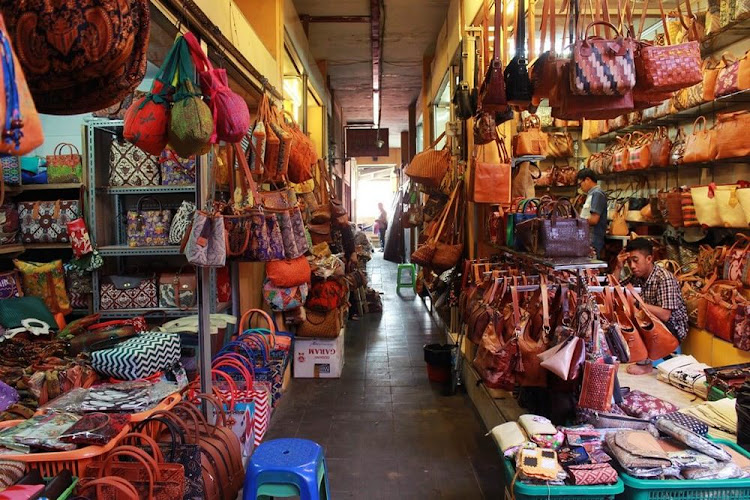
Walking through Beringharjo Traditional Market feels like stepping into a living museum where commerce hasn’t really changed much since the mid-18th century. This isn’t your sanitized shopping mall experience—it’s raw, authentic, and honestly a bit overwhelming in the best possible way. Founded way back in 1758, this market has been the beating heart of Yogyakarta’s commercial life for over two and a half centuries, and somehow it’s managed to keep its soul intact despite all the modernization happening around it.
The market sprawls across a massive area in central Yogyakarta, and you’ll find yourself wandering through narrow aisles crammed with goods stacked from floor to ceiling. It’s the kind of place where your senses go into overdrive—the smell of spices mixing with fabric dyes, the sound of merchants calling out prices, the visual explosion of batik patterns and traditional textiles everywhere you look. And let me tell you, it’s hot. The market gets stuffy especially during midday, but that’s part of the authentic experience.
What makes Beringharjo special isn’t just its age—plenty of old markets exist—but how it’s remained genuinely functional for locals while also becoming a must-visit spot for travelers. You’ll see grandmothers haggling over vegetables alongside tourists hunting for the perfect batik sarong. The merchants here have been doing this for generations, literally. Some stalls have been in the same family for decades, passing down not just the business but the art of negotiation and customer relationships.
The market is primarily known for textiles and traditional Javanese clothing, but calling it just a fabric market would be selling it short. Sure, batik is everywhere—from cheap souvenirs to museum-quality pieces that cost serious money—but you’ll also stumble upon sections selling traditional medicines, fresh produce, leather goods, antiques, and ceremonial items used in Javanese rituals. It’s essentially a microcosm of Javanese culture condensed into one chaotic, fascinating space.
Key Features
- Historical significance dating to 1758 making it one of Indonesia’s oldest continuously operating markets and a living testament to traditional Javanese commerce
- Extensive batik collection ranging from affordable printed designs to hand-drawn tulis batik that represents months of artisan work
- Traditional Javanese textiles and clothing including kebaya, sarongs, and ceremonial outfits you won’t easily find elsewhere
- Multi-level shopping experience with the ground floor focused on traditional goods and upper levels offering more contemporary items
- Jamu and traditional medicine section where vendors sell herbal remedies that have been used in Javanese healing practices for centuries
- Antiques and curios scattered throughout various stalls for those willing to dig through piles of fascinating old stuff
- Fresh produce and spice sections that locals actually use for daily shopping, giving travelers an authentic glimpse into Indonesian culinary culture
- Leather goods and accessories including bags, shoes, and wallets at prices that’ll make you want to buy extras for everyone back home
- Souvenir central with everything from cheap magnets to quality handicrafts perfect for gift-giving
- Modern payment options despite the traditional setting, accepting debit cards and mobile payments alongside cash
- Onsite facilities including restrooms, though don’t expect five-star amenities here
- Central location making it easily accessible and a perfect starting point for exploring Yogyakarta’s old city
Best Time to Visit
Timing your visit to Beringharjo can honestly make or break your experience. I learned this the hard way during my first visit when I showed up at noon on a Saturday and could barely move through the crowds.
Early morning is absolutely the golden hour here. The market opens around 8 AM, and arriving between 8 and 10 AM means you’ll beat the worst of the crowds and the heat. The merchants are fresh, more willing to chat, and you’ll have better lighting for examining fabrics and colors. Plus, if you’re serious about scoring quality batik, the best pieces tend to get snapped up early by locals who know what they’re looking for.
Weekday mornings are significantly less crowded than weekends. If your schedule allows, visiting Tuesday through Thursday gives you more breathing room and a more relaxed shopping experience. Locals do their shopping throughout the week, so you’ll still get the authentic atmosphere without feeling like you’re in a sardine can.
Avoid midday visits between noon and 3 PM if you can help it. The combination of tropical heat, humidity, and crowds makes this period pretty uncomfortable. The market buildings trap heat, and without proper air conditioning in most sections, it gets genuinely sweltering. Some travelers push through anyway, but you’ll be dealing with sweat dripping down your back while trying to examine delicate fabrics.
Late afternoon around 4 to 6 PM offers a second sweet spot. The crowds thin out a bit, temperatures drop slightly, and merchants who didn’t make many sales earlier might be more flexible with pricing. But keep in mind that some stalls start closing around 5 PM, so you’ll have fewer options than morning visits.
Seasonally, the dry season from May to September provides the most comfortable weather conditions. The rainy season from October to April means you might deal with sudden downpours, and navigating the market with an umbrella while trying to shop is nobody’s idea of fun.
Special note about Ramadan—if you’re visiting during the fasting month, the market takes on a different rhythm. It’s generally quieter during the day and gets absolutely packed in the late afternoon as people shop for breaking fast meals. The atmosphere becomes more festive but also more hectic.
How to Get There
Getting to Beringharjo is refreshingly straightforward since it sits right in the heart of Yogyakarta’s city center. The market is located along Jalan Malioboro, which is basically Yogyakarta’s main artery and probably the most famous street in the city.
If you’re staying anywhere in the Malioboro area, honestly just walk. The market is impossible to miss, and walking lets you soak in the street life along the way. From the northern end of Malioboro near the train station, it’s about a 15-minute stroll southward.
Taking a becak (traditional cycle rickshaw) makes for a fun and authentic approach, especially for first-time visitors. Drivers hang out all along Malioboro and know the market well. Negotiate your fare beforehand—expect to pay around 20,000 to 30,000 rupiah for short distances. It’s touristy, sure, but it’s also a quintessentially Yogyakarta experience.
TransJogja, the city’s public bus system, stops very close to the market. Routes 1A and 1B both pass Malioborg, with stops within easy walking distance of Beringharjo. The fare is incredibly cheap at 3,500 rupiah, and the buses run frequently throughout the day. They get crowded during rush hours though.
For ride-sharing apps, both Grab and Gojek operate extensively in Yogyakarta and can drop you right at the market entrance. The apps work well here, and rates are very reasonable compared to Western countries. From most hotels in the city center, you’re looking at maybe 10,000 to 20,000 rupiah.
Renting a motorbike is popular among independent travelers, but parking can be tricky. There’s a paid parking lot available near the market where you can leave your bike for a small fee (usually around 2,000-5,000 rupiah). Just follow the attendants’ instructions because parking is somewhat chaotic.
Taxis work fine too, though traditional metered taxis are becoming less common as ride-sharing apps dominate. If you do use a taxi, make sure they use the meter or agree on a price beforehand.
The market is also within walking distance of Yogyakarta’s main train station (Stasiun Tugu), making it incredibly convenient if you’re arriving from other Javan cities by rail. It’s roughly a 20-minute walk or a very short ride.
Tips for Visiting
Bargaining isn’t optional here—it’s expected. Start at about 50-60% of the asking price and negotiate from there. Don’t feel bad about it; merchants price items expecting negotiation. That said, keep things friendly and know when to walk away. Sometimes walking away actually brings the seller chasing after you with a better offer.
Bring cash, even though the market technically accepts cards and mobile payments. Many smaller stalls still operate cash-only, and you’ll have more negotiating power with physical money. ATMs are available nearby on Malioboro if you need to withdraw rupiah.
Dress appropriately with covered shoulders and knees out of respect, but also wear breathable fabrics because you will get hot. Comfortable walking shoes are essential since you’ll be on your feet for hours potentially. Flip-flops work but closed shoes protect your feet better in crowded spaces.
Watch your belongings carefully. Pickpocketing happens in crowded markets everywhere, and Beringharjo is no exception. Keep your bag in front of you, don’t flash expensive electronics unnecessarily, and stay aware of your surroundings. Most visitors have zero problems, but basic precautions make sense.
Learn a few Indonesian phrases for shopping. “Berapa harga?” (How much?), “Terlalu mahal” (Too expensive), and “Terima kasih” (Thank you) go a long way in building rapport with merchants. Many vendors speak some English, but effort matters.
Take your time examining batik quality if you’re making a significant purchase. Look for even wax application, consistent colors, and clean pattern work. Don’t hesitate to ask whether it’s cap (stamped) or tulis (hand-drawn) batik—this massively affects value and price.
Bring a reusable bag for your purchases. While vendors will provide plastic bags, having your own shopping bag is more convenient for carrying multiple items and better for the environment.
Stay hydrated because the heat and humidity are no joke. Small vendors throughout the market sell bottled water and drinks. Don’t hesitate to take breaks—there are small warungs (food stalls) scattered around where you can rest and grab a snack.
Visit multiple stalls before committing to a purchase, especially for bigger items. Prices and quality vary significantly between vendors, even for similar products. Taking a preliminary walk through helps you understand the market range before negotiating seriously.
Be patient with the chaos. Aisles are narrow, crowds can be thick, and the sensory overload is real. This isn’t a streamlined Western shopping experience, and that’s precisely what makes it memorable. Embrace the organized chaos rather than fighting it.
Take photos respectfully. Most merchants don’t mind if you photograph their goods, but always ask permission before photographing people directly. A smile and gesture toward your camera usually gets a clear yes or no response even without shared language.
Don’t feel pressured to buy from persistent vendors. A polite but firm “Tidak, terima kasih” (No, thank you) works fine. Merchants are businesspeople trying to make sales, but they’ll respect a clear decline if delivered politely.
Consider hiring a local guide for your first visit if you’re feeling overwhelmed. Many Yogyakarta guides offer market tours that help you navigate, translate, and spot quality goods while avoiding tourist traps. The cost is usually quite reasonable and can actually save you money through better negotiating.
Check fabric quality carefully before buying batik or textiles. Look for color fastness, fabric weight, and craftsmanship details. Higher-quality pieces cost more but last much longer and make better souvenirs or gifts.
The restroom facilities exist but bring tissue paper or hand sanitizer just in case. Standards differ from Western expectations, though they’re functional and regularly maintained.
Beringharjo Traditional Market represents everything fascinating and challenging about authentic travel experiences. It’s messy, loud, hot, and occasionally frustrating—but it’s also genuine, historical, and utterly captivating in ways that sterile shopping malls simply can’t match. Whether you’re hunting for the perfect batik piece, stocking up on Indonesian spices, or simply wandering through to observe daily Javanese life, this market delivers experiences that stick with you long after you’ve left Yogyakarta. Just bring your patience, bargaining skills, and sense of adventure.
 Real Journey Travels