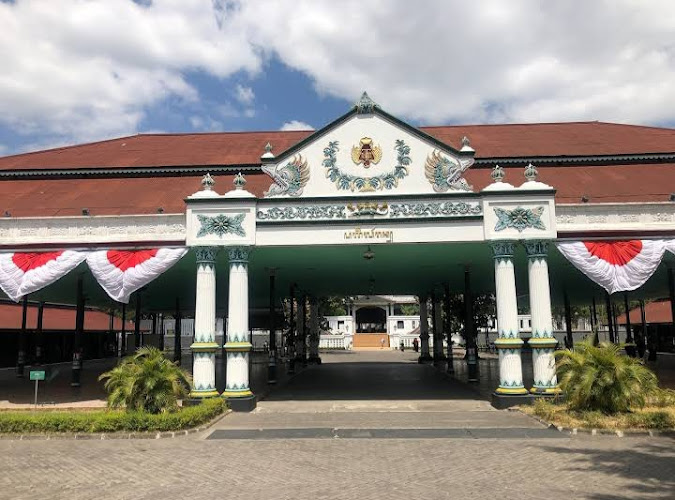
Built back in 1755, this isn’t your typical tourist trap where you shuffle through roped-off rooms behind velvet barriers. Nope, this is the real deal – an actual functioning palace where the Sultan of Yogyakarta still resides and conducts official business.
I’ll be honest, when I first heard about a palace you could just walk into while royalty still lived there, I was pretty skeptical. But stepping through those ancient gates felt like passing through a portal where past and present exist simultaneously. The complex sprawls across several acres in the heart of Yogyakarta, with its walls painted in the traditional yellow and white colors that signify Javanese royalty. The architecture itself tells stories – a fascinating blend of Javanese and European influences that reflects Indonesia’s complex colonial history.
What really sets this place apart from other historical sites you might visit is its authenticity. The Sultan (they’re currently on Sultan Hamengku Buwono X) actually lives here and serves as both a cultural leader and political figure in the region. And the palace complex isn’t frozen in time like so many historical landmarks tend to be. Daily rituals happen here, traditional gamelan music echoes through courtyards, and palace guards called Abdi Dalem still wear traditional Javanese attire while performing their duties.
The grounds feature multiple pendopo (open-air pavilions), ornate gates, intimate courtyards, and several museums housing royal treasures. You’ll find collections that span centuries – from ancient manuscripts and royal regalia to gifts from Dutch colonizers and personal items belonging to previous sultans. It’s the kind of place where you could easily spend half a day just absorbing the atmosphere and trying to imagine the countless ceremonies, celebrations, and political decisions that have unfolded within these walls over the past 250-plus years.
Key Features
The palace complex offers visitors an incredible window into Javanese royal culture that you simply won’t find anywhere else. Here’s what makes this place truly special:
Best Time to Visit
Timing your visit to the Keraton can make a huge difference in your experience, and I learned this the hard way. The palace is open daily except for certain ceremonial days and national holidays, typically from around 8 AM to 2 PM. But here’s the thing – showing up at different times means getting completely different experiences.
Early morning visits, right when the gates open, offer the best opportunity to explore before tour groups descend. The morning light hitting those pavilions is absolutely gorgeous, and you’ll actually have space to take photos without dozens of people in your frame. Plus, the palace guards are usually performing their morning rituals, which adds an authentic dimension you might miss later in the day.
If you’re interested in catching traditional performances, plan your visit for days when gamelan music or classical dance shows are scheduled. These typically happen mid-morning a few times per week, though the exact schedule can vary. The palace sometimes hosts special ceremonies on important dates in the Javanese calendar – these are incredible to witness but can mean restricted access to certain areas.
Weather-wise, Yogyakarta’s dry season runs from May through September, making these months ideal for comfortable exploring. The wet season from October through April brings afternoon downpours that can put a damper on your palace wandering, literally. But honestly, there’s something almost magical about experiencing the palace under grey skies with rain threatening – it feels more atmospheric somehow.
Avoid visiting during major Indonesian holidays like Lebaran (Eid al-Fitr) or Christmas week when domestic tourism spikes dramatically. I once made the mistake of going during a long weekend and could barely move through the crowds. The experience loses some of its charm when you’re being jostled by selfie-stick wielding tourists every two seconds.
Weekdays generally see fewer visitors than weekends, particularly Tuesday through Thursday. If you’ve got flexibility in your schedule, these mid-week visits offer the most peaceful experience. And there’s really something to be said for having a quiet moment in one of those ancient courtyards without feeling rushed.
How to Get There
Getting to the Keraton is refreshingly straightforward since it sits right in the heart of Yogyakarta’s city center. The palace complex is located in the Kraton district, which is pretty much the cultural and historical core of the entire city.
If you’re staying in the Malioboro area (where most tourists end up), you can actually walk to the palace in about 20 minutes. The route takes you through some interesting streets where you’ll pass batik shops, street food vendors, and glimpses of everyday Yogyakarta life. Just head south from Malioboro and follow the signs – locals are incredibly helpful if you look lost.
For those who’d rather not walk in the tropical heat, becaks (traditional cycle rickshaws) offer a fun and affordable option. Negotiate the price before hopping in though – expect to pay around 20,000 to 30,000 Indonesian Rupiah for the trip from Malioboro. The drivers usually speak enough English to get by, and many double as informal tour guides who’ll point out interesting sights along the way.
Taxis and ride-sharing apps like Grab and Gojek work perfectly fine here. Just type in “Keraton Yogyakarta” and you’re set. The fare from most parts of central Yogyakarta shouldn’t exceed 25,000 Rupiah. These apps have pretty much eliminated the old headaches of taxi meter “malfunctions” and inflated tourist pricing.
If you’re renting a motorbike (which I’d recommend for exploring Yogyakarta generally), parking is available near the palace complex. Just be aware that traffic around the Kraton can get congested during peak hours, and navigating the narrow surrounding streets takes some getting used to.
The TransJogja bus system also serves the area if you’re on a tight budget. Route 1A stops near the palace, and a ride costs just a few thousand Rupiah. The buses are air-conditioned and surprisingly comfortable for public transport in this part of the world.
Tips for Visiting
Walking into a functioning royal palace requires a bit more preparation than your average tourist attraction, and there are some things I wish someone had told me before my first visit.
Dress respectfully. This is still a sacred royal space for many Javanese people, not just a museum. Shorts and tank tops aren’t going to fly here. Aim for clothing that covers your shoulders and knees at minimum. You’ll notice some visitors wearing traditional Javanese attire – you can actually rent these outfits near the entrance if you want the full experience, and it makes for great photos.
Hire a guide if you can afford it. Sure, you can wander through on your own, but you’ll miss so much context and meaning behind what you’re seeing. The official guides available at the entrance know their stuff and can explain the symbolism, history, and ongoing traditions in ways that bring the palace to life. The fee is usually very reasonable, maybe 100,000 Rupiah or so for a small group.
Bring cash for entrance fees and any purchases inside. Indonesia hasn’t fully gone cashless yet, especially at traditional sites like this. The entrance fee is quite affordable – usually around 15,000 Rupiah for foreign tourists, which is honestly a steal for what you’re getting access to.
Photography rules can be confusing and change depending on which section of the palace you’re in. Some areas allow photos freely, others prohibit it entirely, and some allow photos for an additional fee. When in doubt, ask. And please, please don’t be that person who sneaks photos in restricted areas – it’s disrespectful to the cultural significance of the space.
Watch for special ceremonies if you’re lucky enough to be in Yogyakarta during one. Royal weddings, the Sultan’s birthday, and certain Javanese calendar events might mean restricted access but also offer once-in-a-lifetime viewing opportunities. Check ahead if you’re visiting during what might be a ceremonial period.
The on-site services include restrooms and small cafes, but they’re pretty basic. Use facilities at your hotel before coming if you can. Drinking water isn’t always readily available inside, so bring a refillable bottle.
Take your time exploring. I’ve seen too many tourists rush through in 45 minutes because they’re trying to cram too much into one day. This place deserves at least two to three hours to properly appreciate. Sit in the courtyards, watch the guards, listen to the gamelan music if it’s playing. Let the atmosphere soak in rather than just ticking it off your list.
Be mindful that this is still someone’s home and an active center of Javanese culture. The Sultan and his family actually live here. Palace staff are performing real duties, not putting on a show for tourists. Approach everything with curiosity and respect rather than treating it like a theme park.
The surrounding area is worth exploring too. The Taman Sari water castle is walking distance away, and the whole Kraton neighborhood has incredible batik shops, traditional restaurants, and artisan workshops. Make a half-day or full-day experience of the entire area rather than just hitting the palace and leaving.
Finally, keep expectations realistic. This isn’t Versailles or Buckingham Palace in terms of opulence. The beauty here is more subtle, more spiritual, more about cultural significance than flashy wealth. Some visitors expecting European-style grandeur end up disappointed. But if you come ready to appreciate Javanese culture and living history, the Keraton Ngayogyakarta Hadiningrat will absolutely exceed your expectations.
 Real Journey Travels