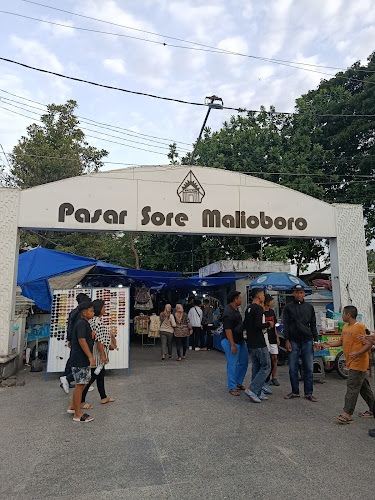
Pasar Sore Malioboro transforms the already energetic streets of Yogyakarta into an even more intriguing spectacle as afternoon melts into evening. This open-air flea market stretches along one of Indonesia’s most famous thoroughbares, creating a shopping experience that’s equal parts cultural immersion and treasure hunt. The name literally translates to “Malioboro Afternoon Market,” though honestly, most of the real action kicks off closer to evening when vendors set up their stalls and the heat of the day finally breaks.
What makes this market different from your typical tourist trap is how it manages to walk that fine line between serving visitors and maintaining its local character. Sure, you’ll find plenty of souvenir shops selling the usual batik shirts and keychains, but wander a bit deeper and you’ll discover vendors who’ve been selling their wares here for decades. I remember my first visit – I went looking for a simple t-shirt and ended up spending three hours just wandering through the maze of stalls, completely losing track of time as the evening call to prayer echoed through the streets.
The market sprawls across the sidewalks and spills into designated pedestrian areas, creating this organic flow of commerce that feels distinctly Indonesian. Unlike the sterile shopping experiences you might find in mall-dominated cities, Pasar Sore Malioboro pulses with an authentic energy that comes from real people making real livings. And yes, it can get crowded – sometimes uncomfortably so – but that’s part of what makes the experience memorable.
Key Features
The market offers several distinctive elements that set it apart from other shopping destinations in Yogyakarta:
• Traditional batik fabrics and clothing at prices that actually make sense for budget travelers, with some stalls run by families who’ve been in the batik business for generations
• An impressive selection of leather goods including bags, wallets, and sandals that range from obvious tourist quality to genuinely well-crafted pieces if you know where to look
• T-shirts with everything from political statements to pop culture references to designs that make absolutely no sense but somehow capture the quirky spirit of Indonesian street fashion
• Local artwork and handicrafts including wayang kulit (shadow puppets), wooden carvings, and traditional Javanese instruments for those wanting something more substantial than a fridge magnet
• Food carts positioned strategically throughout the market selling gudeg, angkringan fare, and sweet treats that provide much-needed energy for your shopping marathon
• Street performers and musicians who add an impromptu soundtrack to your browsing, making the experience feel less like shopping and more like attending a festival
• Restroom facilities that are surprisingly accessible for a street market, which any seasoned traveler knows is worth its weight in gold
• A genuinely kid-friendly atmosphere where families shop together and children aren’t treated as nuisances but as future customers who need their own mini batik shirts
Best Time to Visit
The market officially operates in the afternoon and evening hours, but timing your visit right can mean the difference between a pleasant shopping experience and feeling like you’re in a sardine can. Most vendors begin setting up around 3 PM, though the market doesn’t really hit its stride until closer to 5 PM when the sun starts losing its intensity.
From a seasonal perspective, the dry season between May and September offers the most comfortable shopping conditions. But here’s the thing – Pasar Sore Malioboro happens rain or shine, and I’ve actually found that visiting during light rain can work in your favor. Fewer tourists means better prices and more patient vendors willing to actually chat rather than just make a quick sale.
Weekdays are generally less chaotic than weekends, particularly Tuesday through Thursday. If you visit on a weekend, you’ll be sharing the space with Indonesian families from surrounding areas who come specifically for the market atmosphere. This adds authenticity but also adds crowds.
The sweet spot, in my experience, is arriving around 4:30 PM on a weekday. You’ll catch vendors who are set up but not yet swamped with customers, the light is perfect for examining fabric quality and colors, and you’ve got several hours before things wind down around 9 or 10 PM. The later you stay, the more negotiable prices become as vendors start thinking about packing up for the night.
Avoid major Indonesian holidays unless you enjoy crowds that turn browsing into a contact sport. The market gets absolutely packed during Lebaran (Eid) celebrations and school holiday periods when domestic tourism peaks.
How to Get There
Getting to Pasar Sore Malioboro is refreshingly straightforward since the market occupies Jalan Malioboro itself, which is basically the main artery of Yogyakarta’s tourist district. Most travelers staying in Yogyakarta are already within walking distance, though the definition of “walking distance” varies depending on your heat tolerance and how much you enjoy dodging motor scooters.
From Yogyakarta’s Tugu train station, the market is literally a 10-minute walk south down Jalan Malioboro. You can’t really miss it – just follow the crowds and the increasing density of vendors. This makes Pasar Sore Malioboro particularly convenient if you’re arriving in Yogyakarta by train and want to jump straight into the local experience.
Trans Jogja buses serve the area extensively, with several routes stopping near the market. The fare is ridiculously cheap, though buses can get packed during rush hours. Look for routes 1A, 1B, 2A, or 3A depending on where you’re coming from.
Becak drivers (those traditional bicycle rickshaws) congregate around the market’s periphery and can provide transport from most central locations. Agree on the price before you start moving – and I mean really agree, write it down if necessary, because “misunderstandings” about fares are common. Figure around 20,000 to 30,000 rupiah for trips within the central tourist area.
Ride-hailing apps like Gojek and Grab work perfectly well here, offering the most hassle-free option for travelers who’d rather not negotiate or navigate public transport. Just be aware that drivers sometimes have trouble pinpointing exact pickup locations due to the area’s pedestrian zones and one-way streets.
If you’re staying at hotels near the Kraton (Sultan’s Palace) or in the Prawirotaman neighborhood, walking is genuinely your best option. The journey takes you through interesting parts of the city, and you’ll pass other markets and food stalls along the way.
Tips for Visiting
Shopping at Pasar Sore Malioboro requires a different mindset than clicking “add to cart” on your favorite shopping app. Success here means preparation, patience, and a willingness to engage in the age-old dance of negotiation.
Bring cash, and I mean lots of it in small denominations. While some vendors have adopted mobile payment systems, the majority operate on a cash-only basis. Having exact change or close to it prevents the “oh, I don’t have change” excuse that sometimes inflates prices. ATMs line Jalan Malioboro, but they charge fees and can run out of cash during busy periods.
Bargaining isn’t just expected – it’s part of the experience. Initial prices are often inflated by 50% or more, particularly for obvious tourists. Start by offering 40-50% of the asking price and work toward a middle ground. But here’s what nobody tells you: the best negotiating tool isn’t aggressive haggling, it’s being genuinely friendly and showing interest in the vendor’s life. I’ve gotten better prices by asking about someone’s family than by pretending to walk away.
Wear comfortable shoes because you’ll be standing and walking on uneven pavement for hours. Those cute sandals that looked perfect in your hotel mirror? They’ll be torture devices by hour two. Also, dress modestly if you want to be taken seriously. Tank tops and short shorts mark you as someone who probably hasn’t done their homework about Indonesian culture.
Quality varies dramatically, so examine everything carefully before purchasing. Check stitching on bags, look for irregular dyeing on batiks, and test zippers multiple times. Some vendors sell genuinely high-quality goods while others peddle stuff that’ll fall apart before you get home. And those “antique” items? Yeah, they were probably made last month in a workshop behind someone’s house.
Visit multiple stalls before committing to a purchase. The market is competitive, and vendors know it. Walking around helps you understand fair pricing and occasionally you’ll find identical items at wildly different prices. I once saw the same batik shirt priced at 150,000 rupiah at one stall and 80,000 rupiah three stalls away.
Keep your belongings secure because pickpockets do operate in crowded areas. Don’t carry your passport unless absolutely necessary, and keep your phone and wallet in front pockets or a crossbody bag you can monitor. Most visitors have zero problems, but why tempt fate?
Try engaging vendors in conversation beyond just price negotiation. Many speak decent English and have fascinating stories about their businesses, families, and perspectives on the tourism industry. These conversations have given me more memorable travel moments than any purchase ever could.
Don’t be afraid to walk away if something feels off or if a vendor becomes too pushy. The market is huge with hundreds of stalls – you’ll find what you need somewhere else. And sometimes walking away actually brings vendors back with better offers, though that shouldn’t be your primary strategy.
Bring a reusable bag for your purchases because environmental consciousness is slowly catching on, and you’ll look more seasoned and less like someone on their first market visit. Plus, juggling multiple plastic bags while trying to browse more stalls is genuinely annoying.
The market’s proximity to food carts means you should come hungry or at least leave room for snacks. Some of Yogyakarta’s best street food happens right here, and shopping on an empty stomach makes you grumpy and less effective at negotiation.
 Real Journey Travels