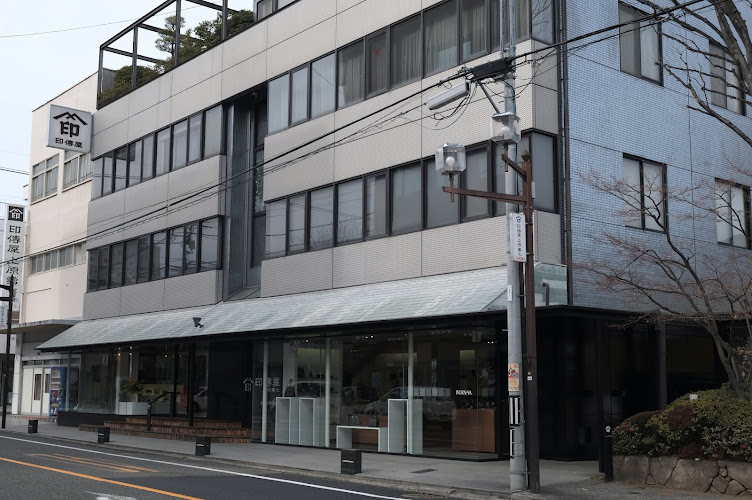
Located in Kofu, Yamanashi, the museum sits where the craft’s past meets a quietly industrious present — part factory, part exhibition space, part living workshop. Rather than a glossy, hands-off display of artifacts, the site emphasizes process: tools, raw hides, lacquer in various stages, and finished wallets, belts, and small accessories that still carry the distinctive burnished sheen of Inden workmanship.
Visitors find the museum both museum and maker: machines and hand tools are displayed alongside explanation panels, and in many cases craftspeople can be observed at work. The tone of the place is unpretentious. It doesn’t try to dazzle with flashy multimedia; instead it invites attention to texture, smell, and time. That scent — a mix of tatami, wood polish, and lacquer — tends to linger in the memory. A lot of travelers expect a sterile historic reenactment; what they get instead is a working insight into how a regional craft stays relevant in a modern economy.
In practical terms, the Indenya Ueharayushichi Inden Museum caters to curious travelers who like to pair cultural learning with tangible souvenirs. The exhibits explain the origin of deerskin use in the area, detail the specific lacquer techniques that give Inden its waterproof, glossy finish, and highlight the local history of craft families who have passed skills down through generations. This is not a place to rush through: the museum rewards slow viewing, close inspection, and questions asked of the staff. For people who appreciate handicraft, the experience is quietly rich and surprisingly intimate.
One of the museum’s quieter strengths is its candidness about adaptation. Panels and displays discuss how makers adapted materials and market strategies through industrialization and wartime scarcity. This context ties the objects on display to real economic and social choices. In short, it reads like a story: skins prepared, lacquers layered, patterns pressed, and then the item pressed into everyday use in a person’s pocket. The story is long, and visitors become part of the latest chapter just by showing up.
Best Time to Visit
The best time to visit is when museum hours align with the artisan schedule — mid-morning to early afternoon on weekdays often offers the best chance to see hands-on work. Summers can be warm inside the workshop spaces because lacquer and drying processes sometimes require controlled environments; for that reason, cooler months offer a more comfortable viewing experience.
Seasonally, autumn in Yamanashi gives the extra bonus of nearby foliage viewing, so a museum trip can be paired with short strolls around the city. Spring, when local streets host small festivals and markets, is also a fine time because artisans sometimes bring extra pieces or special editions to sell. Winters are quieter; there’s less foot traffic, and someone who prefers a slow, uninterrupted look at technique might prefer those months. On weekends the place tends to draw families and local visitors, so expect a livelier atmosphere then.
Visitors who plan a day trip should check local event calendars in Kofu — occasional craft fairs or regional exhibitions can either enhance a visit or make transport and lodging busier than usual. In short: midweek and off-peak seasons deliver calm and the best chance for uninterrupted artisan viewing; weekends and festival periods deliver local flavor and livelier crowds.
How to Get There
Reaching the museum is straightforward for travelers based in Kofu or using Yamanashi as a base. From central Kofu, the museum is close enough for a short taxi ride or a relaxed walk depending on where a visitor is staying. Public transport options include local buses and nearby train stations; sightseeing buses and local routes frequently connect main transit hubs with cultural spots in the city. For those driving, on-site accessible parking is available, which is a convenient perk if carrying purchases back to a car.
Many visitors combine a trip to this museum with other cultural stops in Kofu — it’s a compact city with approachable distances between attractions. International travelers who fly into Tokyo will usually take a regional train or highway bus to Kofu, then local transit or taxi to the museum. The museum’s compact size means it’s often a half- to full-hour stop in an urban sightseeing itinerary rather than a full-day destination, though enthusiasts will happily linger much longer.
Practical navigation tip: city maps and local tourist information centers can point out quieter streets and suggested walking routes that pass small shops selling complementary crafts. Those routes are more pleasant and sometimes reveal little workshops where related artisans produce textiles, ceramics, and woodworking — all interesting context for Inden work and useful for souvenir hunters who prefer authenticity over mass-produced goods.
Tips for Visiting
Plan and prioritize. Because the museum is compact and focused, visitors who arrive with a list of what they want to learn — whether it’s the lacquer process, tanning technique, or the history of patterns — will get more from the visit. The signage is informative but concentrated; asking staff a targeted question often opens up stories and small details not written on the walls.
Bring cash for small purchases. While some artisans accept cards, many small, onsite outlets still favor cash. Purchasing an item directly from the museum supports the makers and often yields a unique piece that won’t be found in larger urban shops. If a visitor is a collector looking for variations, it’s worth asking whether current stock includes limited designs or workshop-only editions.
Schedule early if demonstrations matter. If seeing lacquering or pattern-pressing demonstrations is a priority, aim for the earlier part of museum hours. Demonstrations are sometimes seasonal or depend on artisan availability, so patience and flexible timing pay off. And don’t be shy about asking whether a demonstration is planned that day — staff are used to curious visitors and often appreciate the interest.
Respect the workspace. This is a working environment; while photography may be allowed in some areas, other sections are restricted to protect craft secrets and safety. Quiet observation matters: artisans are often engaged in delicate, time-sensitive tasks. Visitors who keep noise low and hands to themselves will be rewarded with better access and more generous explanations.
Accessibility is thoughtfully considered. The museum provides a wheelchair accessible entrance, parking, and restroom, so travelers with mobility concerns will find it easier to navigate than many older craft sites. Still, if special accommodations are needed, contacting the museum ahead of time ensures staff can prepare and help a visit go smoothly.
Combine the visit with other nearby experiences. Since there’s no restaurant onsite, it’s smart to plan eating stops before or after the museum. Kofu’s small eateries and markets offer local seasonal flavors, so pairing craft appreciation with local cuisine makes a fuller day. A short walking loop after the museum often reveals quieter alleys with shop windows filled with regional goods — great for a relaxed souvenir hunt.
Lastly, slow down. The Indenya Ueharayushichi Inden Museum rewards slow attention. Those who rush through will miss the granular joy of watching a pattern emerge on a deerskin wallet, or the subtle gloss that develops over repeated lacquer layers. For many visitors, the highlight isn’t a single object but the sense of continuity — that this craft is not a relic but a living practice, adapted, preserved, and still quietly beautiful.
 Real Journey Travels