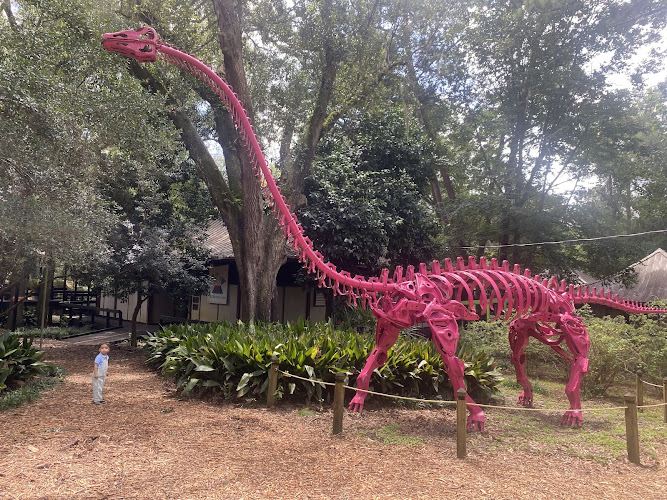
The Tallahassee Museum sits on a 52-acre lakeside site that blends natural history, cultural exhibits, and outdoor adventure into one surprisingly coherent outing. The property mixes living-history structures and period exhibits with native-wildlife habitats, nature trails that follow the waterline, and a well-known zip line experience for people who like a little adrenaline between the boardwalks and the birdcalls. It presents Florida history—old homes, a plantation house, and demonstrations of 19th-century life—alongside exhibits about native animals and ecosystems, so visitors get both the human story and the ecological story in a single visit.
What makes the place stand out is the way indoor and outdoor learning are stitched together. There are living exhibits where costumed interpreters sometimes perform, interactive demonstrations geared toward children, and scheduled animal encounters that bring conservation messages across without feeling like a lecture. The museum also stages live performances and seasonal events, so the experience changes through the year; if someone assumes it’s the same walk-about every time, they’ll be pleasantly surprised by how often there’s something new.
Practical side: onsite services include guided tours, a gift shop, a cafe and a restaurant, and basic visitor amenities like restrooms and stroller- and family-friendly facilities. Accessibility has been considered—there are wheelchair-accessible entrances, parking, and restrooms—so most visitors can navigate the grounds without a headache. Parking is free and plentiful, which in a small city is a genuine blessing. Admission is fee-based, and some special experiences like zip line tours require advance booking and may have separate charges.
Balance and expectations: the museum leans educational but it isn’t a hush-and-look historical house. People come for the animals and the outdoor trails as much as for the period buildings. The wildlife habitats spotlight native Florida species—think otters, birds of prey, and reptiles—presented in settings that emphasize conservation. Meanwhile, the historic structures and “old Florida” exhibits give context to the development of the region, from settlement patterns to plantation-era life. For families, it’s a place where hands-on learning and fresh air combine into a single plan for a half- or full-day visit.
Some visitors will find certain exhibits evocative and richly detailed; others might feel a few spots could be refreshed or expanded. That’s the nature of a place that juggles living history and outdoor animal care—update cycles are slower than a techie exhibit downtown. Still, when the weather cooperates and the birds are out, the museum’s lakeside views and shaded trails make for a calming backdrop to learning and exploration. And yes, the zip line adds a dimension not typical of many natural-history sites: one minute you’re reading about how the land was used, the next you’re sailing over the trees. That juxtaposition is oddly delightful.
Key Features
- 52-acre lakeside grounds combining nature trails with period historic exhibits and scenic overlooks
- Native wildlife habitats showcasing Florida animals and conservation messaging
- Living-history buildings, including a plantation-era house and reconstructed 19th-century structures
- Zip line tours for an adventurous aerial view across the canopy and lake
- Educational programming with live performances, guided tours, and scheduled animal demonstrations
- Family amenities: cafe and restaurant options, gift shop, restrooms, and changing tables for small children
- Accessibility features: wheelchair-accessible entrance, parking, and restrooms
- Free on-site parking and on-street parking availability
- Opportunities to combine nature, culture, and light adventure into one visit
Best Time to Visit
Timing a visit matters. The clearest windows are the cooler months—late fall through early spring—when temperatures are milder, bugs are fewer, and walking the trails is comfortable for most people. Spring brings wildflowers and nesting birds, so birdwatchers and photographers enjoy that season; fall offers softer light and generally pleasant days. Summers are hot and humid in this part of Florida, and afternoon thunderstorms are common, so plan either early-morning hours or later afternoons with brief indoor breaks.
Weekdays usually mean smaller crowds, especially outside of school breaks. Weekends and event days can be busy—special family events, seasonal demonstrations, or live performances draw larger groups—so if someone prefers a quieter stroll, midweek mornings are the sweet spot. For families with children, schedule around animal feedings and live-demonstration times (check the museum’s daily schedule before you go) to make the most of interactive moments that kids remember.
Zip line fans should be aware that tours are weather-dependent and often fill up. Booking in advance is sensible, and early time slots can mean less heat and more stable conditions. Finally, if one wants the best light for photos, aim for late afternoon, though that can coincide with crowd peaks; mornings give calm reflections on the lake without as many people in the frame.
How to Get There
The Tallahassee Museum is located within a short drive of downtown Tallahassee and the state capital area, making it easy to add to a city itinerary. Driving is the most straightforward option—there is on-site parking available at no extra cost. Public transit options are limited for those who prefer not to drive, so plan rideshares or rental-car arrangements if needed.
Navigation is simple for anyone using GPS or a map app—search for the museum by name, and the route will take you along the main corridors out of the city toward the museum’s green, lakeside grounds. Accessibility-minded visitors will find designated accessible parking lots and routes from the parking areas to the main entrance; drop-off zones are available for guests with mobility concerns. For cyclists or people who like longer walks, the grounds are reachable from nearby neighborhoods, but bring water: Florida sun and long walks do not mix well without hydration.
Once on site, most of the key exhibits and trails are connected by well-marked paths. Some segments are boardwalks overlooking wetlands, and others are shaded forest trails; comfortable walking shoes are recommended because the terrain can vary. If driving from farther afield—state highways and the regional airport are all within a reasonable drive—the museum makes for a pleasant day trip or a half-day stop between other Tallahassee attractions.
Tips for Visiting
Practical tips can turn a good visit into a great one. Here are tried-and-true suggestions that save time, money, and energy.
- Buy tickets and reserve special experiences ahead of time. Zip line tours and some guided programs often require advance booking.
- Arrive early, especially during warm months. Early arrivals mean cooler temperatures, better light for photos, and calmer animal activity. Midday can be hot and busy.
- Plan for 2–4 hours for a solid visit; add extra time if taking a zip line tour or attending multiple live demonstrations.
- Wear comfortable shoes. Some paths are boardwalks, some are loose-packed trails. Strollers are workable in many areas but can be tight in historic buildings.
- Bring insect repellent and sun protection. Even shady trails can host mosquitoes; sunscreen and hats are worth it. Hydrate frequently—there are cafe options but it’s smart to carry a refillable water bottle.
- Check the daily schedule on the day of the visit. Animal encounters, feedings, or live performances have set times; planning around them maximizes engagement for kids and adults alike.
- Pack a picnic if desired. While there are onsite food options, having snacks on hand can be handy between exhibits or before an afternoon zip line.
- Respect animal viewing rules. Habitats may have viewing limits or specific distances to preserve animal welfare. Flash photography or feeding animals is not allowed in most cases.
- Use the gift shop for local-themed souvenirs or educational materials. If someone wants a memory to take home, the shop typically stocks books, toys, and locally made items related to the museum’s themes.
- Take advantage of accessibility features. If mobility is a concern, call ahead to ask about current accommodations and easiest routes through the site.
- Plan for changing weather. Florida can go from sunny to stormy in an hour. A lightweight rain jacket stashed in a bag is often a small heroic move.
- If visiting with children, build in downtime. There are shady picnic spots and benches; a short break makes the outing enjoyable for younger visitors and keeps the pace relaxed.
Finally, allow some improvisation. The museum’s charm is partly in its unscripted moments: a raptor flying during a demonstration, a heron standing on the lakeshore, or a costumed interpreter explaining a domestic chore from another century. Those unplanned glimpses are often the ones that stick, long after the facts and dates are forgotten. So wander a bit, slow down, and let the place do its work. It’s good for the brain, and for the soul—well, that sounds dramatic but people often leave lighter and a little more curious about the intersection of Florida’s natural and cultural histories.
 Real Journey Travels