
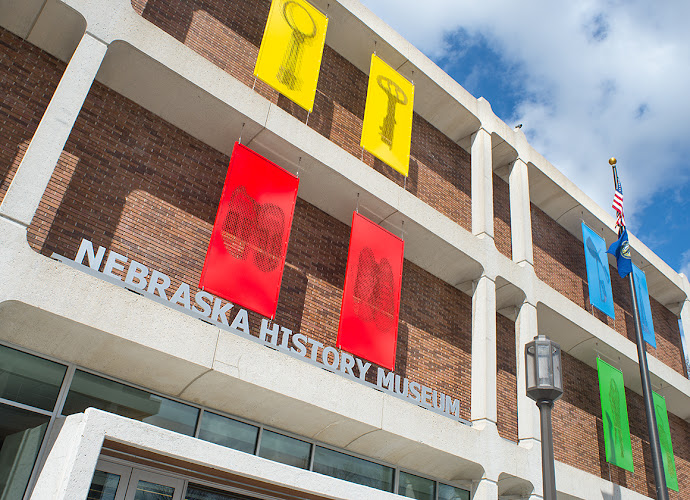
Nebraska History Museum
About Nebraska History Museum
Description
The Nebraska History Museum is the dependable, slightly quirky keeper of the state's past in downtown Lincoln. For decades it has served as the public face of Nebraska history, collecting artifacts, telling stories and staging exhibits that range from early Native American lifeways to agricultural innovation, from military service to unexpected pop-culture moments that shaped local life. It presents history in a way that is accessible — not dry — and includes a hands-on learning room where kids get messy, curious and loud in the best possible way.
The museum balances serious archival work with visitor-friendly displays. Permanent galleries anchor a narrative about the people, lands and events that shaped Nebraska while rotating exhibits change the conversation frequently, so repeat visits are rewarded. Docent-led tours explain oddball objects and the backstory of the state historical society’s collections; these tours often reveal small treasures that do not make it into every exhibit, like handwritten letters, kitchen tools from early homesteads, or a surprisingly ornate piece of frontier clothing.
Accessibility and family comfort get actual attention here: wheelchair accessible entrances and parking, wheelchair rental, accessible restrooms and changing tables are in place. There is free Wi-Fi for those who need to check a photo, pull up a timeline or simply look up one more thing they suddenly want to know. A modest gift shop offers books, local crafts and souvenirs that help carry a piece of the visit home. The museum charges admission, and discounts are available for children and active military, making it easier for families and veterans to plan a visit.
Visitors often praise the mix of big-picture themes and intimate artifacts. Some say the permanent collection gives a real sense of how people lived and worked across Nebraska’s changing landscape, while others come away itching to dig into a specific topic after seeing a single object or panel. It’s the kind of place that encourages questions: who made this, why did it matter then and why should people care now. For travelers who want to understand Nebraska beyond the highway rest stops, the museum is a compact, efficient primer.
Key Features
- Extensive collections of cultural artifacts and historical objects spanning Nebraska’s past
- Permanent and rotating exhibits that cover Native American history, settlement, agriculture, military history and regional culture
- Hands-on learning room designed for children and families with interactive, educational activities
- Guided tours offered on-site led by knowledgeable docents and historians
- Wheelchair accessible entrance, parking, restrooms and wheelchair rental available
- Family-friendly amenities including changing tables and kid discounts on admission
- Active military discounts for eligible visitors
- Paid parking options nearby including garages and street parking; convenient for short visits
- Onsite gift shop with books, regional crafts and thematic souvenirs
- Free Wi-Fi to help visitors enhance their experience with additional context and images
Best Time to Visit
Timing a museum visit is part art, part logistics. For quieter galleries and a more leisurely experience, weekdays—especially mid-morning shortly after opening—are ideal. Families with school-age kids and day-trippers often arrive mid-afternoon or on weekends, so if one wants space to read labels, linger over displays or time a docent tour, aim for a weekday visit.
Seasonally, spring and early fall tend to be pleasant in Lincoln, and those months see fewer tourism crowds than summer. Summer brings more visitors from out of state, but also expanded programming and family activities, which can be a plus if traveling with children. Winter can be a good time for a focused indoor day: fewer crowds, easier parking and the chance to pair the museum with other indoor attractions downtown.
Special exhibits rotate, so it’s worth checking the museum’s calendar before traveling if there is a particular topic of interest. Traveling exhibit runs, anniversary displays or community-focused installations can make a visit feel especially timely. And for history buffs, timed special events—behind-the-scenes tours, curator talks or artifact spotlight sessions—add layers you won’t get on a casual walk-through.
How to Get There
The museum sits within Lincoln’s cultural and civic corridor, making it easy to combine with other downtown stops. Most travelers arrive by car: there are paid parking garages and metered street parking within a short walk. Expect downtown parking to be busiest mid-day during the week and weekends, so allow a few extra minutes for a spot. Rideshare services and taxis drop off nearby, which is handy if someone in the party prefers not to navigate parking.
Public transit links serve downtown Lincoln, and walking is practical if staying at a nearby hotel or visiting adjacent attractions like the state capitol or green spaces. The museum’s central location means it is often paired with walking itineraries; travelers can plan a short cultural loop and grab lunch at a local eatery afterward since the museum does not have an onsite restaurant.
For visitors coming from farther afield, the museum is straightforward to reach from the major highways that feed into Lincoln. Car rentals, regional buses or flights into the nearest airport make the city accessible as a midwest hub. Once in town, signage around the civic center is clear and helpful, so the last leg of the trip tends to be easy even for first-time visitors.
Tips for Visiting
Plan for 1.5 to 2.5 hours. The museum is compact enough to enjoy in a single afternoon, yet rich enough that a curious visitor could easily spend half a day. If a family has energetic kids, allot extra time for the hands-on learning room and comfortable breaks.
Buy tickets and book tours in advance when possible. Popular docent-led tours and special events can fill up, especially during school vacation weeks and special exhibition openings. Reserving a spot guarantees a seat and often a more in-depth experience.
Ask the staff about hidden gems. Docents and museum staff love to tell stories about odd artifacts and unexpected details—things that don’t make the big exhibit labels but make history feel alive. A quick question at the front desk can lead to a fifteen-minute anecdote that will stick with the visitor long after the trip.
Take advantage of accessibility services. The museum genuinely tries to accommodate mobility needs, and wheelchair rental or an accessible route can be arranged at the desk. Families with small children will appreciate the changing tables and kid-friendly programming; pack a compact stroller if needed, but know that some galleries are intimate and can feel crowded with large prams during busy periods.
Keep camera etiquette in mind. Photography is often allowed in public galleries but flash and tripods are typically restricted to protect artifacts. If a traveler wants professional shots or a special photoshoot, it’s best to call ahead and clarify the policy.
Pace food and restroom breaks. Because there is no onsite restaurant, planning a nearby lunch is smart. The museum has restrooms and places to regroup; this matters for families and older visitors who prefer shorter walking distances between stops.
Combine this visit with other local history stops. Many visitors pair a museum trip with a visit to the state capitol, nearby memorials, or neighborhood historical sites. Creating a small, connected itinerary helps make a day in Lincoln feel cohesive and efficient.
Budget for souvenirs that support local history. The gift shop stocks titles by Nebraska authors, regional photography, and locally made keepsakes that support museum programming. Buying a book or a small item helps sustain the institution and also gives travelers a portable way to continue the conversation about Nebraska history at home.
Expect a human-scale museum experience. This is not a cavernous metropolis museum where one can get comfortably lost for a week. It’s an accessible, thoughtfully curated place where people leave with new questions, a few memorable artifacts in their heads and a better sense of the region’s past. Some visitors want more interactive tech, others appreciate the straightforward object-driven storytelling. The museum tends to satisfy both groups by rotating displays and mixing hands-on content with traditional exhibits.
Lastly, take a moment to listen. Some of the most affecting parts of a visit are the small audio clips, recorded oral histories or personal letters on display. Those tiny windows into everyday lives often make the largest impression, surprising travelers with how instantly relatable a 19th-century diary or a 20th-century oral recording can feel.
Key Features
- Extensive collections of cultural artifacts and historical objects spanning Nebraska’s past
- Permanent and rotating exhibits that cover Native American history, settlement, agriculture, military history and regional culture
- Hands-on learning room designed for children and families with interactive, educational activities
- Guided tours offered on-site led by knowledgeable docents and historians
- Wheelchair accessible entrance, parking, restrooms and wheelchair rental available
- Family-friendly amenities including changing tables and kid discounts on admission
- Active military discounts for eligible visitors
- Paid parking options nearby including garages and street parking; convenient for short visits
More Details
Updated August 29, 2025
Table of Contents
Description
The Nebraska History Museum is the dependable, slightly quirky keeper of the state’s past in downtown Lincoln. For decades it has served as the public face of Nebraska history, collecting artifacts, telling stories and staging exhibits that range from early Native American lifeways to agricultural innovation, from military service to unexpected pop-culture moments that shaped local life. It presents history in a way that is accessible — not dry — and includes a hands-on learning room where kids get messy, curious and loud in the best possible way.
The museum balances serious archival work with visitor-friendly displays. Permanent galleries anchor a narrative about the people, lands and events that shaped Nebraska while rotating exhibits change the conversation frequently, so repeat visits are rewarded. Docent-led tours explain oddball objects and the backstory of the state historical society’s collections; these tours often reveal small treasures that do not make it into every exhibit, like handwritten letters, kitchen tools from early homesteads, or a surprisingly ornate piece of frontier clothing.
Accessibility and family comfort get actual attention here: wheelchair accessible entrances and parking, wheelchair rental, accessible restrooms and changing tables are in place. There is free Wi-Fi for those who need to check a photo, pull up a timeline or simply look up one more thing they suddenly want to know. A modest gift shop offers books, local crafts and souvenirs that help carry a piece of the visit home. The museum charges admission, and discounts are available for children and active military, making it easier for families and veterans to plan a visit.
Visitors often praise the mix of big-picture themes and intimate artifacts. Some say the permanent collection gives a real sense of how people lived and worked across Nebraska’s changing landscape, while others come away itching to dig into a specific topic after seeing a single object or panel. It’s the kind of place that encourages questions: who made this, why did it matter then and why should people care now. For travelers who want to understand Nebraska beyond the highway rest stops, the museum is a compact, efficient primer.
Key Features
- Extensive collections of cultural artifacts and historical objects spanning Nebraska’s past
- Permanent and rotating exhibits that cover Native American history, settlement, agriculture, military history and regional culture
- Hands-on learning room designed for children and families with interactive, educational activities
- Guided tours offered on-site led by knowledgeable docents and historians
- Wheelchair accessible entrance, parking, restrooms and wheelchair rental available
- Family-friendly amenities including changing tables and kid discounts on admission
- Active military discounts for eligible visitors
- Paid parking options nearby including garages and street parking; convenient for short visits
- Onsite gift shop with books, regional crafts and thematic souvenirs
- Free Wi-Fi to help visitors enhance their experience with additional context and images
Best Time to Visit
Timing a museum visit is part art, part logistics. For quieter galleries and a more leisurely experience, weekdays—especially mid-morning shortly after opening—are ideal. Families with school-age kids and day-trippers often arrive mid-afternoon or on weekends, so if one wants space to read labels, linger over displays or time a docent tour, aim for a weekday visit.
Seasonally, spring and early fall tend to be pleasant in Lincoln, and those months see fewer tourism crowds than summer. Summer brings more visitors from out of state, but also expanded programming and family activities, which can be a plus if traveling with children. Winter can be a good time for a focused indoor day: fewer crowds, easier parking and the chance to pair the museum with other indoor attractions downtown.
Special exhibits rotate, so it’s worth checking the museum’s calendar before traveling if there is a particular topic of interest. Traveling exhibit runs, anniversary displays or community-focused installations can make a visit feel especially timely. And for history buffs, timed special events—behind-the-scenes tours, curator talks or artifact spotlight sessions—add layers you won’t get on a casual walk-through.
How to Get There
The museum sits within Lincoln’s cultural and civic corridor, making it easy to combine with other downtown stops. Most travelers arrive by car: there are paid parking garages and metered street parking within a short walk. Expect downtown parking to be busiest mid-day during the week and weekends, so allow a few extra minutes for a spot. Rideshare services and taxis drop off nearby, which is handy if someone in the party prefers not to navigate parking.
Public transit links serve downtown Lincoln, and walking is practical if staying at a nearby hotel or visiting adjacent attractions like the state capitol or green spaces. The museum’s central location means it is often paired with walking itineraries; travelers can plan a short cultural loop and grab lunch at a local eatery afterward since the museum does not have an onsite restaurant.
For visitors coming from farther afield, the museum is straightforward to reach from the major highways that feed into Lincoln. Car rentals, regional buses or flights into the nearest airport make the city accessible as a midwest hub. Once in town, signage around the civic center is clear and helpful, so the last leg of the trip tends to be easy even for first-time visitors.
Tips for Visiting
Plan for 1.5 to 2.5 hours. The museum is compact enough to enjoy in a single afternoon, yet rich enough that a curious visitor could easily spend half a day. If a family has energetic kids, allot extra time for the hands-on learning room and comfortable breaks.
Buy tickets and book tours in advance when possible. Popular docent-led tours and special events can fill up, especially during school vacation weeks and special exhibition openings. Reserving a spot guarantees a seat and often a more in-depth experience.
Ask the staff about hidden gems. Docents and museum staff love to tell stories about odd artifacts and unexpected details—things that don’t make the big exhibit labels but make history feel alive. A quick question at the front desk can lead to a fifteen-minute anecdote that will stick with the visitor long after the trip.
Take advantage of accessibility services. The museum genuinely tries to accommodate mobility needs, and wheelchair rental or an accessible route can be arranged at the desk. Families with small children will appreciate the changing tables and kid-friendly programming; pack a compact stroller if needed, but know that some galleries are intimate and can feel crowded with large prams during busy periods.
Keep camera etiquette in mind. Photography is often allowed in public galleries but flash and tripods are typically restricted to protect artifacts. If a traveler wants professional shots or a special photoshoot, it’s best to call ahead and clarify the policy.
Pace food and restroom breaks. Because there is no onsite restaurant, planning a nearby lunch is smart. The museum has restrooms and places to regroup; this matters for families and older visitors who prefer shorter walking distances between stops.
Combine this visit with other local history stops. Many visitors pair a museum trip with a visit to the state capitol, nearby memorials, or neighborhood historical sites. Creating a small, connected itinerary helps make a day in Lincoln feel cohesive and efficient.
Budget for souvenirs that support local history. The gift shop stocks titles by Nebraska authors, regional photography, and locally made keepsakes that support museum programming. Buying a book or a small item helps sustain the institution and also gives travelers a portable way to continue the conversation about Nebraska history at home.
Expect a human-scale museum experience. This is not a cavernous metropolis museum where one can get comfortably lost for a week. It’s an accessible, thoughtfully curated place where people leave with new questions, a few memorable artifacts in their heads and a better sense of the region’s past. Some visitors want more interactive tech, others appreciate the straightforward object-driven storytelling. The museum tends to satisfy both groups by rotating displays and mixing hands-on content with traditional exhibits.
Lastly, take a moment to listen. Some of the most affecting parts of a visit are the small audio clips, recorded oral histories or personal letters on display. Those tiny windows into everyday lives often make the largest impression, surprising travelers with how instantly relatable a 19th-century diary or a 20th-century oral recording can feel.
Key Highlights
- Extensive collections of cultural artifacts and historical objects spanning Nebraska’s past
- Permanent and rotating exhibits that cover Native American history, settlement, agriculture, military history and regional culture
- Hands-on learning room designed for children and families with interactive, educational activities
- Guided tours offered on-site led by knowledgeable docents and historians
- Wheelchair accessible entrance, parking, restrooms and wheelchair rental available
- Family-friendly amenities including changing tables and kid discounts on admission
- Active military discounts for eligible visitors
- Paid parking options nearby including garages and street parking; convenient for short visits
Location
Places to Stay Near Nebraska History Museum
Find and Book a Tour
Explore More Travel Guides
No reviews found! Be the first to review!
Traveler Reviews for Nebraska History Museum
There are no reviews yet. Be the first one to write one.
Have you visited Nebraska History Museum? Help other travelers by sharing your review.
You Might Also Like
Hazel Abel
Lincoln Historic Site
Nebraska Statehood Memorial Historical Marker
Find Accommodations Nearby
Recommended Tours & Activities
Visitor Reviews
There are no reviews yet. Be the first one to write one.
Share Your Experience
Have you visited Nebraska History Museum? Help other travelers by leaving a review.