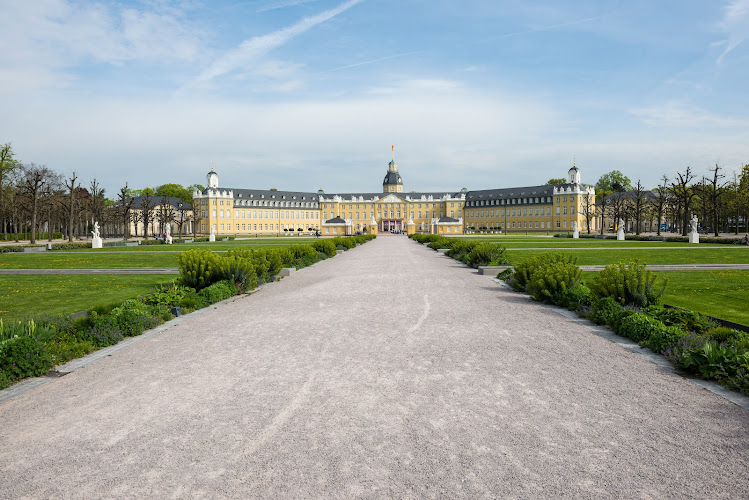
It traces life in Baden from Roman settlements through the Middle Ages, the early modern courts, industrial change and on to the complex cultural landscape of today. The palace itself—the rooms, staircases and a modest tower—feels like part of the exhibit: visitors move through lavish historical spaces that once hosted dukes, while encountering everyday objects, works of art, archaeological finds and well-curated displays that anchor the past to the present.
Exhibitions are arranged to be both chronological and thematic, which helps newcomers and repeat visitors find fresh angles on the same material. Permanent displays cover key eras—Roman artefacts and burial finds that point to long-settled trade routes; medieval liturgical objects and armor; early modern court art and decorative pieces that reveal how taste and power mixed in Baden; plus rooms focused on the 19th and 20th centuries where industrial, social and cultural shifts are illustrated with objects, photographs and oral-history excerpts. Special exhibitions rotate regularly, often spotlighting local artists, heritage projects, or themed loans from larger European institutions.
There’s a pleasing mix of serious scholarship and approachable storytelling. Labels are concise but informative, touchscreens appear where context helps, and models or reconstructions make ancient technology and household life more than dry facts. Families are welcomed: interactive zones and kid-friendly explanations pop up in the right places, making it a better experience than the stiff museum visit some people dread. Accessibility is solid: the museum features a wheelchair-accessible entrance, accessible parking and restrooms—small things that matter hugely when one’s got a stroller or mobility concerns.
That said, the museum is not perfect. Some rooms feel denser with objects than others, and a visitor who prefers broad sweeping narratives over deep object-by-object study might find a few areas slow going. But overall the State Museum of Baden is a thoughtful blend of regional pride and sound museology, offering both a local lens and occasional unexpected international connections. The palace setting gives the whole visit a theatrical quality—one day it’s about Roman coins, the next about porcelain cabinets—yet the building never overshadows the collection; it frames it. On one visit the writer remembers stumbling into a tiny room of textile samples and unexpectedly staying twenty minutes because the colors and handwritten labels were oddly absorbing. Little moments like that happen here.
Key Features
- Compact museum shop with locally themed souvenirs and publications for further reading.
- Impressive collection strengths: archaeology, courtly arts, cultural history objects and decorative arts.
Best Time to Visit
The best time to visit is when the museum feels pleasantly uncrowded—weekday mornings and late afternoons during the shoulder seasons of spring and autumn. Those months are long-time favorites: milder weather makes the walk to the palace more enjoyable and the light on the façade is nicer for photos. Summers can be busy because Karlsruhe is a popular regional destination, and weekend afternoons often draw families and groups, which is fine if that’s the vibe one wants; it just means more time at popular displays. Winter has its own charm—fewer visitors and cozy indoor galleries—but do expect shorter daylight and potentially chillier courtyard spaces.
Special exhibitions have specific run dates and can draw big crowds, so if one is chasing a particular show, booking a slot (if offered) or arriving early on an off-peak weekday is wise. Museum events—lectures, family days or themed tours—often happen on weekends or one evening a month; those are great if someone wants a deeper experience or a chance to chat with curators, but expect a livelier atmosphere.
How to Get There
The State Museum of Baden sits close enough to the city center that many visitors choose to walk from central Karlsruhe—for those who like a short urban stroll, this is pleasant and clears the head before entering the galleries. Public transport options are straightforward: local trams and buses serve the area and drop visitors within easy walking distance. For travelers arriving by train, a short tram or bus ride from Karlsruhe Hauptbahnhof typically does the trick, or a 15–25 minute walk depending on pace and luggage.
Drivers will find accessible parking on site, including wheelchair-accessible parking spots, which is a bonus for those with mobility needs or families hauling gear. The museum’s entrance is designed to be accessible; elevators and ramps serve the main public routes so that visitors do not have to choose between certain floors. Cyclists are also common—Karlsruhe is bike-friendly—and there are usually bike racks in the nearby square. In short: whether one prefers walking, tram, car or bike, getting to the palace is flexible and uncomplicated.
Tips for Visiting
Plan about two to three hours for a relaxed visit. That gives time to absorb the permanent exhibitions, take a break at the restaurant and squeeze in a rotating show without rushing. If someone is especially interested in archaeology or decorative arts, they might budget more time—some cabinets and vitrines reward slow viewing.
Purchase tickets in advance on busy days if online booking is offered. Guided tours are worth it for context—curators tend to weave stories and details that labels can’t fit. Audio guides can be a good middle ground if one prefers to wander independently while still getting expert commentary.
Photography is often permitted in non-flash mode in many rooms but policies can vary between permanent and special exhibitions, so one should look for signage or ask at the information desk—this avoids awkward moments. Cloakroom facilities or lockers may be available for large bags; carry-on backpacks can be cumbersome in tight gallery spaces and useful to stow.
Families: the museum is good for kids—there are interactive spots and child-friendly explanations—so bring a flexible plan. Little legs will tire, so scheduling a snack break at the museum restaurant or in a nearby park helps keep everyone happy. Speaking from experience, a small notebook and pencil do wonders for curious kids; they sketch artifacts and that keeps them engaged.
Accessibility: the museum has wheelchair-friendly access and restrooms, but during festivals or very busy exhibition openings it can still feel crowded. If accessibility is a primary concern, calling ahead on the intended visit day to confirm elevator availability or to learn about quieter entrances is sensible. Staff are usually helpful and will make accommodations where possible.
Combine the visit with nearby attractions. The palace setting and surrounding district have other cultural spots and pleasant streets for wandering—so if time allows, leave room for a slow afternoon. And if someone is short on time, prioritize a permanent exhibition room, then the special show; that tends to yield the richest sense of the museum without overloading the schedule.
Practicalities: wear comfortable shoes (the palace has some stone floors and staircases), keep a bottle of water handy (the cafe is great but can be busy), and pick up the museum map early—having it in hand helps navigate thematic routes and highlights. Finally, don’t rush the little rooms. The State Museum of Baden is exactly the kind of place where a tiny label about a maker or a handwritten note on a textile can unexpectedly illuminate a whole historical moment. Slow down a little; it’s worth it.
 Real Journey Travels