
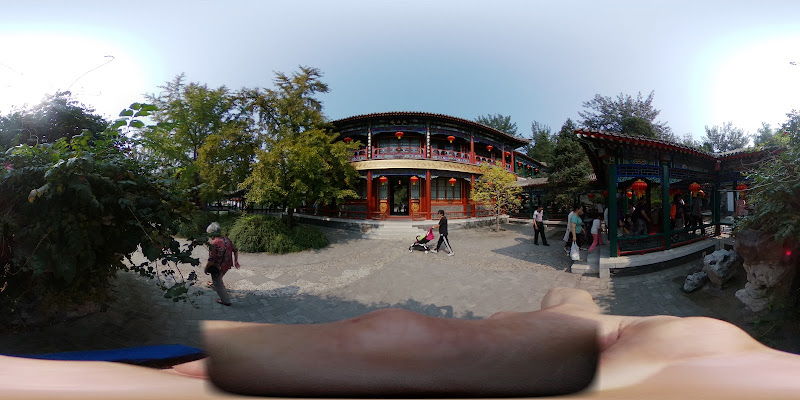
Zhuijinlou
About Zhuijinlou
Description
Zhuijinlou represents one of those architectural treasures that doesn't always make it into the standard tourist brochures, which honestly makes discovering it feel that much more rewarding. This traditional Chinese structure stands as a testament to centuries-old building techniques and cultural preservation, offering travelers a genuine glimpse into historical architecture that modern development hasn't completely swallowed up yet. The building itself commands attention through its distinctive multi-story design, which was pretty innovative for its time period. When you first lay eyes on it, there's something almost defiant about how it has stood against time and the elements. I remember reading somewhere that these fortified residential buildings were designed with both aesthetics and defense in mind, and you can really see that dual purpose reflected in every corner and corridor. What makes Zhuijinlou particularly fascinating is how it captures that balance between being a functional living space and a defensive stronghold. The thick walls and strategic positioning weren't just architectural choices - they told stories about the communities who built them and what they valued. Security, family unity, and communal living all played roles in shaping structures like this one. The craftsmanship on display here is genuinely impressive. We're talking about construction methods passed down through generations, where builders relied on techniques that didn't involve modern machinery or materials. Everything from the wooden framework to the stone foundations was carefully planned and executed by skilled craftspeople who understood their materials intimately.Key Features
Visitors exploring Zhuijinlou will encounter several distinctive elements that set this attraction apart: • Multi-tiered architectural design showcasing traditional Chinese building methods that have survived for generations • Fortified construction elements including reinforced walls and strategic defensive features built into the overall structure • Intricate wooden framework and joinery demonstrating masterful carpentry skills without relying on nails or modern fasteners • Interior courtyard spaces that served as communal gathering areas for extended families and clan members • Traditional decorative elements including carved wood details, painted surfaces, and symbolic ornamentation reflecting cultural beliefs • Preservation of original building materials allowing visitors to observe authentic construction techniques • Educational opportunities to understand the social structure and daily life of historical Chinese communities • Photography-worthy perspectives from multiple angles and levels throughout the structure • Comparative architectural elements showing evolution of design principles across different time periods • Quieter atmosphere compared to overcrowded mainstream tourist destinations in the regionBest Time to Visit
Timing your visit to Zhuijinlou can make a real difference in your overall experience, and this is where doing a bit of homework pays off. Spring months, particularly from March through May, offer some of the most comfortable conditions for exploring. The weather sits in that sweet spot where you're not roasting under intense summer heat or bundling up against winter cold. Plus, the surrounding landscape comes alive with new growth that adds an extra layer of beauty to your photographs. Autumn is another solid choice, running from September through November. The temperatures cool down to pleasant levels, and if you time it right, you might catch some stunning seasonal colors depending on what vegetation surrounds the site. I've always found that shoulder seasons bring out the best in historical sites because you're not fighting crowds while trying to appreciate the details. Summer can get quite hot and humid in this region, which makes wandering through a multi-story structure less enjoyable than you'd hope. But if summer is your only option, get there early in the morning - we're talking right when it opens. You'll beat both the heat and the tour groups that typically arrive mid-morning. Winter visits have their own charm, honestly. The crowds thin out considerably, which means you might have entire sections to yourself. There's something almost meditative about exploring ancient architecture in the quiet cold. Just dress appropriately and check ahead to confirm operating hours, since some attractions reduce their schedules during off-peak months. Weekdays generally offer a better experience than weekends, regardless of season. Local visitors tend to arrive in larger numbers on Saturdays and Sundays, which can impact your ability to take photos and absorb the atmosphere at your own pace.How to Get There
Getting to Zhuijinlou requires a bit more planning than hitting up major city attractions, but that's part of what keeps it from being overrun with tourists. The journey itself becomes part of the experience rather than just a means to an end. Most travelers will start from the nearest major city or transportation hub in the region. Public transportation options exist, though they might involve multiple connections depending on your starting point. Buses serve the area, but you'll want to confirm current schedules before you set out because routes and timing can shift seasonally or even weekly in less touristy regions. Hiring a private car or joining a small tour group offers more flexibility and comfort, especially if you're traveling with companions or have limited time. The roads leading to the site wind through countryside that's actually quite scenic, so the drive provides its own rewards. Having your own transportation also means you can explore at your own pace without worrying about catching the last bus back. If you're feeling adventurous and have solid navigation skills, renting a car might work well. Just be prepared for road conditions that differ from major highways - think narrower paths, occasional livestock, and signage that might challenge non-native speakers. Download offline maps ahead of time because mobile coverage can get spotty in more rural areas. Some visitors combine their trip to Zhuijinlou with other nearby attractions, which makes logistical sense and maximizes your travel time. Research what else sits within reasonable distance and consider creating a mini-circuit rather than making it a single-destination day trip. Language barriers can present challenges when navigating public transport or asking for directions. Having key phrases written down in Chinese or screenshots of your destination can save considerable frustration. Most locals are genuinely helpful when they understand where you're trying to go.Tips for Visiting
Walking through Zhuijinlou involves navigating multiple levels and sometimes steep stairs, so wear proper footwear - those cute but impractical sandals will make you miserable. Comfortable shoes with good grip matter more than you might think when you're climbing wooden stairs that have been worn smooth by countless footsteps over the years. Bring water and maybe some snacks, particularly if you're visiting during warmer months. Facilities near the site might be limited, and you don't want dehydration cutting your exploration short. That said, be respectful about where you eat and drink - consuming food inside the structure itself usually isn't appropriate. Lighting inside can be dim compared to modern buildings, which creates authentic atmosphere but challenges photography. If you're serious about capturing quality images, consider bringing a portable LED light or preparing your camera settings for low-light conditions. And please, use available light rather than flash when possible - it's better for preserving the materials and doesn't disturb other visitors. Respect any posted signs or barriers. These historical structures are fragile, and preservation depends on visitors following guidelines. Some areas might be off-limits for safety reasons or conservation purposes, and that's okay. You're there to appreciate what's accessible, not to touch everything or venture where you shouldn't. Take time to actually observe the details rather than rushing through with your camera constantly raised. I know it's tempting to photograph everything, but sometimes you absorb more by simply looking. Notice the joinery techniques, the wear patterns on floors that show where generations walked, the way natural light enters different spaces throughout the day. If guides or information panels are available, take advantage of them. Understanding the context - who built this, why they built it this way, how people lived here - transforms the experience from "looking at an old building" to genuinely connecting with history. Consider the cultural significance of what you're visiting. This isn't just an attraction; it represents someone's heritage and history. Behave accordingly - keep voices reasonably low, don't touch decorative elements, and think twice before posing for disrespectful photos. Check weather forecasts before you go and plan accordingly. Some areas of the structure might lack protection from elements, and a rainy day could make certain sections slippery or even inaccessible. Allow more time than you think you'll need. There's nothing worse than feeling rushed when you're trying to appreciate architecture and soak up atmosphere. Two to three hours provides a comfortable window for most visitors to explore thoroughly without feeling hurried.Key Features
- Key Features
- Best Time to Visit
- How to Get There
- Tips for Visiting
More Details
Updated January 17, 2026
Table of Contents
Description
Zhuijinlou represents one of those architectural treasures that doesn’t always make it into the standard tourist brochures, which honestly makes discovering it feel that much more rewarding. This traditional Chinese structure stands as a testament to centuries-old building techniques and cultural preservation, offering travelers a genuine glimpse into historical architecture that modern development hasn’t completely swallowed up yet.
The building itself commands attention through its distinctive multi-story design, which was pretty innovative for its time period. When you first lay eyes on it, there’s something almost defiant about how it has stood against time and the elements. I remember reading somewhere that these fortified residential buildings were designed with both aesthetics and defense in mind, and you can really see that dual purpose reflected in every corner and corridor.
What makes Zhuijinlou particularly fascinating is how it captures that balance between being a functional living space and a defensive stronghold. The thick walls and strategic positioning weren’t just architectural choices – they told stories about the communities who built them and what they valued. Security, family unity, and communal living all played roles in shaping structures like this one.
The craftsmanship on display here is genuinely impressive. We’re talking about construction methods passed down through generations, where builders relied on techniques that didn’t involve modern machinery or materials. Everything from the wooden framework to the stone foundations was carefully planned and executed by skilled craftspeople who understood their materials intimately.
Key Features
Visitors exploring Zhuijinlou will encounter several distinctive elements that set this attraction apart:
• Multi-tiered architectural design showcasing traditional Chinese building methods that have survived for generations
• Fortified construction elements including reinforced walls and strategic defensive features built into the overall structure
• Intricate wooden framework and joinery demonstrating masterful carpentry skills without relying on nails or modern fasteners
• Interior courtyard spaces that served as communal gathering areas for extended families and clan members
• Traditional decorative elements including carved wood details, painted surfaces, and symbolic ornamentation reflecting cultural beliefs
• Preservation of original building materials allowing visitors to observe authentic construction techniques
• Educational opportunities to understand the social structure and daily life of historical Chinese communities
• Photography-worthy perspectives from multiple angles and levels throughout the structure
• Comparative architectural elements showing evolution of design principles across different time periods
• Quieter atmosphere compared to overcrowded mainstream tourist destinations in the region
Best Time to Visit
Timing your visit to Zhuijinlou can make a real difference in your overall experience, and this is where doing a bit of homework pays off. Spring months, particularly from March through May, offer some of the most comfortable conditions for exploring. The weather sits in that sweet spot where you’re not roasting under intense summer heat or bundling up against winter cold. Plus, the surrounding landscape comes alive with new growth that adds an extra layer of beauty to your photographs.
Autumn is another solid choice, running from September through November. The temperatures cool down to pleasant levels, and if you time it right, you might catch some stunning seasonal colors depending on what vegetation surrounds the site. I’ve always found that shoulder seasons bring out the best in historical sites because you’re not fighting crowds while trying to appreciate the details.
Summer can get quite hot and humid in this region, which makes wandering through a multi-story structure less enjoyable than you’d hope. But if summer is your only option, get there early in the morning – we’re talking right when it opens. You’ll beat both the heat and the tour groups that typically arrive mid-morning.
Winter visits have their own charm, honestly. The crowds thin out considerably, which means you might have entire sections to yourself. There’s something almost meditative about exploring ancient architecture in the quiet cold. Just dress appropriately and check ahead to confirm operating hours, since some attractions reduce their schedules during off-peak months.
Weekdays generally offer a better experience than weekends, regardless of season. Local visitors tend to arrive in larger numbers on Saturdays and Sundays, which can impact your ability to take photos and absorb the atmosphere at your own pace.
How to Get There
Getting to Zhuijinlou requires a bit more planning than hitting up major city attractions, but that’s part of what keeps it from being overrun with tourists. The journey itself becomes part of the experience rather than just a means to an end.
Most travelers will start from the nearest major city or transportation hub in the region. Public transportation options exist, though they might involve multiple connections depending on your starting point. Buses serve the area, but you’ll want to confirm current schedules before you set out because routes and timing can shift seasonally or even weekly in less touristy regions.
Hiring a private car or joining a small tour group offers more flexibility and comfort, especially if you’re traveling with companions or have limited time. The roads leading to the site wind through countryside that’s actually quite scenic, so the drive provides its own rewards. Having your own transportation also means you can explore at your own pace without worrying about catching the last bus back.
If you’re feeling adventurous and have solid navigation skills, renting a car might work well. Just be prepared for road conditions that differ from major highways – think narrower paths, occasional livestock, and signage that might challenge non-native speakers. Download offline maps ahead of time because mobile coverage can get spotty in more rural areas.
Some visitors combine their trip to Zhuijinlou with other nearby attractions, which makes logistical sense and maximizes your travel time. Research what else sits within reasonable distance and consider creating a mini-circuit rather than making it a single-destination day trip.
Language barriers can present challenges when navigating public transport or asking for directions. Having key phrases written down in Chinese or screenshots of your destination can save considerable frustration. Most locals are genuinely helpful when they understand where you’re trying to go.
Tips for Visiting
Walking through Zhuijinlou involves navigating multiple levels and sometimes steep stairs, so wear proper footwear – those cute but impractical sandals will make you miserable. Comfortable shoes with good grip matter more than you might think when you’re climbing wooden stairs that have been worn smooth by countless footsteps over the years.
Bring water and maybe some snacks, particularly if you’re visiting during warmer months. Facilities near the site might be limited, and you don’t want dehydration cutting your exploration short. That said, be respectful about where you eat and drink – consuming food inside the structure itself usually isn’t appropriate.
Lighting inside can be dim compared to modern buildings, which creates authentic atmosphere but challenges photography. If you’re serious about capturing quality images, consider bringing a portable LED light or preparing your camera settings for low-light conditions. And please, use available light rather than flash when possible – it’s better for preserving the materials and doesn’t disturb other visitors.
Respect any posted signs or barriers. These historical structures are fragile, and preservation depends on visitors following guidelines. Some areas might be off-limits for safety reasons or conservation purposes, and that’s okay. You’re there to appreciate what’s accessible, not to touch everything or venture where you shouldn’t.
Take time to actually observe the details rather than rushing through with your camera constantly raised. I know it’s tempting to photograph everything, but sometimes you absorb more by simply looking. Notice the joinery techniques, the wear patterns on floors that show where generations walked, the way natural light enters different spaces throughout the day.
If guides or information panels are available, take advantage of them. Understanding the context – who built this, why they built it this way, how people lived here – transforms the experience from “looking at an old building” to genuinely connecting with history.
Consider the cultural significance of what you’re visiting. This isn’t just an attraction; it represents someone’s heritage and history. Behave accordingly – keep voices reasonably low, don’t touch decorative elements, and think twice before posing for disrespectful photos.
Check weather forecasts before you go and plan accordingly. Some areas of the structure might lack protection from elements, and a rainy day could make certain sections slippery or even inaccessible.
Allow more time than you think you’ll need. There’s nothing worse than feeling rushed when you’re trying to appreciate architecture and soak up atmosphere. Two to three hours provides a comfortable window for most visitors to explore thoroughly without feeling hurried.
Key Highlights
- Key Features
- Best Time to Visit
- How to Get There
- Tips for Visiting
Location
Places to Stay Near Zhuijinlou
Find and Book a Tour
Explore More Travel Guides
No reviews found! Be the first to review!
Traveler Reviews for Zhuijinlou
There are no reviews yet. Be the first one to write one.
Have you visited Zhuijinlou? Help other travelers by sharing your review.
You Might Also Like
Lei Feng Memorial

Niujie Mosque
Fayuan Temple
Find Accommodations Nearby
Recommended Tours & Activities
Visitor Reviews
There are no reviews yet. Be the first one to write one.
Share Your Experience
Have you visited Zhuijinlou? Help other travelers by leaving a review.