
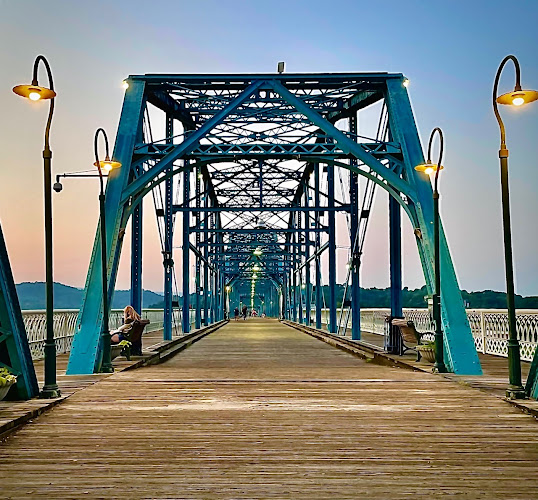
Walnut Street Bridge
About Walnut Street Bridge
The Walnut Street Bridge stands as one of Chattanooga's most beloved landmarks, and honestly, it's not hard to see why. This isn't just some ordinary bridge you'd pass without a second glance – we're talking about what was once the longest pedestrian bridge in the world. Built back in 1890, the structure spans an impressive 2,376 feet across the Tennessee River, connecting downtown Chattanooga to the North Shore district.
What makes this place special is how it managed to survive and thrive when plenty of similar structures didn't make it past their prime. The bridge was actually closed to vehicle traffic in 1978 and faced potential demolition. But the community rallied around it, and in 1993 it reopened as a pedestrian-only walkway. That transformation basically saved its life and gave Chattanooga one of its most iconic attractions.
Walking across the Walnut Street Bridge feels different than your typical tourist activity. There's something about being suspended over moving water with nothing but wooden planks beneath your feet and open sky above that changes your perspective on a city. I remember the first time I crossed it on a breezy afternoon, watching kayakers paddle below while locals jogged past and families stopped to take photos. The bridge has this way of making you slow down, even when you didn't plan to.
The revitalization efforts truly paid off because today this historic structure serves as a gateway between two distinct neighborhoods while offering access to several museums and parks on either end. It's become more than just a way to get from point A to point B – it's a destination in itself.
Key Features
Travelers will find plenty of reasons to add the Walnut Street Bridge to their Chattanooga itinerary:
- The bridge stretches nearly half a mile across the Tennessee River, providing unobstructed views of the water, surrounding mountains, and city skyline from multiple vantage points
- Original 1890s architecture and design elements remain visible throughout, including the distinctive steel truss construction that gives the bridge its characteristic silhouette
- Completely car-free environment makes it safe and peaceful for walking, running, cycling, or just standing still to soak in the scenery
- Direct connection to the Tennessee Aquarium, Hunter Museum of Art, and Coolidge Park means you can easily combine your bridge visit with other attractions
- Multiple access points on both the downtown and North Shore sides offer flexibility in planning your route
- The wooden plank surface adds authentic character and a slight bounce with each step that reminds you this is a genuine historic structure
- Benches placed along the span provide spots to rest and watch river traffic, birds, and occasional wildlife
- Popular location for street performers and local artists, especially during warmer months
- Well-lit for evening crossings, creating an entirely different atmosphere after sunset
- Free to access 24 hours a day, making it one of the best budget-friendly activities in the city
- Connects to Chattanooga's extensive Riverwalk system, allowing for extended exploration along the waterfront
Best Time to Visit
Timing your visit to the Walnut Street Bridge can really affect your experience, though truthfully there's no bad time to walk across it.
Spring, particularly April and May, brings mild temperatures and blooming landscapes on both sides of the river. The weather's usually cooperative without being too hot, and you'll catch the city coming back to life after winter. Early mornings during spring offer some of the most peaceful crossings, with mist sometimes still hovering over the water and fewer crowds to navigate around.
Summer sees the most foot traffic, which makes sense given school's out and tourists flock to Chattanooga. July and August can get seriously hot and humid though. If you're visiting during these months, consider early morning or evening crossings. Sunset walks are particularly stunning in summer, with the sky putting on a show of oranges and pinks reflecting off the Tennessee River. Just be prepared for company – you won't be the only one with this idea.
Fall might actually be the sweet spot for visiting. September through November brings cooler temps, lower humidity, and those gorgeous autumn colors on the surrounding mountains. The bridge offers one of the best vantage points for appreciating the seasonal changes. And there's usually a comfortable breeze coming off the water that makes the walk even more enjoyable.
Winter shouldn't be dismissed either. Yes, it gets cold, but the bridge sees fewer visitors during December through February, giving you a more intimate experience. Bundle up and you'll be fine. There's something magical about crossing the bridge on a crisp winter morning with steam rising from your coffee cup while the sun slowly warms the city.
Weekdays generally mean fewer crowds than weekends, regardless of season. But weekends bring more energy, with street performers, vendors, and that lively atmosphere some travelers prefer.
Weather matters more than season in some ways. Avoid visiting during heavy rain or thunderstorms – being on a metal bridge over water during lightning isn't the smartest move. Windy days can be challenging too, especially if you're not steady on your feet.
How to Get There
Getting to the Walnut Street Bridge is refreshingly straightforward, which is part of its appeal.
If you're staying in downtown Chattanooga, you can probably walk there. The bridge's southern entrance sits right in the heart of downtown near the Tennessee Aquarium. From most downtown hotels, it's less than a fifteen-minute walk. Just head toward the waterfront and you'll spot it.
Parking is available in several locations near both ends of the bridge. Downtown offers multiple paid parking garages and lots within a few blocks of the southern entrance. The Aquarium garage is particularly convenient if you're planning to visit multiple attractions in one day. Street parking exists too, but it fills up quickly on weekends and during events.
The North Shore side has more free parking options, particularly along Frazier Avenue and surrounding streets. This can be the smarter choice if you're visiting during peak times. Park on the North Shore, explore that neighborhood's shops and restaurants, then walk across the bridge to downtown.
Public transportation serves both sides reasonably well. The free electric shuttle that runs through downtown makes stops near the bridge's southern entrance. CARTA, Chattanooga's public bus system, has routes serving both the downtown and North Shore areas.
Rideshare services like Uber and Lyft operate throughout Chattanooga, and drivers know exactly where the Walnut Street Bridge is. You can request drop-off at either end depending on which direction you want to explore.
Cyclists will appreciate that Chattanooga offers bike share programs, and the bridge is absolutely bike-friendly. You can also reach it via the city's extensive Riverwalk trail system, which connects various parks and attractions along the waterfront.
If you're driving from out of town, take I-24 to downtown Chattanooga exits. Follow signs toward the waterfront or Tennessee Aquarium and you'll end up in the right area. GPS works reliably here, though it might try to route you to either the north or south entrance depending on your approach.
Tips for Visiting
Making the most of your Walnut Street Bridge experience comes down to some practical considerations and insider knowledge.
Wear comfortable walking shoes. This seems obvious, but those wooden planks can be uneven in spots, and you're looking at a half-mile walk each way at minimum. Plus you'll probably want to explore the areas on both ends.
Bring water, especially during warmer months. There aren't water fountains on the bridge itself, and that Tennessee sun can be intense. I've seen plenty of tourists halfway across looking like they're regretting their life choices because they didn't hydrate properly.
The bridge gets slippery when wet. Those wooden planks don't offer much traction after rain, so watch your step and slow down. This isn't the time to rush.
Photography enthusiasts should visit multiple times at different hours if possible. Morning light hits differently than afternoon or evening, and each offers unique opportunities. The bridge itself makes a great subject, but so do the views from it in every direction.
Don't just walk straight across and back. Stop. Lean on the railing. Watch the river. You'll see paddleboarders, kayakers, sometimes even people fishing from boats below. Birds circle overhead. The whole point is to experience the setting, not just check it off a list.
If you're traveling with kids, they'll probably love it, but keep an eye on younger children. The railings are secure, but excitable kids near water require supervision. On the flip side, strollers handle the bridge just fine for families with babies.
Street performers and artists sometimes set up on the bridge, particularly on weekends. Bring a few small bills if you appreciate live music or want to support local creativity.
Consider making the bridge part of a larger loop rather than just an out-and-back walk. Cross to the North Shore, explore Coolidge Park and Frazier Avenue, grab a meal or coffee, then return via the bridge. This gives you a fuller experience of what both neighborhoods offer.
The bridge is well-lit at night, but it does feel more isolated after dark. It's generally safe, but use common sense. Go with others if possible during late evening hours.
Fitness enthusiasts often use the bridge for running or walking workouts. If you're moving slowly to sightsee, stay to one side so faster-moving people can pass. Basic trail etiquette applies even though you're on a bridge.
Bathrooms aren't available on the bridge itself. Use facilities at the aquarium, nearby museums, or restaurants before starting your walk.
The bridge closes occasionally for special events like races or festivals. Check local event calendars if you're visiting during a holiday weekend or major city celebration to avoid disappointment.
Weather can change quickly, especially in spring and fall. That breeze off the river might feel pleasant at first but can get chilly. Bring a light jacket even if it seems warm when you start out.
Finally, resist the urge to rush through your visit. The Walnut Street Bridge rewards those who take their time, notice details, strike up conversations with locals, and just exist in the moment for a while. It's one of those places that gives back whatever energy you put into experiencing it properly.
Key Features
- 2,376-foot historic iron truss (camelback) pedestrian span
- Panoramic views of the Tennessee River, Lookout Mountain, and downtown Chattanooga
- Wide wooden plank walkway suitable for walking, running, and casual cycling
- Public events, seasonal art installations, and community programming
- Direct access between downtown and North Shore restaurants, parks, and attractions
Nearby Attractions
You Might Also Like

Audubon Acres
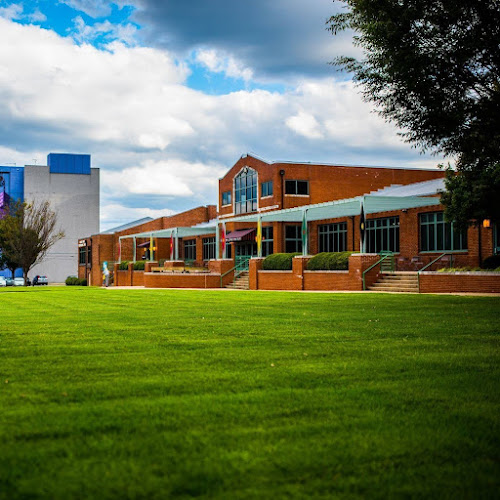
Bessie Smith Cultural Center and Chattanooga African American Museum
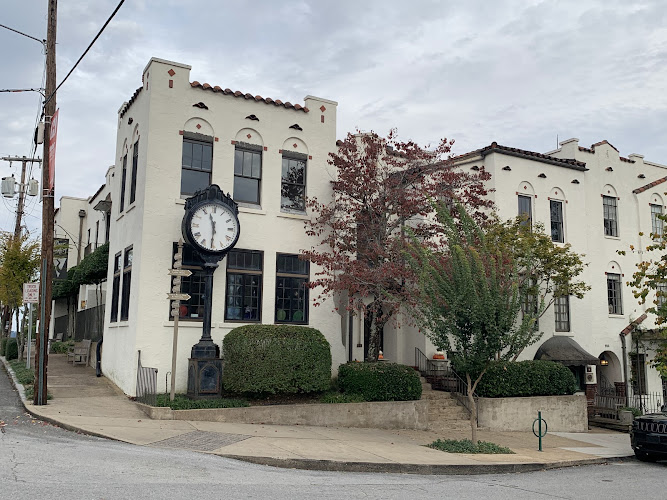
Bluff View Art District
Tours & Activities
GetYourGuide provides this tour inventory. We may earn a commission if you book through it; verify current availability, prices, and terms with the provider.
Visitor Reviews
There are no reviews yet. Be the first one to write one.
Share Your Experience
Have you visited Walnut Street Bridge? Help other travelers by leaving a review.