
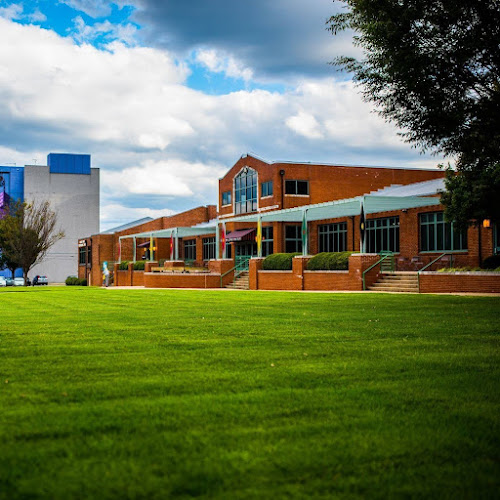
Bessie Smith Cultural Center and Chattanooga African American Museum
About Bessie Smith Cultural Center and Chattanooga African American Museum
The Bessie Smith Cultural Center and Chattanooga African American Museum is the kind of place that quietly gets under your skin. Not in a flashy way. More like you walk out thinking about it hours later, replaying a story you read on a wall panel or a photograph you didn’t expect to recognize yourself in. For travelers interested in Black history, American music, and the lived reality behind the Civil Rights Movement, this museum is an essential stop in Chattanooga.
The center pulls double duty as both a museum and an active cultural space. That matters. This isn’t just a building where history is preserved behind glass; it’s a place where history keeps happening. Named after Chattanooga-born blues legend Bessie Smith, the museum grounds itself in her legacy but expands far beyond it, exploring African American life in the city and the broader South. Jazz, blues, gospel, entrepreneurship, education, protest, family, and faith all share the same room here. And somehow it works.
I’ve visited a lot of history museums over the years, and if I’m honest, some of them blur together. Text-heavy walls, polite silence, that sort of thing. This place doesn’t fall into that trap. The exhibits feel personal, sometimes even confrontational, in a good way. One display on segregation-era Chattanooga made me stop mid-step. I remember thinking, wow, this wasn’t that long ago. That’s a feeling travelers don’t forget.
Another thing worth mentioning is that the museum balances pride and pain without tipping too far in either direction. It celebrates achievement, creativity, and resilience, but it doesn’t sand down the rough edges of history. You’ll see local leaders, artists, and everyday citizens presented with dignity, not myth-making. That honesty is refreshing, especially for visitors who want more than a surface-level overview of Black history.
The cultural center side of the building hosts live performances, lectures, and community events, which means your experience can change depending on when you visit. You might walk into a quiet gallery one day and a full-on jazz performance the next. And yes, hearing live music in a space named for Bessie Smith feels exactly as powerful as you’d imagine.
Key Features
- Permanent and rotating exhibits focused on African American history in Chattanooga, including civil rights, education, and entrepreneurship
- Dedicated galleries honoring Bessie Smith and the city’s deep roots in blues and jazz music
- Live performances and cultural events that turn the museum into an active arts venue
- Family-friendly layout with exhibits that engage kids without dumbing things down
- Guided tours available for visitors who want deeper context and storytelling
- Wheelchair-accessible entrance, restrooms, and parking, making it easier for all travelers to explore comfortably
- On-site parking, which is a small but meaningful win when you’re traveling
Best Time to Visit
If you’re planning a trip to Chattanooga, timing your visit to the Bessie Smith Cultural Center can shape your whole experience. Weekday mornings tend to be quieter, which is ideal if you like to read every label and take your time. I’m that person who lingers too long at photo displays, so mornings work for me.
Weekends, on the other hand, often bring more energy. Families, local visitors, and sometimes live programming fill the space. If there’s a performance or special event scheduled, expect a livelier atmosphere. That’s not a downside, just a different vibe. And honestly, seeing the museum alive with conversation and music makes the history feel more connected to the present.
Seasonally, spring and fall are comfortable times to visit Chattanooga overall, which makes pairing the museum with other sightseeing easier. Summer can be busy, especially with families traveling, but the museum’s indoor setting offers a welcome break from the heat. Winter visits feel more contemplative, if that makes sense. Fewer crowds, more space to reflect.
If you’re the kind of traveler who likes depth over speed, plan at least 90 minutes here. Two hours isn’t excessive. I once tried to rush through in under an hour and regretted it. There’s too much context, too many stories layered into the exhibits to skim.
How to Get There
The museum is located near downtown Chattanooga, which makes it easy to include in a broader travel itinerary. If you’re staying in or around the city center, getting there by car is straightforward, and the availability of on-site parking removes a lot of the usual stress. For road trippers, that’s a relief.
Public transportation can also get you close, though travel times vary depending on your route. Ride-share services are commonly used by visitors, especially those coming from hotels downtown. I’ve done that myself when I didn’t feel like dealing with parking, and it worked out just fine.
Once you arrive, the building itself is clearly marked and easy to navigate. The entrance is accessible, and staff are usually quick to greet you or point you in the right direction. That first impression matters more than people realize, especially in a museum that deals with such weighty subject matter.
Tips for Visiting
First tip, and I say this as someone who learned the hard way: check the event schedule before you go. Live performances and talks can dramatically change your visit, in a good way. But they can also mean certain galleries are busier or temporarily closed. Knowing ahead of time helps you plan.
Second, don’t be shy about asking questions. The staff and guides are knowledgeable and often have personal connections to the stories being told. On one visit, a guide shared a memory about growing up in Chattanooga during desegregation. That wasn’t on any exhibit panel, but it stayed with me longer than most of what I read.
If you’re traveling with kids, take advantage of the family-friendly aspects. The exhibits are serious, but they’re presented in ways that spark curiosity rather than overwhelm. Still, be ready for conversations afterward. This museum opens doors to important questions, and that’s a good thing.
Accessibility is thoughtfully handled here, but it’s always smart to plan ahead if you or someone in your group has specific needs. The museum offers wheelchair-accessible entrances, restrooms, and parking, which makes navigating the space much easier than in many older cultural buildings.
One more thing, and this is more of a personal opinion: give yourself a little quiet time after your visit. Grab a coffee somewhere nearby or just sit with what you’ve learned. The stories here aren’t light tourist fare, and they deserve a moment to settle. I’ve found that those pauses are when the museum’s impact really hits.
Finally, approach the Bessie Smith Cultural Center and Chattanooga African American Museum with curiosity rather than a checklist mentality. You don’t need to see or understand everything in one visit. Let the stories come to you. Travel is about connection, after all, and this is a place that offers it honestly, sometimes uncomfortably, and always meaningfully.
Key Features
- Permanent and rotating exhibits focused on African American history in Chattanooga, including civil rights, education, and entrepreneurship
- Dedicated galleries honoring Bessie Smith and the city’s deep roots in blues and jazz music
- Live performances and cultural events that turn the museum into an active arts venue
- Family-friendly layout with exhibits that engage kids without dumbing things down
- Guided tours available for visitors who want deeper context and storytelling
- Wheelchair-accessible entrance, restrooms, and parking, making it easier for all travelers to explore comfortably
- On-site parking, which is a small but meaningful win when you’re traveling
You Might Also Like

Audubon Acres
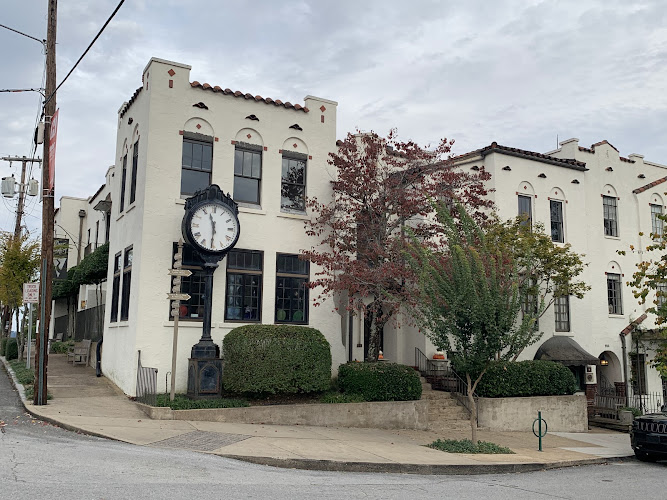
Bluff View Art District
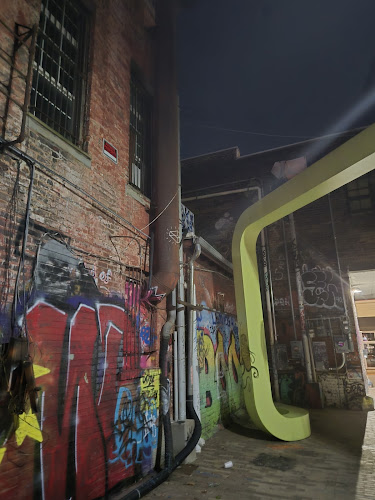
ChattaBOOga Ghost Walk
Tours & Activities
GetYourGuide provides this tour inventory. We may earn a commission if you book through it; verify current availability, prices, and terms with the provider.
Visitor Reviews
There are no reviews yet. Be the first one to write one.
Share Your Experience
Have you visited Bessie Smith Cultural Center and Chattanooga African American Museum? Help other travelers by leaving a review.