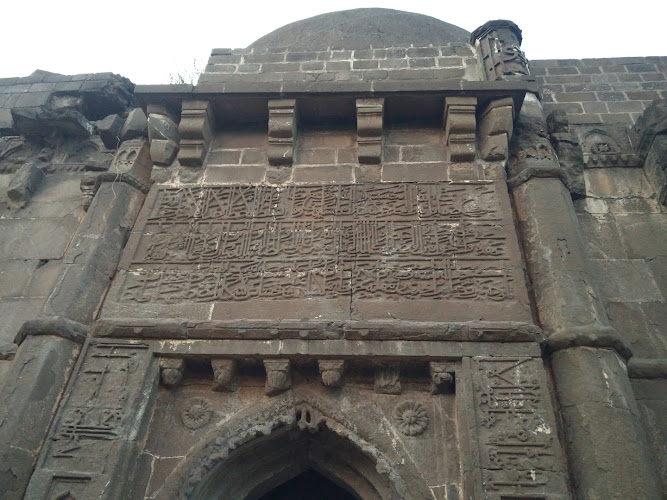
Thalner sits quietly along the Tapi river in Maharashtra’s Shirpur tehsil, about 46.67 kilometers northeast of Dhule, and honestly, most travelers haven’t even heard of it. But here’s the thing – this modest village carries the weight of being the first capital of the Faruqi kings, and that historical significance runs deep through every stone and structure you’ll encounter here. The fortifications that still stand tell stories of a time when Khandesh was a power to be reckoned with, and Thalner was right at the heart of it all.
I remember reading about how capital cities often get overshadowed by their successors, and Thalner is no exception. Yet there’s something quite special about visiting a place that was once the seat of power for an entire dynasty. The Faruqi rulers chose this spot for good reasons – the strategic location by the Tapi river provided natural defenses and trade advantages that made it an ideal choice for establishing their kingdom’s headquarters.
The fort here isn’t your typical tourist-polished monument. It retains that raw, authentic feel that makes history buffs go weak in the knees. The architecture reflects medieval military engineering at its finest, with walls that were built to withstand sieges and structures designed for both defense and administration. Walking through these remnants, you get a genuine sense of what life might have been like during the Faruqi period, without all the modern interpretations and reconstructions that sometimes take away from historical sites.
And the Tapi river adds another dimension to the whole experience. Rivers in Maharashtra have witnessed countless dynasties rise and fall, and the Tapi at Thalner is no different. The banks provide peaceful spots for reflection after exploring the historical structures, and during certain times of the year, the river itself becomes a character in your travel story.
Key Features
The historical and geographical features of Thalner make it a distinctive destination for those who appreciate off-the-beaten-path historical sites:
• Ancient fortifications dating back to the Faruqi dynasty period, showcasing medieval military architecture and defensive strategies that were employed in the Khandesh region
• Strategic position along the Tapi river banks, offering both historical significance and natural beauty that served defensive purposes during the capital’s heyday
• The distinction of being the first capital of the Faruqi kings, making it a crucial site for understanding Maharashtra’s medieval political landscape
• Relatively untouched by mass tourism, providing an authentic exploration experience without crowds and commercial distractions
• Located in Shirpur tehsil, approximately 46.67 kilometers from Dhule, making it accessible yet remote enough to maintain its character
• Stone structures and fort walls that have survived centuries, demonstrating the construction quality and engineering knowledge of that era
• Remnants of administrative buildings that hint at the governance systems and daily life of a medieval capital city
• The surrounding landscape of rural Maharashtra, offering glimpses into traditional village life alongside historical exploration
Best Time to Visit
Planning your trip to Thalner requires some thought about Maharashtra’s weather patterns. The post-monsoon period from October through February really stands out as the ideal time to explore this historical site. During these months, temperatures are manageable – you’re looking at daytime highs around 25-30 degrees Celsius, which makes walking around fort ruins and exploring riverside areas actually enjoyable rather than an endurance test.
The monsoon season, which typically runs from June through September, transforms the landscape dramatically. The Tapi river swells considerably, and while this brings a certain dramatic beauty to the area, it can also make accessing certain parts of the fort tricky. I’ve heard from travelers who visited during heavy monsoon months and found some sections completely inaccessible due to water logging. But if you’re someone who loves that moody, rain-soaked atmosphere and doesn’t mind getting wet, the monsoons do offer photographic opportunities you won’t find during drier months.
Winter months, particularly December and January, provide the most comfortable conditions. Early mornings can be pleasantly cool, perfect for starting your exploration before the day warms up. The river is usually at manageable levels, and the vegetation around the fort area is still green from the monsoons but not overgrown to the point of obscuring structures.
Summer months from March through May? Well, let’s just say they’re challenging. Temperatures in this part of Maharashtra can climb past 40 degrees Celsius, and there’s limited shade around fort ruins. If you absolutely must visit during summer, stick to early morning hours and carry plenty of water. But honestly, you’ll enjoy Thalner so much more during cooler months.
Weekdays generally offer a quieter experience compared to weekends, though Thalner doesn’t exactly get overrun with tourists even on Sundays. Local festivals and holidays might bring more visitors, so check the calendar if you prefer solitude during your historical explorations.
How to Get There
Getting to Thalner requires a bit of planning since it’s not exactly on the mainstream tourist circuit. The nearest major city is Dhule, positioned about 46.67 kilometers southwest of Thalner. Most travelers use Dhule as their base or transit point.
If you’re coming from Mumbai, the distance is roughly 300 kilometers. Driving takes about 6-7 hours depending on traffic and your route choice. The journey takes you through some interesting Maharashtra countryside, so it’s not just about the destination. Highway conditions are generally decent, though once you get closer to Thalner and turn off main roads, surfaces can get rougher.
For those preferring trains, Dhule has a railway station with connections to major cities including Mumbai, Pune, and Nashik. From Dhule railway station, you’ll need to arrange local transport to reach Thalner. Hiring a taxi or cab for the roughly 47-kilometer journey makes sense, especially if you want flexibility in how long you spend at the site. Some travelers opt for auto-rickshaws for shorter distances within the area, though negotiating a round trip with waiting time is advisable.
State transport buses run between Dhule and Shirpur regularly, and from Shirpur you can find local transport to Thalner village. But honestly, this option involves multiple transfers and can eat up significant time. If you’re not on a super tight budget, having your own vehicle or hired transport simplifies things considerably.
The roads between Dhule and Thalner pass through typical Maharashtra rural landscapes – fields, small villages, and occasional market towns. Navigation is straightforward enough, though having GPS or offline maps downloaded helps since mobile signals can get patchy in some stretches.
Tips for Visiting
Bringing the right supplies makes a huge difference when visiting historical sites like Thalner. Water bottles are non-negotiable – there aren’t convenience stores every few meters like in cities, and exploring fort ruins in Maharashtra’s climate means you’ll need constant hydration. Pack some snacks too, because food options near the site are limited to whatever the village offers, which might not align with your meal schedule or dietary preferences.
Comfortable walking shoes are essential. You’ll be traversing uneven surfaces, climbing partially ruined structures, and walking along riverbanks. Those fashionable sandals or new shoes you’re breaking in? Leave them behind. Go for something with good grip and ankle support.
Sun protection deserves serious attention. A hat or cap, sunglasses, and sunscreen should all be in your bag. Even during winter months, the sun can be intense during midday hours. An umbrella serves double duty for both sun and unexpected rain showers.
Photography enthusiasts will find Thalner rewarding, but bring extra batteries and memory cards since there’s nowhere nearby to buy them. The fort structures, river views, and rural landscapes offer varied subjects. Early morning and late afternoon light works beautifully with the old stone architecture.
Respect local sensibilities since you’re visiting a working village, not a designated tourist park. Dress modestly and ask permission before photographing local residents. The villagers are generally welcoming, but remember you’re a guest in their community.
Don’t expect extensive facilities or guides at the site. Thalner hasn’t been developed into a major tourist attraction with visitor centers and organized tours. This is part of its charm, but it also means you need to be self-sufficient. Reading up on Faruqi history before your visit enriches the experience considerably since there aren’t information plaques explaining every structure.
Hiring a local guide in Shirpur or through contacts in Dhule can provide insights you’d otherwise miss. These guides often know stories and historical details that aren’t in guidebooks.
The village doesn’t have ATMs or card payment facilities, so carry sufficient cash for any purchases, transport, or guide fees you might incur.
If you’re planning to explore thoroughly, allocate at least 3-4 hours for your visit. Rushing through defeats the purpose of visiting such a historically significant site. The fort area is extensive enough that proper exploration takes time.
Mobile network coverage can be unreliable, so download any maps or information you need beforehand. Let someone know your itinerary before heading out, especially if you’re traveling solo.
Weather in this region can change, particularly during monsoon season. Checking forecasts before your trip helps with packing appropriate gear and planning your exploration safely.
 Real Journey Travels