
Tennessee Riverpark
About Tennessee Riverpark
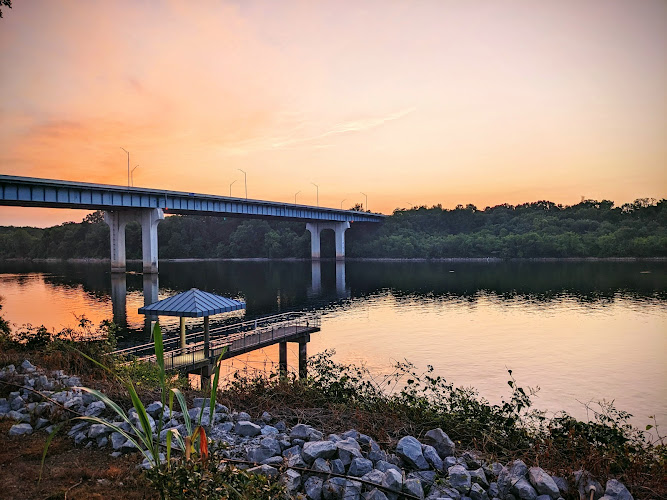
The Tennessee Riverpark stretches along roughly ten miles of the Tennessee River, and it’s one of those places that quietly grows on you. Not flashy. Not trying too hard. Just solid, scenic, and surprisingly calming for being so close to the city. Travelers often come expecting a quick riverside stroll and end up staying half the day, maybe longer. And honestly, that tracks with my own experience. I once planned a 30‑minute walk here and somehow ended up watching the sunset with sore feet and a half‑eaten granola bar in my pocket.
The park follows the curve of the river, which means the views change constantly. One moment you’re walking past wide open water where barges slide by like slow-moving buildings, and the next you’re under shade trees with birds making a racket overhead. Public art pops up in unexpected places, some of it playful, some of it abstract enough to make you stop and squint. It feels intentional but not stiff, if that makes sense.
This is a landscaped trail system, yes, but it doesn’t feel manicured to death. There’s grass, there’s dirt, there’s river mud smell on warm days. Picnic tables sit close enough to the water that you can hear it moving, and fishing piers stretch out like invitations. You’ll see locals walking dogs, kids wobbling on bikes, couples power-walking with matching sneakers, and travelers who clearly Googled best things to do near the river and landed here. It works for all of them.
One thing worth mentioning, because travelers notice this stuff, is that the park generally feels safe and welcoming. It’s well-used, which matters. There are busier sections and quieter ones, and you can choose based on your mood. Some areas feel social, almost chatty. Others are better for thinking big thoughts or just letting your brain go quiet for a while.
Key Features
- Ten-mile paved and landscaped trail running along the Tennessee River
- Public art installations spaced throughout the park
- Multiple picnic areas with tables and barbecue grills
- Fishing piers offering river access without needing a boat
- Cycling lanes suitable for casual riders and commuters
- Playgrounds with slides and swings for younger visitors
- Wheelchair accessible entrances, paths, and parking areas
- Public restrooms located at key sections of the park
- Dog-friendly policies, with plenty of space for leashed pets
- Free on-site parking at various access points
What doesn’t always get mentioned in travel guides is how flexible these features are. You don’t have to commit to the whole ten miles. You can park, walk a mile, sit, snack, people-watch, and call it a win. Or you can bike a longer stretch and feel like you earned your dinner later. I’ve done both, sometimes on the same day, which may say more about my planning skills than the park.
Best Time to Visit
Spring and fall are the obvious winners, and I’ll admit it freely. Mild temperatures, green trees or changing leaves, and less of that heavy summer air. Mornings in spring can be especially nice, with fog lifting off the river and joggers sharing nods like they’re in on a secret. Fall afternoons bring golden light that photographers love, even the phone-camera kind.
Summer isn’t a dealbreaker, but you’ll want to plan smart. Early mornings or evenings are your friend, unless you really enjoy sweating through your shirt. There’s shade along much of the trail, but not all of it, so hats and water matter more than you think. On the upside, summer brings longer days, and watching the river at dusk can be pretty special.
Winter is quieter. Some people avoid it, but I don’t totally agree with that choice. Crisp days can be peaceful, and the lack of crowds makes it easier to feel like you have the river to yourself. Just know that amenities may feel more spread out when fewer people are around, and you’ll want to check the weather before heading out.
How to Get There
Getting to the Tennessee Riverpark is straightforward, especially if you’re already in or near the city. The park has multiple access points, which is both convenient and slightly confusing the first time. My advice? Decide what you want to do first. Walking, biking, playground time, fishing. Different sections serve different needs better.
If you’re driving, free parking lots make things easier, and they’re generally close to trail entrances. You won’t have to hike half a mile just to start your hike, which I appreciate more every year. Ride-share drop-offs work fine too, especially if you’re meeting friends and don’t want to coordinate cars.
For travelers without a car, some sections are reachable via local transit or even by bike from downtown areas. It’s one of those parks that integrates into daily life rather than sitting off on its own island, and that shows in how people get there.
Tips for Visiting
First tip, and I say this from experience: don’t underestimate the length. Ten miles sounds manageable until you realize you’re walking it, in the sun, with stops. Plan your turnaround point unless you enjoy the long walk back questioning your life choices.
Bring water. Yes, even if it’s cool outside. Especially if you’re biking or bringing kids along. There are restrooms, but they’re spaced out, so think ahead. Snacks help too, whether that’s a full picnic or just something to keep your energy up.
If you’re traveling with children, playground areas are a big win. They break up the walk and give kids something to look forward to. I’ve seen birthday parties set up at picnic tables, balloons tied to benches, the whole thing. It works surprisingly well.
Dogs are welcome, and you’ll see plenty of happy ones. Keep them leashed and bring bags, because nothing ruins a nice park faster than stepping in something you shouldn’t. There are grassy areas where dogs can sniff around, which they seem to rate very highly.
For fishing fans, the piers are worth seeking out. Even if you don’t catch anything, there’s something calming about standing over the water and watching it move. I once spent an hour there without a rod, just leaning and thinking. That counts as recreation in my book.
Lastly, give yourself permission to slow down. This park isn’t about checking boxes or racing from one landmark to the next. It’s about movement, yes, but also about pause. Sit on a bench. Watch the river traffic. Notice the art pieces you almost walked past. Those small moments are what stick with you after the trip ends.
The Tennessee Riverpark doesn’t demand attention, which might be why it earns it. Travelers looking for an easy, scenic, flexible outdoor experience will find it delivers more than expected, especially if you let it. And if you leave a little tired but lighter in the head, well, that seems to be part of the deal.
Key Features
- Ten-mile paved and landscaped trail running along the Tennessee River
- Public art installations spaced throughout the park
- Multiple picnic areas with tables and barbecue grills
- Fishing piers offering river access without needing a boat
- Cycling lanes suitable for casual riders and commuters
- Playgrounds with slides and swings for younger visitors
- Wheelchair accessible entrances, paths, and parking areas
- Public restrooms located at key sections of the park
You Might Also Like

Audubon Acres

Bessie Smith Cultural Center and Chattanooga African American Museum
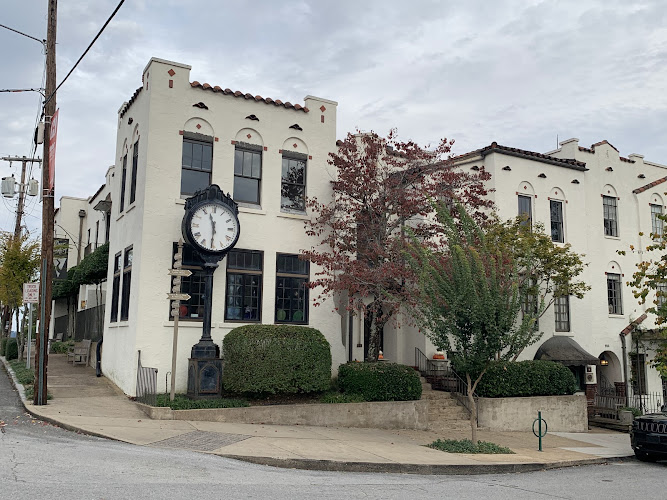
Bluff View Art District
Tours & Activities
GetYourGuide provides this tour inventory. We may earn a commission if you book through it; verify current availability, prices, and terms with the provider.
Visitor Reviews
There are no reviews yet. Be the first one to write one.
Share Your Experience
Have you visited Tennessee Riverpark? Help other travelers by leaving a review.