It presents a wide-ranging collection that honestly surprises first-timers. On the surface, it looks like the archetypal civic museum — white walls, display cases, placards — but beneath that formal shell are pockets of real personality: Sunderland lustreware pottery that catches the light in unexpected ways, geological specimens that tell the story of the Wear valley, and industrial and social history exhibits that, together, sketch how this corner of northeast England grew into what it is today.
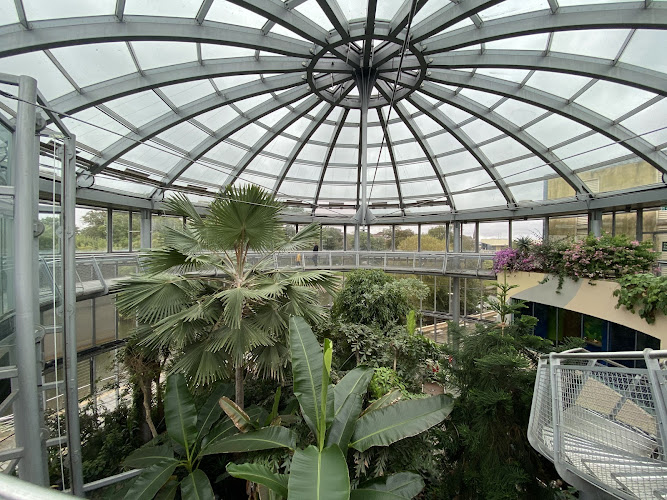
The Winter Gardens is the bit many people linger in. Think of a greenhouse but larger and calmer: palms, ferns, and a scattering of exotic plants that soften the museum’s more academic side. The air feels different there — a touch warmer, a little humid, and oddly domestic. Visitors often find themselves staying longer than planned, not because they must but because the plants invite you to slow down. A bench, a sun-splashed corner, a child fascinated by a strange leaf — these are the small scenes that repeat throughout a visit.
Collections here range from archaeology and local social history to contemporary art and a notable glass and pottery archive. Sunderland’s glass and pottery story is a highlight. The museum houses examples that showcase local craft traditions and industrial-scale production — both sides of the same coin. For anyone with even a passing interest in ceramics, the way light and glaze interact on Sunderland lustreware is quietly hypnotic. There are also geology displays that ground the visit, literally: rocks and fossils that explain the landscape which shaped the local economy, including shipbuilding and manufacturing stories that reverberate through other exhibits.
The museum’s layout is straightforward without being dull. Galleries are grouped thematically, which helps when someone visits with a specific curiosity — say, archaeology or contemporary art. The contemporary art gallery, sometimes overlooked by guidebooks, can be refreshingly sharp; regional artists appear alongside curated shows with an edgier, experimental bent. That mix gives the place a relevant, lived-in feeling rather than the dusty hush of an institution stuck in another era.
Practical features matter here. Onsite amenities include a café/restaurant and restrooms, and the place is designed to be accessible with a wheelchair-accessible entrance and restroom — thoughtful touches that make it easier for families, older visitors, and anyone with mobility needs. It’s also genuinely kid-friendly. Children’s trails and hands-on activities show that the museum takes learning seriously but not solemnly. School groups and families will often cross paths with older visitors who are there for the pottery or local history, and oddly enough that mix makes the visit feel more human, like a neighbourhood conversation that has somehow outlived a century.
Atmosphere shifts with the seasons. In spring and summer the Winter Gardens hums with green life and more relaxed foot traffic; in the darker months the interiors feel snug and contemplative. The museum does a decent job of programming; temporary exhibitions rotate often enough to reward repeat visits. Occasionally there are special events tied to local heritage, archaeology digs, or art openings that add a bit of buzz.
There are a few rough edges. Some galleries show their age in lighting and signage, and visitors who expect a high-tech blockbuster may feel underwhelmed in spots. Yet that modesty is part of its charm: this place feels like a municipal museum that quietly takes its job seriously rather than shouting for attention. Staff are usually helpful and clearly care about the collections; volunteers often add character, offering small anecdotes about objects that make them come alive. One volunteer’s story about a community-made quilt, passed down through generations, lingers longer than any labeled wall text.
For photographers and social-media types, the Winter Gardens provides a reliable backdrop. The glass structure and the way light scatters through leaves produce consistently attractive photos, even on cloudy days (and let’s face it, northeast England offers plenty of those). Art lovers will appreciate the gallery spaces, and history buffs get a compact but well-curated look at local industry, shipbuilding, and civic life. Archaeology displays reward slow reading; there are fragments that, taken together, tell larger human stories of this place across centuries.
Accessibility and visitor comfort are not afterthoughts. Besides the physical accessibility already mentioned, the museum keeps practicalities in mind: clear signage in most areas, resting points inside the Winter Gardens, and a restaurant area where visitors can regroup and plan the next stop. Paid street parking is available nearby, which is convenient although it can be busier at peak times. For those using public transport, the museum sits close enough to the city centre to be an easy stop during a day of exploring.
The Sunderland Museum and Winter Gardens feels like the sort of place locals are quietly proud of. It isn’t a colossal national museum with endless galleries and blockbuster budgets, but it is an honest civic institution that blends natural curiosity with regional identity. Visitors who come with patience will be rewarded: the best discoveries are often small and local — a beautifully preserved ceramic shard, a quirky piece of social history, a plant in the Winter Gardens that refuses to be ignored.
There’s a human scale to almost everything here. Exhibits don’t attempt to shout or overwhelm; they nudge. And sometimes a gentle nudge is all that’s needed to spark real interest. If a traveler is trying to piece together how industry, landscape, and culture mixed in this part of England, this museum provides that picture in bite-sized, memorable pieces. It’s a solid half-day visit with the option to stretch into a full afternoon if the café and the sunlit glasshouse tempt one to linger — which, trust the crowds, they often do.
In short, the Sunderland Museum and Winter Gardens quietly charms. It educates without pretension, balances indoor galleries with a soothing living space of plants, and keeps the practical needs of visitors in view. Those who value local storytelling, craft history, and a relaxed museum experience are very likely to leave having learned something surprising — and perhaps with a photograph they didn’t expect to love.
 Real Journey Travels