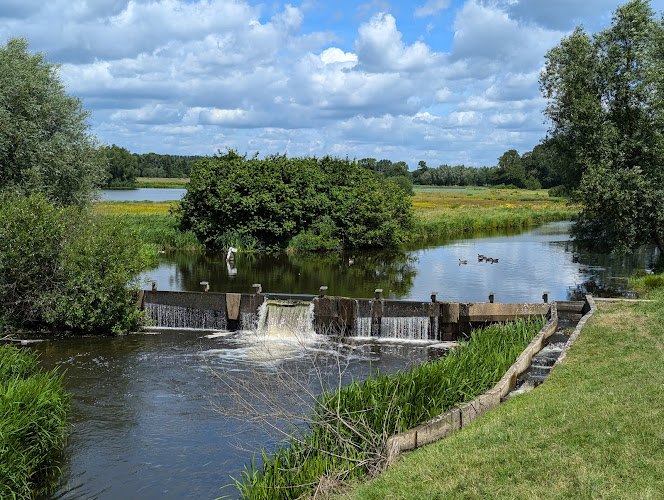
The Steinhorster Becken stands as one of Germany’s most remarkable nature preserves, offering visitors a chance to experience authentic wetland ecosystems in their pristine state. This expansive reserve showcases the raw beauty of river landscapes, complete with cascading waterfalls and diverse wildlife habitats that have remained largely untouched by modern development.
What strikes most visitors first is the sheer tranquility of the place. And honestly, in our hyperconnected world, finding such peaceful spots feels increasingly rare. The reserve encompasses various terrains, from dense woodland areas to open wetlands where herons and other waterfowl make their homes. You’ll discover that this isn’t just another pretty nature spot – it’s a functioning ecosystem where every element plays its part in maintaining ecological balance.
The area has gained recognition among nature photographers and wildlife enthusiasts who appreciate its unspoiled character. But don’t expect manicured paths or fancy visitor centers here. The Steinhorster Becken maintains its wild essence, which means your experience feels genuinely authentic rather than commercialized.
Key Features
The reserve offers several distinctive features that set it apart from typical tourist destinations:
- Diverse Wildlife Habitats: The preserve supports numerous bird species, mammals, and aquatic life in their natural environments
- Scenic Waterfall Areas: Multiple cascade points create dramatic focal points throughout the landscape
- Wheelchair Accessible Paths: Specially designed routes ensure visitors with mobility challenges can enjoy the natural beauty
- Family-Friendly Trail System: Kid-friendly hiking routes make it perfect for introducing children to nature conservation
- Dog-Friendly Environment: Well-behaved pets are welcome on designated trails
- Cycling Infrastructure: Dedicated bike lanes allow for eco-friendly exploration of the larger preserve area
- Photography Opportunities: The varied landscapes provide endless subjects for nature photography enthusiasts
- Educational Value: Natural interpretation opportunities help visitors understand wetland ecosystem dynamics
- Seasonal Variation: Each season brings different wildlife activity and landscape changes
The waterfall features deserve special mention – they’re not the towering cascades you might find in mountainous regions, but rather gentle, multi-tiered flows that create a soothing soundtrack as you explore. These water features play crucial roles in the ecosystem, providing spawning grounds for fish and drinking spots for various wildlife species.
Best Time to Visit
Timing your visit to Steinhorster Becken can significantly impact your experience, and I’ve learned this from talking with regular visitors over the years. Spring emerges as the most rewarding season, typically from April through early June. During this period, migrating birds return to their breeding grounds, creating exceptional wildlife viewing opportunities. The landscape awakens with fresh vegetation, and water levels remain optimal from winter precipitation.
Summer visits, while popular, present both advantages and challenges. June through August offers the warmest weather and longest daylight hours – perfect for extended hiking sessions. However, vegetation becomes denser, potentially obscuring wildlife viewing opportunities. Early morning visits during summer months prove most productive, as animals remain active before the day’s heat sets in.
Autumn brings its own magic to the preserve. September and October showcase spectacular foliage changes, and many photographers consider this the prime season for capturing the reserve’s beauty. Wildlife activity increases as animals prepare for winter, making it an excellent time for patient observers.
Winter shouldn’t be dismissed entirely. While some trails might become challenging, the stark landscape reveals the preserve’s bone structure more clearly. And if you’re lucky enough to visit after a light snowfall, the contrast between white snow and dark water creates stunning visual compositions.
Weather considerations matter more than you might expect. Recent rainfall enhances waterfall flow, but can make some trails muddy. Conversely, extended dry periods might reduce water levels but improve trail conditions. Checking recent weather patterns before your visit helps set appropriate expectations.
How to Get There
Reaching Steinhorster Becken requires some planning, as its preserved status means it’s not directly served by major transportation hubs. Most visitors find driving provides the most convenient access, with designated parking areas that accommodate both standard vehicles and those requiring wheelchair accessibility.
If you’re traveling from major German cities, expect journey times that vary considerably depending on your starting point and chosen route. The preserve’s location in a less developed region means the final approach involves smaller regional roads rather than major highways. But honestly, this journey through rural landscapes serves as a perfect transition from urban environments to natural settings.
Public transportation options exist, though they require more coordination and potentially longer travel times. Regional bus services connect to nearby towns, from which local connections or taxi services can complete the journey. During peak seasons, some tour operators offer group transportation options, though these typically require advance booking.
For cycling enthusiasts, the preserve connects to regional cycling networks. Several dedicated bike routes approach the area, making it possible to arrive under your own power while enjoying the surrounding countryside. The cycling lanes within the preserve then allow continued exploration once you arrive.
GPS navigation works reliably for most of the journey, though mobile phone coverage can become spotty in the immediate preserve area. Downloading offline maps beforehand provides backup navigation capability. The parking facilities include clear signage and information boards that help orient first-time visitors.
One thing I always tell people – allow extra travel time. Not because the roads are difficult, but because you’ll likely want to stop and appreciate the countryside along the way. The journey becomes part of the overall experience rather than just a means to an end.
Tips for Visiting
Successful visits to Steinhorster Becken depend largely on proper preparation and realistic expectations. First-time visitors often underestimate how much time they’ll want to spend exploring, so plan for at least half a day, though full-day visits prove more rewarding.
Footwear choices make or break your experience here. Waterproof hiking boots are essential, even during apparently dry conditions. The wetland environment means moisture persists in unexpected places, and some of the most interesting areas require crossing damp terrain. I learned this lesson the hard way during my first visit wearing regular sneakers!
Photography equipment requires weather protection. Even on clear days, mist from waterfalls and high humidity levels can damage sensitive electronics. Bring protective covers for cameras and consider how you’ll keep lenses dry and fog-free. The lighting conditions change rapidly in forested areas, so understanding your camera’s settings beforehand improves your chances of capturing quality images.
Wildlife observation demands patience and quiet movement. The preserve’s animals have become somewhat accustomed to human presence, but sudden movements or loud noises send them into hiding. Early morning and late afternoon visits typically offer the best wildlife activity. Binoculars enhance the experience significantly, allowing observation without disturbing natural behaviors.
Weather can change quickly in this region, particularly during transitional seasons. Layered clothing allows adjustment to varying conditions throughout your visit. Rain gear proves valuable even when forecasts suggest clear skies – the microclimate around wetlands often differs from regional weather patterns.
For families with children, the preserve offers excellent educational opportunities, but requires supervision near water features. The kid-friendly trails are well-marked, though young children might need assistance on some sections. Bringing snacks and drinks is advisable, as facilities within the preserve are minimal by design.
Dog owners should bring waste bags and keep pets on designated trails. While dogs are welcome, the preserve’s wildlife protection takes priority. Some areas might have seasonal restrictions during breeding periods, so check current regulations before arrival.
The preserve’s commitment to accessibility extends beyond just wheelchair-friendly paths. However, visitors with mobility challenges should review trail maps beforehand to identify routes matching their capabilities. The accessible parking and entrance facilities provide good starting points for exploring the preserve’s highlights.
Finally, remember that this is a working nature preserve rather than a theme park. Facilities are intentionally minimal to maintain the natural character. Come prepared with water, snacks, and basic supplies rather than expecting on-site amenities. The reward for this preparation is an authentic natural experience that becomes increasingly rare in our developed world.
 Real Journey Travels