
Zoo Kaiserslautern
About Zoo Kaiserslautern
Description
Zoo Kaiserslautern stands as one of Germany's more intimate zoological experiences, housing 103 distinct species across thoughtfully designed habitats that prioritize both animal welfare and visitor engagement. Unlike the sprawling mega-zoos you'll find in major cities, this attraction offers something refreshingly different – the chance to actually observe animals without fighting crowds or rushing through endless exhibits.
The zoo's crown jewel is undoubtedly its tiger enclosure, where visitors can witness these magnificent predators in a habitat that closely mimics their natural environment. But what really sets this place apart is its commitment to creating authentic ecosystems rather than simple displays. The savanna habitats transport you straight to the African plains, complete with the sounds and atmosphere that make you forget you're in the heart of Rhineland-Palatinate.
And then there's the tropical house – honestly, it's a welcome escape regardless of the season outside. The humid warmth hits you the moment you step inside, along with the calls of exotic birds and the rustle of vegetation that creates an immersive experience. The lake provides a serene centerpiece that many animals gather around, offering some of the best photography opportunities you'll find.
What strikes most visitors is the zoo's manageable size. You can thoroughly explore everything in a day without feeling exhausted, yet there's enough diversity to keep both adults and children engaged for hours. The staff clearly takes pride in their work here – you'll often see keepers who genuinely care about their animals and are happy to share knowledge with curious visitors.
Key Features
The zoo's standout features make it a compelling destination for travelers seeking an authentic wildlife experience:
- Tiger habitat – Spacious enclosure designed with natural barriers and viewing areas that provide excellent sightlines without compromising animal comfort
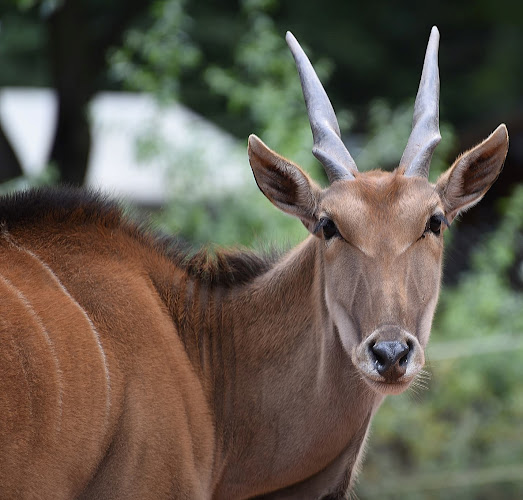
- African savanna recreation – Multi-species habitat housing zebras, antelopes, and other grassland species in a shared environment
- Climate-controlled tropical house – Year-round warm environment featuring exotic birds, reptiles, and lush vegetation
- Natural lake ecosystem – Central water feature that serves multiple animal habitats and creates a peaceful atmosphere
- Interactive playground – Dedicated children's area with animal-themed equipment and educational elements
- Full accessibility features – Wheelchair-accessible pathways, restrooms, parking, and seating throughout the facility
- Modern payment systems – Accepts credit cards, debit cards, and contactless mobile payments for convenience
- Birthday party facilities – Special programs and spaces available for children's celebrations
- Inclusive environment – Welcoming space for all visitors regardless of background or identity
Best Time to Visit
Timing your visit to Zoo Kaiserslautern can significantly impact your experience, and I've learned this through both personal observation and talking with regular visitors. Spring months from April through May offer the sweet spot – animals are more active after winter, babies are often born during this period, and the weather is pleasant for walking the grounds.
Early morning visits, particularly when the zoo opens, provide the best animal viewing opportunities. Many species are most active during cooler hours, and you'll avoid the afternoon crowds that tend to build up, especially on weekends. The tigers, in particular, are much more likely to be moving around and displaying natural behaviors before the heat of midday sets in.
Summer visits have their advantages too, mainly because the tropical house becomes a refuge from hot weather rather than just an interesting exhibit. However, some outdoor animals may be less active during peak heat hours between 12 PM and 3 PM. Plan accordingly by visiting these exhibits either early or later in the day.
Winter shouldn't be dismissed entirely. While some animals may be less visible, others actually become more active in cooler temperatures. Plus, the tropical house becomes even more appealing when there's snow outside. The zoo typically has fewer visitors during colder months, creating a more intimate experience.
Weekdays generally offer a more relaxed atmosphere compared to weekends, when local families understandably flock to the zoo. If you're traveling with flexibility in your schedule, Tuesday through Thursday visits often provide the best balance of active animals and manageable crowd levels.
How to Get There
Reaching Zoo Kaiserslautern is surprisingly straightforward, whether you're relying on public transportation or driving. The Saar-Pfalz-Bus line 140 provides direct service to the zoo, making it accessible even for travelers without rental cars. This bus route connects to Kaiserslautern's main transportation hub, where you can catch regional trains from major German cities.
If you're coming by automobile, the zoo offers wheelchair-accessible parking on-site. The drive from major cities is quite reasonable – about 45 minutes from Mannheim, roughly an hour from Frankfurt, and just over two hours from Stuttgart. The surrounding roads are well-maintained, and GPS navigation systems reliably guide you to the entrance.
For international travelers, Frankfurt Airport serves as the most convenient entry point into Germany. From there, you can rent a car or take regional trains to Kaiserslautern, then connect to local bus service. The entire journey typically takes 2-3 hours depending on connection times.
Train enthusiasts will appreciate that Kaiserslautern sits on major railway lines connecting French and German rail networks. The city's Hauptbahnhof (main station) provides connections throughout Europe, and from there the bus system efficiently transports visitors to the zoo.
Those staying in Kaiserslautern's city center will find the zoo easily accessible by local public transportation. Many hotels can provide specific directions and bus schedules, and some even offer package deals that include zoo admission.
Tips for Visiting
Smart planning can transform a good zoo visit into an exceptional one. Start by downloading offline maps or taking a photo of the zoo layout near the entrance – cell coverage can be spotty in some areas, and having navigation backup prevents missed exhibits.
Bring layers, even in summer. The tropical house maintains high humidity and warmth year-round, while outdoor exhibits can feel significantly cooler, especially near the lake. I've seen too many visitors uncomfortable because they dressed for just one environment.
The zoo accepts various payment methods, but carrying some cash never hurts for small purchases or tips. Their contactless payment systems work well, though having backup options provides peace of mind.
Photography enthusiasts should pack a telephoto lens – many enclosures are designed with natural barriers that create distance between visitors and animals. Early morning light provides the best conditions for capturing animal behavior, and the lake area offers particularly scenic shots.
Parents traveling with young children should definitely take advantage of the playground, but also consider bringing snacks and water. While the zoo has facilities, having supplies readily available keeps kids comfortable and prevents meltdowns during longer visits.
The wheelchair accessibility features work well, but some paths have gentle slopes that might require assistance. If you're traveling with someone who uses mobility aids, plan for slightly longer transit times between exhibits.
Don't rush through the tropical house. Many visitors breeze through quickly, missing the smaller species and intricate ecosystem details. The humidity takes a moment to adjust to, but once comfortable, you'll notice birds, reptiles, and plant species that reward careful observation.
Consider visiting during feeding times when possible – staff members often share educational information during these periods, and animals display more natural behaviors. Ask at the entrance about feeding schedules for species you're most interested in seeing.
Finally, the zoo's commitment to inclusivity means all visitors can feel welcome and comfortable. Staff members are generally knowledgeable and helpful, so don't hesitate to ask questions or request assistance when needed. Their passion for wildlife education really shows through in their interactions with visitors.
Key Features
- Key Features
- Best Time to Visit
- How to Get There
- Tips for Visiting
Tours & Activities
GetYourGuide provides this tour inventory. We may earn a commission if you book through it; verify current availability, prices, and terms with the provider.
Visitor Reviews
There are no reviews yet. Be the first one to write one.
Share Your Experience
Have you visited Zoo Kaiserslautern? Help other travelers by leaving a review.