
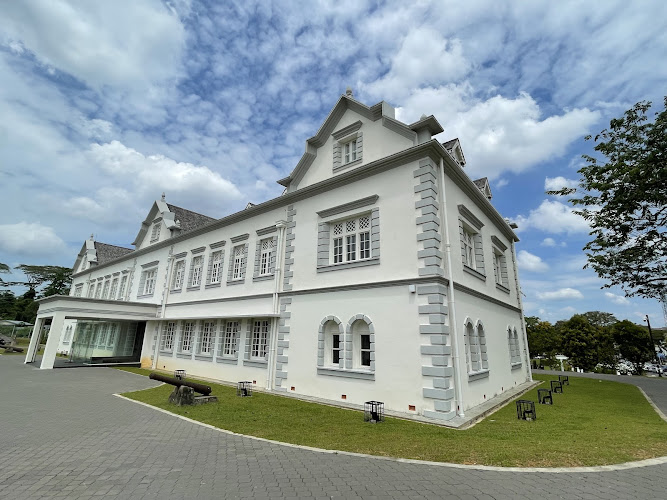
Sarawak Museum
About Sarawak Museum
The Sarawak Museum in Kuching, Malaysia, is one of those places that quietly holds the soul of an entire region. It’s not flashy or overly commercial – it’s authentic, a little nostalgic, and deeply informative. Established in the late 19th century, it’s considered one of the oldest museums in Borneo, and that heritage really seeps through as you walk its halls. You can feel the weight of countless stories folded into its exhibits, some dating back centuries.
Inside, visitors can expect to explore an impressive blend of cultural, archaeological, and natural history displays. From indigenous tribal artifacts that tell of Sarawak’s deep-rooted traditions, to beautifully preserved specimens of the island’s unique wildlife, there’s a diverse mix that caters to both casual wanderers and curious history buffs. And it’s not just rows of static displays – the curators have worked to weave narratives that make it easier to understand the region’s layered past.
Of course, no place is perfect. Some galleries feel a bit older in style compared to modern, interactive museums. But honestly, there’s a certain charm in that – like flipping through your grandparents’ photo albums instead of scrolling Instagram. It feels more grounded, less about entertainment and more about truly learning something. When you’re there, you’re not just killing time – you’re meeting Borneo’s past face-to-face.
Key Features
- Extensive collection of ethnographic artifacts from Indigenous groups of Sarawak
- Natural history exhibits featuring animal specimens unique to Borneo
- Archaeological finds, including pottery and tools from ancient settlements
- Detailed exhibits on the history of Sarawak under Brooke rule
- Temporary exhibitions highlighting regional art and culture
- Renovated sections with improved lighting and display curation
Best Time to Visit
If you’re aiming for cooler, more comfortable weather, the drier months from June to August tend to be friendlier for exploring Kuching in general. That said, the museum itself is indoors and air-conditioned, so you’re shielded from both the sweltering heat and sudden tropical downpours. Weekday mornings tend to be quietest. And if you, like me, prefer to linger at exhibits without feeling rushed along by a big tour group, that’s when you want to go. During school holidays and weekends it gets a little more lively – which can be fun if you enjoy that buzz, but it’s definitely a different vibe.
How to Get There
Kuching city center is compact, so if you’re staying nearby, you can easily stroll over. There’s a pleasant walk along tree-lined streets and, if you’re lucky, a light breeze that makes the journey even better. For those staying further out, taxis, ride-hailing apps, and local buses make it quite accessible. Public transport isn’t complicated here – but you do need to check timings, as they can be infrequent. If this is your first time in Kuching, pairing the museum visit with a small walking tour of the historic district works perfectly. Honestly, there’s something satisfying about arriving on foot and taking in the old colonial buildings in the area along the way.
Tips for Visiting
Wear comfortable shoes – yes, it’s indoors, but you’ll find yourself wandering back and forth between displays more than you expect. Keep in mind photography rules; in some sections, flash is not allowed (which is fair, given the delicate nature of certain items). Bring a small notebook if you’re the type who likes jotting down fascinating tidbits – the place is packed with those little details you’ll want to remember.
If you’re traveling with children, there are enough visually engaging displays to hold their attention for a while, but plan to break up the visit. There’s a small park nearby where they can run off some energy before or after. And here’s a personal suggestion: take your time upstairs in the ethnography galleries. I once spent an hour just studying the intricacy of the beadwork on an Iban ceremonial costume – it’s hard to imagine the patience and skill that went into creating something that’s lasted generations. Those are the moments where you realize why museums matter, even in our fast-scroll era.
Lastly, keep an open mind. You might arrive thinking you’ll pop in for 30 minutes and leave, but you could very well find yourself two hours later, still tracing the threads of Sarawak’s history. And that’s the real magic of the Sarawak Museum – it doesn’t just show you objects; it pulls you, ever so gently, into the stories behind them.
Key Features
- Extensive collection of ethnographic artifacts from Indigenous groups of Sarawak
- Natural history exhibits featuring animal specimens unique to Borneo
- Archaeological finds, including pottery and tools from ancient settlements
- Detailed exhibits on the history of Sarawak under Brooke rule
- Temporary exhibitions highlighting regional art and culture
- Renovated sections with improved lighting and display curation
You Might Also Like

Bako National Park

Bako National Park Carpark and Boat Jetty

Batu Kawah Riverbank Park
Tours & Activities
GetYourGuide provides this tour inventory. We may earn a commission if you book through it; verify current availability, prices, and terms with the provider.
Visitor Reviews
There are no reviews yet. Be the first one to write one.
Share Your Experience
Have you visited Sarawak Museum? Help other travelers by leaving a review.