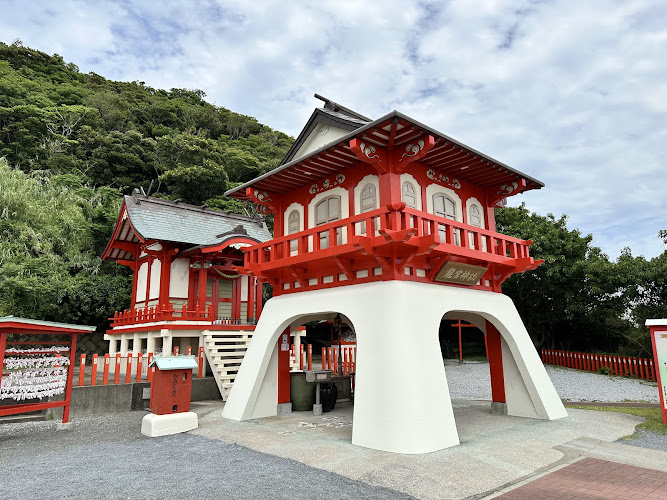
This sacred Shinto shrine, dedicated to Ryujin the sea god, occupies a dramatic position at the southernmost tip of the Satsuma Peninsula in Kagoshima Prefecture. What makes this place truly special isn’t just its religious significance – it’s the legendary connection to Urashima Taro, Japan’s beloved fisherman hero whose tale has enchanted generations.
The shrine’s striking vermillion torii gates create an almost surreal contrast against the crystalline blue waters of Kyushu’s coast. And honestly, photos don’t do justice to the raw beauty you’ll witness here. The traditional wooden prayer boards (called Mamori) flutter in the ocean breeze while waves crash against the shell-covered sands below, creating an atmosphere that feels both mystical and profoundly peaceful.
Unlike many tourist destinations that feel commercialized, Ryūgū Shrine maintains an authentic spiritual atmosphere. Visitors often describe feeling transported into one of Japan’s ancient fairy tales – which makes perfect sense considering this is supposedly where Urashima Taro began his legendary journey to the Dragon King’s underwater palace. The shrine also honors Princess Toyotama, adding another layer of mythological richness to your visit.
But here’s something most guidebooks won’t tell you: the shrine experiences varying levels of visitor satisfaction. While many travelers find it absolutely magical, others feel it’s smaller than expected or challenging to reach. This honest reality means setting appropriate expectations will greatly enhance your experience.
Key Features
The shrine offers several distinctive elements that create an unforgettable experience:
Best Time to Visit
Timing your visit to Ryūgū Shrine can make the difference between a good experience and an extraordinary one. Spring and early summer (April through June) offer the most comfortable weather conditions with mild temperatures and lower humidity. The ocean appears especially brilliant during these months, and you’ll avoid the intense heat that can make the coastal location quite challenging later in summer.
Fall months (September through November) provide another excellent window, particularly for photographers. The lighting during autumn creates stunning contrasts between the red torii gates and the deep blue sea. Plus, you’re more likely to encounter loggerhead sea turtles near the adjacent beaches during their nesting season, which typically runs from May through August.
Winter visits aren’t impossible, but they come with trade-offs. While you’ll encounter fewer crowds, the weather can be unpredictable with strong coastal winds. However, if you don’t mind bundling up, winter storms can create dramatic wave action that adds intensity to the shrine’s already powerful atmosphere.
Avoid the peak summer months of July and August unless you’re particularly heat-tolerant. The combination of high temperatures, humidity, and limited shade can make the experience uncomfortable, especially considering the somewhat challenging access to reach the shrine.
Early morning visits (around 7-9 AM) or late afternoon (4-6 PM) provide the best lighting and fewer crowds regardless of season. The golden hour particularly enhances the shrine’s photogenic qualities, making your images look almost otherworldly.
How to Get There
Getting to Ryūgū Shrine requires some planning since it’s located in a relatively remote coastal area. Your journey will likely begin in Kagoshima city, from where you’ll need to navigate to the Satsuma Peninsula’s southern tip.
The most practical approach involves renting a car, which gives you flexibility and eliminates the complexity of coordinating multiple public transportation connections. From Kagoshima city, drive south toward Ibusuki, then continue to Cape Nagasakibana. The total driving time runs approximately 90 minutes, depending on traffic and weather conditions.
Public transportation exists but requires patience and careful timing. Take the JR Ibusuki-Makurazaki Line to Nishi-Oyama Station, then catch a local bus toward Nagasakibana. Bus schedules can be infrequent, so check current timetables before departing. The bus journey adds another 30-40 minutes to your travel time.
Some visitors choose organized tours that include Ryūgū Shrine as part of broader Satsuma Peninsula exploration. These tours often combine the shrine visit with other coastal attractions and provide transportation, local guide services, and cultural context. While more expensive than independent travel, tours eliminate navigation concerns and offer insights you might miss traveling alone.
The final approach to the shrine involves a short walk along coastal paths. Wear appropriate footwear since the terrain can be uneven, and ocean spray sometimes makes surfaces slippery. The walk itself becomes part of the experience, building anticipation as the shrine gradually comes into view against the ocean backdrop.
Tips for Visiting
Successful Ryūgū Shrine visits depend heavily on preparation and realistic expectations. First and most importantly – bring sun protection. The coastal location offers minimal shade, and the sun’s reflection off the water intensifies UV exposure significantly. A wide-brimmed hat, sunglasses, and high-SPF sunscreen aren’t optional here.
Dress respectfully since this remains an active Shinto shrine where locals come to worship. Avoid revealing clothing, and remove hats when approaching the main shrine structures. But also dress practically – you’ll be walking on uneven coastal terrain with potential ocean spray.
Photography enthusiasts should bring extra memory cards and battery power. The scenic opportunities are numerous, but the remote location means no chance to purchase forgotten equipment. Consider a lens cloth for removing salt spray from your camera gear.
Plan for limited facilities. While restrooms are available, food and drink options are scarce. Bring water and snacks, especially during warmer months when dehydration becomes a real concern. The nearest convenience stores are quite distant.
Weather can change rapidly in coastal locations. Check forecasts before departing, and consider bringing light rain gear even if skies look clear. Ocean storms can develop quickly, and you don’t want to be caught unprepared.
Allow ample time for your visit. Many travelers underestimate both travel time and the desire to linger once they arrive. The shrine’s peaceful atmosphere encourages slower exploration, and rushing through defeats the purpose of experiencing this spiritual location.
Learn basic Urashima Taro story elements before arriving. Understanding the folklore adds significant depth to your visit and helps you appreciate details you might otherwise overlook. The legend’s themes of time, transformation, and ocean mystery resonate more strongly when you’re standing in the supposed setting.
Consider visiting during weekdays if possible. Weekend crowds can diminish the serene atmosphere that makes Ryūgū Shrine special. The shrine’s mystical qualities shine brightest when you can experience some solitude with the ocean and ancient stories that define this remarkable place.
 Real Journey Travels