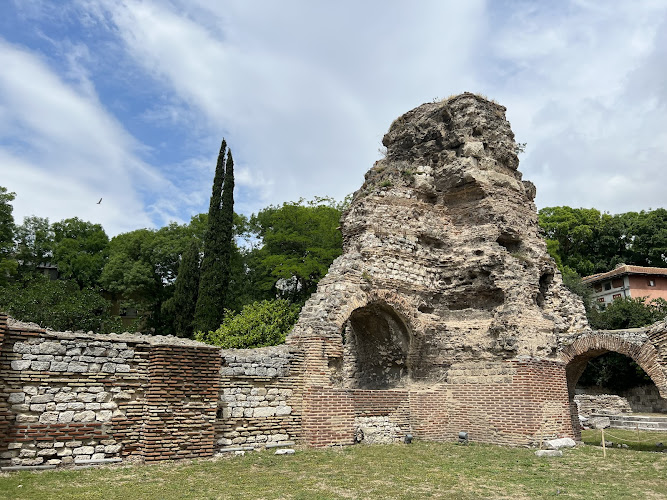
Standing amid the remains of what was once the buzzing Roman city of Odessus, these ancient baths tell stories of luxury, community, and surprisingly advanced engineering. Built in the late 2nd century CE, the complex spans over 7,000 square meters—making it the largest ancient public building ever discovered in Bulgaria and one of the biggest Roman bathhouses in Europe. When you walk through the crumbling arches and weathered marble floors, you can almost picture toga-clad citizens chatting about politics or trade while steam curled through the air.
What’s fascinating is how intact parts of it still are. You can see the hypocaust system—basically the Roman version of underfloor heating—that once kept the floors warm. The scale of the place is staggering, especially when you realize it wasn’t just for bathing. It was a social hub, a place for gossip, business deals, and even a bit of relaxation after a long day at the port. I remember the first time I visited; I was struck by how massive the walls were, towering above me like silent witnesses of centuries gone by. There’s something humbling about standing in a spot where emperors’ envoys, merchants, and common townsfolk all once mingled.
While the site is mostly ruins today, it’s remarkably well-preserved. You can still trace the outlines of the different rooms—the frigidarium (cold bath), the tepidarium (warm bath), and the caldarium (hot bath). Even the remnants of the vaulted ceilings give you a sense of the grandeur that once defined this place. Some visitors find it haunting, others awe-inspiring. Personally, I think it’s both. There’s a quiet dignity to the stones, a kind of whisper from the past reminding you that civilizations rise and fall, but their stories linger.
Best Time to Visit
If you ask me, spring and early autumn are the sweet spots. The weather in Varna is mild, the crowds are thinner, and the sunlight hits the old stones just right—casting long, golden shadows that make the ruins look even more dramatic. Summer, of course, is the most popular time, especially since the city’s beaches are only a short walk away. But it can get hot, and wandering around ancient ruins under the blazing sun isn’t everyone’s idea of fun. I once visited in July and ended up hiding in the shade of a Roman arch, sipping water and wondering how the ancients managed without sunscreen.
Winter, on the other hand, has its own charm. The site is quieter, almost meditative. You might even have it all to yourself, which makes it easier to imagine what life here might have been like centuries ago. Just bring a jacket—the sea breeze can be chilly. If you’re into photography, the low winter light is magical for capturing the textures of the stone and the contrast between the ruins and the modern city skyline.
How to Get There
The Roman Thermae sit right in the heart of Varna, in the area once known as Odessus. It’s easy to reach on foot if you’re staying in the city center. For those coming from farther away, several public buses stop nearby, making it simple to hop off and start exploring. The site is well-signposted, so you won’t have trouble finding it. I’d recommend walking though—there’s something special about approaching the ruins slowly, letting them reveal themselves bit by bit as you turn the corner.
If you’re driving, parking can be a bit tricky during peak tourist season, so plan accordingly. Taxis are plentiful and affordable, and local drivers usually know the site well. Plus, the route takes you through some charming Varna streets lined with cafés and little shops, which makes the journey part of the experience. You might even stop for a quick espresso before heading in—because why not?
Tips for Visiting
Here’s the thing about visiting places like the Roman Thermae—you get out of it what you put in. It’s not a flashy, high-tech museum with interactive displays (though the local museum nearby does a great job if you want more context). It’s raw history, open to the elements, and it rewards curiosity. So take your time. Walk slowly. Let your imagination fill in the gaps where the walls have crumbled.
- Wear comfortable shoes: The ground can be uneven, and you’ll want to explore every corner without worrying about your feet.
- Bring water: Especially in summer, as there’s little shade and no café on-site.
- Visit early or late in the day: The light is softer, the air cooler, and the crowds fewer.
- Take a guided tour: Local guides are passionate and full of stories you won’t find on information boards.
- Good for families: Kids can roam safely and learn about Roman life in a hands-on way.
- Photography tip: Try capturing the site from different angles—especially the arches against the sky or the play of light and shadow across the stone.
One more thing—don’t rush off right after. There’s a small park nearby where you can sit and reflect for a bit. I sometimes grab a snack from a local bakery and just watch the sun dip behind the ruins. It’s a simple pleasure, but honestly, those quiet moments often end up being the most memorable part of any trip.
For travelers who love history, architecture, or just the feeling of walking through time, the Roman Thermae of Varna are a must-see. They’re more than just ruins—they’re a reminder of how people, centuries ago, found ways to connect, relax, and live life fully. And if you listen closely, you might just hear the faint echoes of laughter and conversation carried on the sea breeze. That’s the magic of this place—it’s ancient, yes, but it still feels alive.
 Real Journey Travels