
Petersen House Museum
About Petersen House Museum
Description
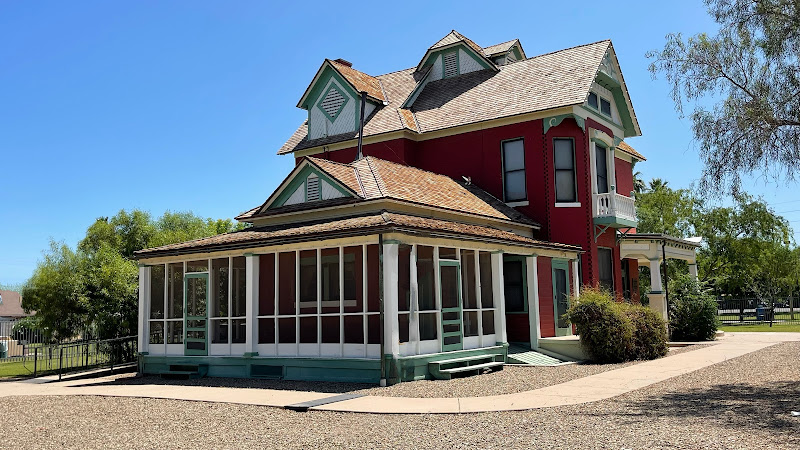
The Petersen House Museum is a small, appointment-only local history museum in Tempe that manages to feel larger than its footprint. It sits within a park-like setting and presents the story of neighborhood life, early settlers, and community development through a collection of period rooms, photographs, and everyday objects that, together, paint a surprisingly intimate picture of local history. Visitors who like details will find it rewarding: the place cares about the small things — the family recipes, handmade furniture, the postcards from 1910 — the sort of artifacts that make history feel lived-in rather than staged.
The museum operates primarily by scheduled tours, so the experience leans toward guided interpretation rather than wander-and-read displays. That means docents — often local volunteers with a soft spot for the neighborhood’s past — are central to the visit. They’ll point out odd little facts, share neighborhood gossip from a century ago, and usually have a story or two about long-ago summer storms or the time a parade shut down nearby streets. It creates a personal atmosphere: one visitor might tell you about being shown a photograph that included her grandmother, and you’ll watch a grown person get unexpectedly teary. That happens here. It’s part history lesson, part community memory session.
Practical features matter here: the museum offers onsite services and is accessible, with a wheelchair accessible entrance and a wheelchair accessible parking lot. Families tend to appreciate that accessibility coupled with a hands-on approach during tours — children are encouraged to ask questions, and staff often tailor explanations to younger audiences. But it’s wise to remember the museum is not an amusement park; artifacts are treated carefully, and interactive elements are more about storytelling and engagement than noisy exhibits.
Expect a visit to feel cozy and concentrated. The building itself is a part of the exhibit: the architecture, room layout, and even the cracks in the woodwork tell a story. Because visits are by appointment, the crowd size is intentionally limited. That makes for a relaxed pace, close-up looks at objects, and the ability to ask lots of questions. And while there isn’t a restaurant on site, the adjacent park space invites a picnic or a short stroll afterward.
Fair warning — some visitors love the quiet, personal vibe; others wish for more hours, a larger collection, or more frequent programming. In other words, the Petersen House Museum will charm many, but it rewards patience and planning. If a museum that prioritizes local stories, personable guides, and accessibility sounds appealing, this place should be on the Tempe list.
Key Features
- Open by appointment only — intimate, guided experiences with knowledgeable docents
- Local history museum focusing on neighborhood life, period rooms, and community artifacts
- Wheelchair accessible entrance and wheelchair accessible parking lot
- Onsite services provided by staff and volunteers
- Offers tours geared to adults, families, and school groups
- Family-friendly — good for kids with age-appropriate storytelling and engagement
- Park setting that lends itself to picnics and outdoor exploration after the tour
- No on-site restaurant — bring snacks or plan to eat nearby
- Small-scale museum that rewards questions and curiosity
Best Time to Visit
Timing matters here, and not just because reservations are required. Tempe’s climate is a big factor: cooler months from late fall through early spring are generally the most comfortable for combining the appointment at the museum with outdoor time in the park. If a visitor prefers to linger outside after a tour — to eat, walk, or explore nearby green space — mornings and late afternoons are prime in those cooler seasons.
But because the museum limits visitors by appointment, weekday mornings often deliver the quietest, most attentive experience. School groups and community organizations schedule some afternoons, so if a peaceful tour is desired, aim for a midweek slot. Conversely, if the visitor enjoys the buzz of a small group and the chance to meet other local history fans, a weekend appointment (when available) can be lively.
Summer visits require a bit more planning: temperatures in Tempe can climb fast, so guests should try to book early morning appointments and arrive prepared with water and sun protection for any outdoor moments. The museum itself offers a shelter from the heat, but outdoor walking and waiting in the parking areas can be uncomfortable mid-day in summer.
Special events and seasonal programming do pop up from time to time. These are often announced through local community calendars and by word-of-mouth, so if someone wants a richer, program-driven experience — like a themed talk or a community heritage event — it’s worth checking availability and asking the museum staff when making an appointment.
How to Get There
Getting to the Petersen House Museum is straightforward whether a traveler drives, rides public transit, or calls a rideshare. Driving is the most common choice for visitors from nearby neighborhoods or other parts of the metro area. Onsite parking includes a wheelchair accessible parking lot, and there’s usually a clearly marked drop-off point close to the entrance for those who need it. GPS navigation works fine; just remember the last leg might be a short walk through park grounds, so plan accordingly.
Public transportation options are available in Tempe, and many visitors combine a light rail or bus trip with a short taxi or rideshare from central stops. That’s a good option if parking is limited or if one plans to combine the museum stop with other Tempe attractions. Biking is also a feasible choice for locals and adventurous travelers; Tempe is generally bike-friendly, and park pathways make for a pleasant approach to the museum. If a visitor chooses to bike, bringing a lock is recommended.
For groups and those with mobility needs, the museum staff will usually advise on the best access points when an appointment is made. There’s onsite support for visitors who need assistance getting from their car to the entrance, and staff are used to accommodating a variety of accessibility needs — just mention requirements when scheduling the visit.
Tips for Visiting
Plan ahead. Because the museum is open by appointment only, visitors should call or email to secure a time slot. Walk-ins are rarely possible, so it’s the number one tip: book first, show up when requested.
Allow 45–90 minutes. The average visit lasts about an hour, which gives enough time for the guided tour, a quick look at exhibits, and a few questions. If someone really likes to linger or has a group with lots of questions, plan for a longer slot.
Bring water and comfortable shoes. This sounds basic, but in Tempe heat, hydration matters. The museum lacks a restaurant, so if a visitor intends to picnic in the adjoining park, bringing snacks makes sense. And wear comfortable shoes — even though it’s a small museum, visitors often want to explore the grounds afterwards.
Ask questions. The docents are the heart of the experience. They’ll happily dive into family histories, point out little-known artifacts, or explain why a certain piece is important to the story of the area. If something in a photo or display sparks curiosity, speak up — the ensuing stories are often the highlight.
Mind the rules about photography. Policies can vary, so check when booking. Many small museums limit flash photography or close-up shots of fragile items, but casual photos for personal use are often allowed with permission. A quick ask at the start of the tour keeps things friendly and clear.
Kids are welcome, but prepare them. The museum is good for children, with approachable explanations and a family-friendly atmosphere. Still, it’s not a hands-on playground — fragile items need respect. A bit of advance prep — telling kids what to look for or giving them a scavenger-hunt style prompt — can transform the visit into a learning adventure without risking the artifacts.
Combine stops nearby. Because the museum is park-adjacent, visitors can plan a low-key outing: museum appointment, picnic, short walk. There are also nearby community spots and neighborhoods worth strolling through if time allows. But remember: no restaurant on site, so either pack a picnic or plan a stop before or after the visit.
Expect small-scale charm, not blockbuster exhibits. The Petersen House Museum excels at close-up stories and local memory. It’s not a sprawling institution with broad, sweeping displays. If a traveler is seeking in-depth local history, quaint period rooms, and personable tours, then they’ll likely leave satisfied. If someone wants a massive, interactive museum experience, that’s not what this place aims to be.
Consider group and school visits. Teachers and group leaders will find the museum flexible for educational tours. Advance notice helps staff prepare age-appropriate material and staffing. And donations are appreciated — small museums rely on community support to stay open and to expand programs.
Final little nugget: when a visitor leaves, they often mention one small thing that stuck with them — a handwritten recipe, a tiny tool, an old storefront sign — moments that, for some reason, make the past feel a touch more proximate. That’s the Petersen House Museum’s quiet strength. If you enjoy places that reward curiosity and conversation, it’s worth the appointment.
Key Features
- Restored 1892 Queen Anne Victorian architecture
- Period-furnished rooms with original-style artifacts
- Appointment-only guided tours with interpretive staff
- Located in a park-like setting near other Tempe history sites
- Operated by the Tempe History Museum with rotating programs/events
More Details
Updated August 30, 2025
Table of Contents
Description
The Petersen House Museum is a small, appointment-only local history museum in Tempe that manages to feel larger than its footprint. It sits within a park-like setting and presents the story of neighborhood life, early settlers, and community development through a collection of period rooms, photographs, and everyday objects that, together, paint a surprisingly intimate picture of local history. Visitors who like details will find it rewarding: the place cares about the small things — the family recipes, handmade furniture, the postcards from 1910 — the sort of artifacts that make history feel lived-in rather than staged.
The museum operates primarily by scheduled tours, so the experience leans toward guided interpretation rather than wander-and-read displays. That means docents — often local volunteers with a soft spot for the neighborhood’s past — are central to the visit. They’ll point out odd little facts, share neighborhood gossip from a century ago, and usually have a story or two about long-ago summer storms or the time a parade shut down nearby streets. It creates a personal atmosphere: one visitor might tell you about being shown a photograph that included her grandmother, and you’ll watch a grown person get unexpectedly teary. That happens here. It’s part history lesson, part community memory session.
Practical features matter here: the museum offers onsite services and is accessible, with a wheelchair accessible entrance and a wheelchair accessible parking lot. Families tend to appreciate that accessibility coupled with a hands-on approach during tours — children are encouraged to ask questions, and staff often tailor explanations to younger audiences. But it’s wise to remember the museum is not an amusement park; artifacts are treated carefully, and interactive elements are more about storytelling and engagement than noisy exhibits.
Expect a visit to feel cozy and concentrated. The building itself is a part of the exhibit: the architecture, room layout, and even the cracks in the woodwork tell a story. Because visits are by appointment, the crowd size is intentionally limited. That makes for a relaxed pace, close-up looks at objects, and the ability to ask lots of questions. And while there isn’t a restaurant on site, the adjacent park space invites a picnic or a short stroll afterward.
Fair warning — some visitors love the quiet, personal vibe; others wish for more hours, a larger collection, or more frequent programming. In other words, the Petersen House Museum will charm many, but it rewards patience and planning. If a museum that prioritizes local stories, personable guides, and accessibility sounds appealing, this place should be on the Tempe list.
Key Features
- Open by appointment only — intimate, guided experiences with knowledgeable docents
- Local history museum focusing on neighborhood life, period rooms, and community artifacts
- Wheelchair accessible entrance and wheelchair accessible parking lot
- Onsite services provided by staff and volunteers
- Offers tours geared to adults, families, and school groups
- Family-friendly — good for kids with age-appropriate storytelling and engagement
- Park setting that lends itself to picnics and outdoor exploration after the tour
- No on-site restaurant — bring snacks or plan to eat nearby
- Small-scale museum that rewards questions and curiosity
Best Time to Visit
Timing matters here, and not just because reservations are required. Tempe’s climate is a big factor: cooler months from late fall through early spring are generally the most comfortable for combining the appointment at the museum with outdoor time in the park. If a visitor prefers to linger outside after a tour — to eat, walk, or explore nearby green space — mornings and late afternoons are prime in those cooler seasons.
But because the museum limits visitors by appointment, weekday mornings often deliver the quietest, most attentive experience. School groups and community organizations schedule some afternoons, so if a peaceful tour is desired, aim for a midweek slot. Conversely, if the visitor enjoys the buzz of a small group and the chance to meet other local history fans, a weekend appointment (when available) can be lively.
Summer visits require a bit more planning: temperatures in Tempe can climb fast, so guests should try to book early morning appointments and arrive prepared with water and sun protection for any outdoor moments. The museum itself offers a shelter from the heat, but outdoor walking and waiting in the parking areas can be uncomfortable mid-day in summer.
Special events and seasonal programming do pop up from time to time. These are often announced through local community calendars and by word-of-mouth, so if someone wants a richer, program-driven experience — like a themed talk or a community heritage event — it’s worth checking availability and asking the museum staff when making an appointment.
How to Get There
Getting to the Petersen House Museum is straightforward whether a traveler drives, rides public transit, or calls a rideshare. Driving is the most common choice for visitors from nearby neighborhoods or other parts of the metro area. Onsite parking includes a wheelchair accessible parking lot, and there’s usually a clearly marked drop-off point close to the entrance for those who need it. GPS navigation works fine; just remember the last leg might be a short walk through park grounds, so plan accordingly.
Public transportation options are available in Tempe, and many visitors combine a light rail or bus trip with a short taxi or rideshare from central stops. That’s a good option if parking is limited or if one plans to combine the museum stop with other Tempe attractions. Biking is also a feasible choice for locals and adventurous travelers; Tempe is generally bike-friendly, and park pathways make for a pleasant approach to the museum. If a visitor chooses to bike, bringing a lock is recommended.
For groups and those with mobility needs, the museum staff will usually advise on the best access points when an appointment is made. There’s onsite support for visitors who need assistance getting from their car to the entrance, and staff are used to accommodating a variety of accessibility needs — just mention requirements when scheduling the visit.
Tips for Visiting
Plan ahead. Because the museum is open by appointment only, visitors should call or email to secure a time slot. Walk-ins are rarely possible, so it’s the number one tip: book first, show up when requested.
Allow 45–90 minutes. The average visit lasts about an hour, which gives enough time for the guided tour, a quick look at exhibits, and a few questions. If someone really likes to linger or has a group with lots of questions, plan for a longer slot.
Bring water and comfortable shoes. This sounds basic, but in Tempe heat, hydration matters. The museum lacks a restaurant, so if a visitor intends to picnic in the adjoining park, bringing snacks makes sense. And wear comfortable shoes — even though it’s a small museum, visitors often want to explore the grounds afterwards.
Ask questions. The docents are the heart of the experience. They’ll happily dive into family histories, point out little-known artifacts, or explain why a certain piece is important to the story of the area. If something in a photo or display sparks curiosity, speak up — the ensuing stories are often the highlight.
Mind the rules about photography. Policies can vary, so check when booking. Many small museums limit flash photography or close-up shots of fragile items, but casual photos for personal use are often allowed with permission. A quick ask at the start of the tour keeps things friendly and clear.
Kids are welcome, but prepare them. The museum is good for children, with approachable explanations and a family-friendly atmosphere. Still, it’s not a hands-on playground — fragile items need respect. A bit of advance prep — telling kids what to look for or giving them a scavenger-hunt style prompt — can transform the visit into a learning adventure without risking the artifacts.
Combine stops nearby. Because the museum is park-adjacent, visitors can plan a low-key outing: museum appointment, picnic, short walk. There are also nearby community spots and neighborhoods worth strolling through if time allows. But remember: no restaurant on site, so either pack a picnic or plan a stop before or after the visit.
Expect small-scale charm, not blockbuster exhibits. The Petersen House Museum excels at close-up stories and local memory. It’s not a sprawling institution with broad, sweeping displays. If a traveler is seeking in-depth local history, quaint period rooms, and personable tours, then they’ll likely leave satisfied. If someone wants a massive, interactive museum experience, that’s not what this place aims to be.
Consider group and school visits. Teachers and group leaders will find the museum flexible for educational tours. Advance notice helps staff prepare age-appropriate material and staffing. And donations are appreciated — small museums rely on community support to stay open and to expand programs.
Final little nugget: when a visitor leaves, they often mention one small thing that stuck with them — a handwritten recipe, a tiny tool, an old storefront sign — moments that, for some reason, make the past feel a touch more proximate. That’s the Petersen House Museum’s quiet strength. If you enjoy places that reward curiosity and conversation, it’s worth the appointment.
Key Highlights
- Restored 1892 Queen Anne Victorian architecture
- Period-furnished rooms with original-style artifacts
- Appointment-only guided tours with interpretive staff
- Located in a park-like setting near other Tempe history sites
- Operated by the Tempe History Museum with rotating programs/events
Location
Places to Stay Near Petersen House Museum
Find and Book a Tour
Explore More Travel Guides
No reviews found! Be the first to review!
Traveler Reviews for Petersen House Museum
There are no reviews yet. Be the first one to write one.
Have you visited Petersen House Museum? Help other travelers by sharing your review.
Nearby Attractions
You Might Also Like
LEGOLAND Discovery Center Arizona
Rio Salado Park
Arizona Heritage Center
Find Accommodations Nearby
Recommended Tours & Activities
Visitor Reviews
There are no reviews yet. Be the first one to write one.
Share Your Experience
Have you visited Petersen House Museum? Help other travelers by leaving a review.