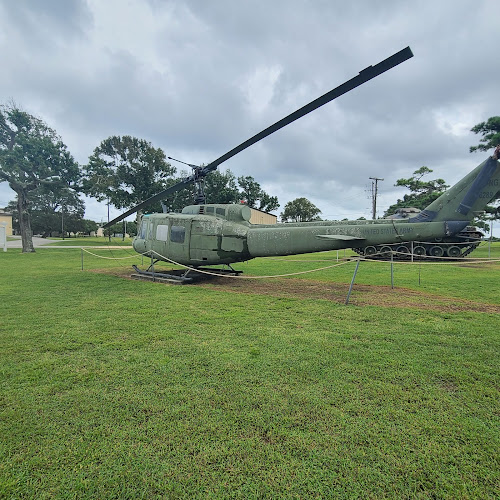
The museum traces local and statewide military stories, with particular emphasis on the coastal conflicts and the role the Cape Fear region played in American wars. Exhibits feature uniforms, maps, photographs, and a surprising number of personal artifacts that make war history feel human-sized — not just grand strategy on a board but the daily life, the letters home, the little everyday objects that survived battles and time.
Visitors will notice an attention to narrative: displays are arranged to tell the sequence of events rather than simply cataloging objects. There is a steady thread from early coastal defenses through Civil War engagements to 20th-century conflicts, all placed in the local context — Fort Fisher is referenced repeatedly, and the museum helps connect the dots between that nearby historic site and the artifacts on the walls. For travelers who come to the coast for the sand and seafood, this museum offers a welcome detour: it adds depth to a beach trip by explaining why the shoreline here mattered so much to naval operations and supply lines.
Accessibility is a practical strong point. The building has a wheelchair-accessible entrance, an accessible parking lot, and wheelchair-accessible restrooms. Those details may sound small, but when planning a visit with family members of different mobility needs, they matter a lot. The museum is compact enough that a multi-generational group can move through exhibits together without getting tired out, and the layout makes it easier to linger where interest is highest.
It’s not a giant national museum, and that’s part of its charm. The museum gives time to local stories that larger institutions can miss: veterans’ remembrances, coastal defense strategies, and the sketches, models, and maps used by commanders. But visitors should know: there’s no full-service restaurant on site. There are restrooms and on-site parking, though, so basic comforts are covered. Families with kids will find the museum kid-friendly — labels use plain language, and several exhibits are tactile or visually engaging for curious children.
Overall, the North Carolina Military History Museum offers a compact, educational, and often moving look at military history as it unfolded along North Carolina’s coast. Some visitors come expecting sprawling galleries and leave pleasantly surprised by the depth of local stories. Others, seeking blockbuster war artifacts, may find the focus quieter and more interpretive. That balance — interpreted, intimate, local — is what helps this museum stand out among coastal attractions.
Key Features
- Educational focus — great for short visits, homeschool groups, and travelers wanting historical depth
Best Time to Visit
The best time to visit is during the shoulder seasons — spring and fall — when the coastal region is less crowded and the heat is milder. Morning visits on weekdays usually offer the calmest experience; galleries are quieter and labels can be read without jostling through a crowd. But the museum is also a sensible rainy-day plan during summer: if the forecast looks stormy, a couple of hours indoors here adds historical texture to a beach town itinerary.
For travelers hoping to pair the museum with outdoor historic sites, schedule the museum visit early and then head to Fort Fisher State Historic Site or the surrounding battlefield locations later in the day. That way, the artifacts and stories seen inside will make the outdoor remains come alive — maps and exhibits inside the museum often reference field positions, batteries, and landing zones that visitors will later see in situ.
Special events and commemorations can add interest, though they may draw crowds. If the museum hosts a veterans’ speakers series or a remembrance ceremony, expect a different atmosphere: respectful, sometimes emotional, often very informative. For those who prefer solitude, avoid such event days and pick a weekday morning instead. But frankly, when that kind of program is on, it’s worth the extra people; the firsthand accounts and local historians who appear at these events add an immediacy that static displays can’t replicate.
How to Get There
Reaching the museum is straightforward for most travelers in the Wilmington and Cape Fear region. From the larger towns nearby, a short drive brings visitors through coastal landscapes dotted with beach access points and small shops. The museum provides on-site parking, which simplifies matters for those driving; the parking lot also has designated accessible spaces near the entrance. For drivers, following local signage toward the Kure Beach area and then toward known historic sites will generally lead to the museum without fuss.
Public transit options in this coastal pocket can be limited, so plan ahead if relying on buses or shuttles. Many visitors use rideshares or local taxis from Wilmington or Carolina Beach when they prefer not to drive. The short trip is usually affordable and, honestly, gives one time to enjoy the coastal views without fretting over parking or navigation. For guests staying on the barrier island or in nearby towns, the museum is often a short cab or shuttle ride away.
Those who combine a museum visit with nearby sites — Fort Fisher, the aquarium, or waterfront walking trails — will find it easy to park and walk between stops in a single outing. It’s designed to be a short, connected cultural stop in a longer coastal day, not a half-day trek that requires special transport arrangements. But still: double-check hours and seasonal access for all intended sites so nothing closes just as the group arrives.
Tips for Visiting
- Allow 60–90 minutes for the museum if planning a focused visit; allow up to 2 hours if reading every panel and spending time with personal remembrances.
- Bring water and light snacks. There is no on-site restaurant, and nearby options may close early in off-season months.
- Wear comfortable shoes; while the museum itself is compact, visitors often combine it with outdoor historic sites and a lot of walking.
- Families: a short pre-visit chat about what to expect helps kids focus — point out that many exhibits are about real people and real letters, not just big battles.
- Accessibility: the museum’s wheelchair-accessible entrance, parking, and restroom facilities mean it is a practical visit for guests with mobility needs. Still, call ahead for group accommodations or special assistance if necessary.
- Photography: most artifacts are viewable and photographable for personal use, though flash can harm delicate items. It’s a good idea to ask staff about any restricted areas or fragile displays.
- Combine visits: pair the museum with Fort Fisher State Historic Site or local coastal trails to turn a short stop into a fuller historical day.
- Ask staff about programs and speakers. Informal talks by volunteers or veterans can transform the experience, adding first-person accounts and local lore.
- Budget a small amount for donations or museum support — smaller museums rely on community funding and visitor generosity to keep exhibits fresh and well-maintained.
One small anecdote: the writer remembers a midweek visit years ago when a retired veteran arrived just after opening and sat quietly near a display case of letters. The veteran began telling a volunteer, softly, the story behind one envelope. That unscripted conversation became the highlight of the morning — a reminder that museums like this live in the meeting between object and memory. Travelers who allow time for those moments will get more than dates and artifacts; they’ll get connection.
In short, the North Carolina Military History Museum is a compact, accessible, and thoughtful stop for travelers who want to deepen their understanding of the Cape Fear region’s wartime past. It doesn’t overwhelm. Instead, it rewards attention: follow a map, read a letter, and then go stand on a nearby stretch of sand where history once unfolded. The contrast between museum quiet and the wind on the shore is, for many visitors, the most memorable part.
 Real Journey Travels