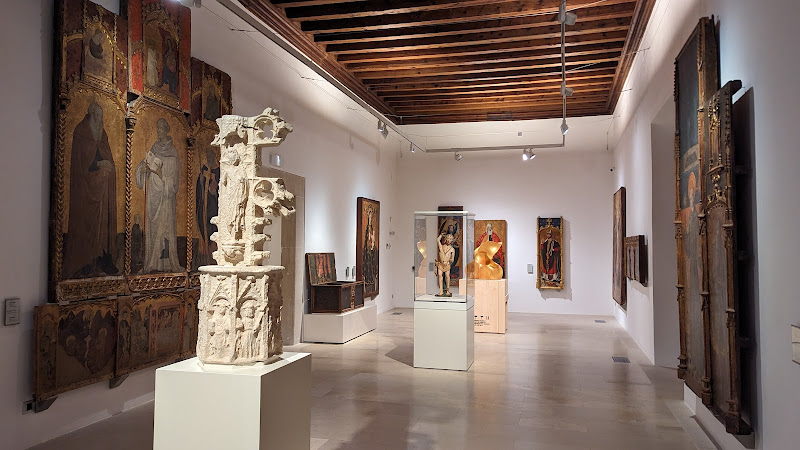
This is a small, thoughtfully curated museum that traces the long and sometimes complicated story of Mallorca, from prehistoric settlements to more refined artistic expressions that came later. It sits quietly in the heart of the island’s capital area, and many travelers walk right past it without realizing what they’re missing. Which is a shame, because this museum does a solid job of explaining how Mallorca became Mallorca.
The focus here is on the island itself, not grand global narratives or blockbuster exhibitions. Visitors move through collections of archaeological finds, religious art, everyday objects, and paintings that reflect centuries of island life. And yes, it’s modest in size. But that works in its favor. You don’t need to budget half a day or wrestle with museum fatigue. Most people find they can take it in comfortably, with time to actually read labels and think, rather than rush.
What stands out is how grounded the experience feels. Instead of flashy multimedia everywhere, the Museum of Mallorca relies on objects that have survived wars, regime changes, and long stretches of obscurity. There are moments where you’ll stop and think, someone actually used this bowl, or prayed in front of this image, or wore this piece of clothing. That connection, quiet as it is, sticks with you.
The museum is also refreshingly honest about the island’s layered identity. Mallorca isn’t presented as a postcard fantasy. You’ll see evidence of Roman rule, Islamic influence, medieval Christian power, and local traditions that refused to disappear. It’s not perfect, and a few displays could use more context, but the overall narrative makes sense. And for travelers who want more than beaches and cocktails, this place adds depth to the trip.
Key Features
One thing worth pointing out is that the museum doesn’t try to entertain kids with gimmicks. And that’s not a bad thing. Children who are curious tend to do well here, especially if someone explains what they’re seeing. The objects themselves do most of the talking.
Best Time to Visit
The best time to visit the Museum of Mallorca is, frankly, when your legs are tired of walking and your brain wants something meaningful but not exhausting. Late mornings work well, especially before lunch, when energy levels are still decent and crowds are thin. During peak summer months, stepping inside feels like a mental reset from the heat and noise outside.
Seasonally, spring and autumn are ideal. The island is busy enough to feel alive, but not so packed that every cultural site feels overrun. Winter visits have their own appeal too. Fewer tourists means more space, and there’s something cozy about wandering through historical galleries while the rest of the island slows down.
Weekdays tend to be quieter than weekends. If you’re the type who likes standing in front of an artwork without someone hovering behind you, aim for midweek. And if school groups worry you, earlier or later hours usually avoid them. The museum isn’t huge, so timing does matter more than you’d expect.
This writer remembers ducking into the museum on a whim during a hot afternoon, expecting to stay ten minutes. An hour later, it was still quietly absorbing. That’s the sweet spot for this place, when you’re not forcing the visit but letting it happen naturally.
How to Get There
Getting to the Museum of Mallorca is straightforward, especially if you’re already exploring the city on foot. It’s located in a historic area that’s well connected by public transport, and walking there often becomes part of the experience. Narrow streets, old stone buildings, and the occasional café detour make the journey feel intentional rather than practical.
Public buses stop nearby, and most routes through central Palma will get you within a short walk. For travelers staying outside the city, regional buses and trains connect well to the center, followed by a manageable stroll. Taxis are an option too, though sometimes they feel unnecessary given how accessible the area is.
If you’re driving, be prepared for limited parking. This isn’t the place to show up with a car and expect convenience. Parking garages exist, but many visitors choose to combine the museum visit with a broader walking itinerary. And honestly, that’s the better way. The museum fits nicely between a cathedral visit, a long lunch, or a slow afternoon wandering.
Tips for Visiting
First tip: don’t rush it. The Museum of Mallorca rewards patience more than speed. Read the descriptions, even the longer ones. They add context that isn’t obvious at first glance. And if something doesn’t immediately grab you, give it a minute. Some pieces grow on you, strangely enough.
Second, manage expectations. This is not a massive national museum with dramatic installations. It’s quieter, more academic at times. Travelers expecting spectacle might feel underwhelmed, while those interested in local history usually leave satisfied. Knowing that ahead of time makes a big difference.
Third, bring kids only if they’re curious by nature. The museum is good for children, yes, but in a calm, educational way. There’s space to move, restrooms are accessible, and staff are generally understanding. Still, this isn’t an interactive play zone, so a bit of preparation helps.
Fourth, pay attention to accessibility. The museum does a commendable job here, with wheelchair-accessible entrances and restrooms. Not every historic building on the island manages that, so it’s worth appreciating.
Fifth, combine the visit with something nearby. A coffee after, a walk through old streets, or even jotting notes in a travel journal. The museum often sparks thoughts about how islands shape people, and people shape islands. Let that linger.
And finally, allow yourself to feel conflicted if you do. Not every exhibit will resonate. Some rooms feel stronger than others. But that unevenness makes it feel real, like a conversation rather than a lecture. And maybe that’s the point.
The Museum of Mallorca won’t dominate your itinerary, and it doesn’t need to. It slips into your trip quietly, adds context, and leaves you understanding the island just a little better. For travelers who value insight over spectacle, that’s a pretty good deal.
 Real Journey Travels