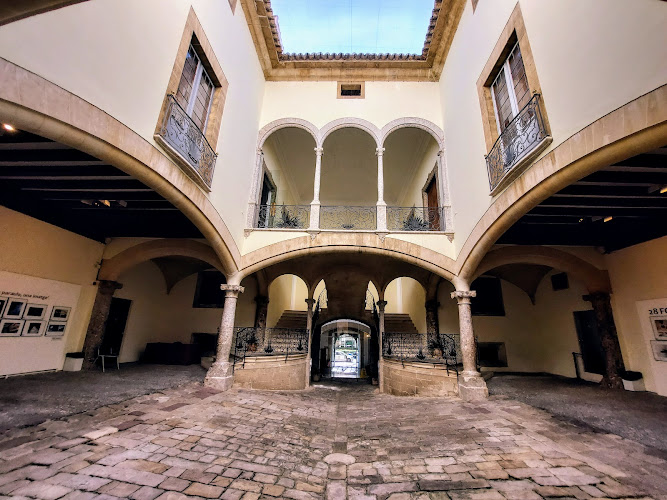
Stepping into Casal Solleric feels a bit like discovering a secret that Palma’s been keeping from the casual tourist crowd. I remember my first visit to this place – I’d walked past it probably three times before actually noticing the entrance tucked along Passeig des Born. And that’s kind of the beauty of it, really. This isn’t some flashy modern gallery screaming for attention. It’s a 18th-century palace that’s quietly transformed itself into one of Mallorca’s most important contemporary art spaces, and honestly, that transformation is pretty remarkable when you stop to think about it.
The building itself dates back to 1763, constructed originally as a noble family residence during a time when Palma was really coming into its own as a cultural hub. You can still feel that aristocratic history in the bones of the place – the high ceilings, the traditional Mallorcan architecture, that gorgeous interior courtyard that makes you want to just sit and breathe for a minute. But here’s where it gets interesting: since 1985, the city of Palma has operated Casal Solleric as a dedicated space for contemporary art and cultural programming. So you’ve got this fascinating tension between old-world architecture and cutting-edge artistic expression happening under one roof.
The palace doesn’t maintain a permanent collection in the traditional sense, which actually works in its favor. Instead, it hosts rotating exhibitions that change throughout the year, featuring both established and emerging artists from the Balearic Islands, mainland Spain, and increasingly from across Europe and beyond. This means every visit offers something different – you might encounter experimental video installations one month and traditional photography the next. The programming covers everything from visual arts to design exhibitions, sometimes even diving into architecture and urban planning themes that feel particularly relevant to understanding Palma’s ongoing evolution.
What makes Casal Solleric stand out from other cultural spaces on the island is its commitment to accessibility in multiple senses of the word. The admission is typically free or very reasonably priced for special exhibitions, which feels increasingly rare in today’s museum landscape. And the curators seem genuinely invested in creating exhibitions that spark conversation rather than just passive viewing. You’ll often find local art students sketching in the galleries or groups of friends debating the merits of a particular installation over coffee in the courtyard.
Key Features
The features that make Casal Solleric worth your time go beyond just the artwork on display:
- A stunning interior courtyard that exemplifies classic Mallorcan palatial architecture with its characteristic stone columns and arched walkways – perfect for a moment of quiet reflection between exhibition rooms
- Multiple exhibition spaces spread across different floors, each with distinct character and lighting that curators use thoughtfully for different types of artwork
- Wheelchair accessible throughout the entire building, including the entrance, restrooms, and all gallery spaces – something that unfortunately can’t be said for many historic buildings in Palma’s old town
- An on-site restaurant where you can grab a coffee, light lunch, or something stronger while digesting what you’ve just experienced in the galleries
- Educational programming and workshops that run alongside major exhibitions, though you’ll want to check the schedule in advance if you’re interested in participating
- A bookshop area featuring art publications, exhibition catalogues, and work by local artists – great for finding unique gifts that actually mean something
- Public restroom facilities that are clean and well-maintained, which honestly deserves mention when you’re planning a day of sightseeing
- Air conditioning in the gallery spaces, a genuine blessing during Mallorca’s intense summer months when many historic buildings become uncomfortably warm
- Family-friendly exhibitions with enough visual interest to keep kids engaged, though this obviously varies depending on what’s currently on display
Best Time to Visit
Timing your visit to Casal Solleric requires thinking on two different levels – the time of year and the time of day. Let me break this down in a way that’ll actually help you plan.
From a seasonal perspective, spring and autumn are generally your sweet spots. Between April and June or September through November, Palma’s weather is absolutely perfect – warm enough to enjoy the courtyard without melting, cool enough that walking around the city before or after your gallery visit feels pleasant rather than punishing. Plus, the crowds thin out considerably compared to peak summer months, meaning you can actually spend time contemplating the art without feeling rushed or crowded.
That said, summer visits have their own appeal. If you’re in Palma during July or August (and let’s be honest, many visitors are), Casal Solleric becomes a welcome air-conditioned respite from the Mediterranean heat. I’ve ducked in there on oppressively hot afternoons more times than I can count, and there’s something almost meditative about moving through cool, quiet gallery spaces while the streets outside shimmer with heat. Just aim for earlier morning hours – around 10 or 11 AM – before the tourist rush really gets going.
Winter months see fewer visitors overall, but the exhibition programming doesn’t stop. December through February can actually offer the most intimate viewing experiences if you don’t mind cooler weather. The building feels different in winter somehow, more contemplative maybe.
As for time of day, weekday mornings are typically quietest. Locals tend to visit in the late afternoon or early evening, especially when new exhibitions open. If you prefer a more social atmosphere with the possibility of striking up conversations with other gallery-goers, aim for Friday evenings or Saturday afternoons. But if you want the galleries mostly to yourself to really sink into the work, Tuesday or Wednesday morning is your friend.
Major exhibition openings usually happen in the evening and can draw substantial crowds – worth attending if you enjoy that energy and don’t mind the press of people. Check the cultural calendar before your visit because some exhibitions genuinely do draw more interest than others, and knowing what’s on display can help you decide whether to prioritize this stop or save it for another trip.
How to Get There
Getting to Casal Solleric is refreshingly straightforward, which isn’t always the case with Palma’s attractions tucked into the old town’s maze-like streets.
If you’re staying anywhere in Palma’s city center, walking is probably your best bet. The palace sits right on Passeig des Born, which is essentially Palma’s main boulevard running from Plaza de la Reina toward the waterfront. You can’t really miss it once you’re on the right street, though the entrance is perhaps more understated than you might expect for such an important cultural institution. Look for the building between high-end shops and traditional businesses – the architecture itself will catch your eye even if the signage doesn’t immediately.
For those using public transportation, several bus lines stop within easy walking distance. The EMT city bus system is reliable and inexpensive, with routes 3, 20, and 46 among those that’ll get you close. The nearest bus stop is just a short stroll away, and honestly, that walk gives you a chance to take in some of Palma’s beautiful streetscapes.
Taxis are abundant in Palma, and any driver will know Casal Solleric or at the very least Passeig des Born. It’s a standard landmark. If you’re coming from the airport, a taxi will run you around 20-25 euros depending on traffic, though the airport bus (Line 1) offers a budget-friendly alternative that drops you near Plaça d’Espanya, from which Casal Solleric is about a 10-minute walk.
Now, here’s where I need to be straight with you about something: don’t drive unless you absolutely have to. Palma’s old town wasn’t designed for modern vehicles, parking is expensive and scarce, and you’ll spend more time circling for a spot than you will looking at art. If you must drive, there’s a public parking garage at Parc de la Mar, but you’re still looking at a 15-minute walk from there. The palace itself has accessible parking for visitors with mobility needs, which is genuinely helpful for those who require it.
For cruise ship passengers – and Palma sees plenty – you’re looking at roughly a 20-minute walk from the port, much of it along the attractive waterfront. It’s a pleasant stroll that takes you past the cathedral and through some of Palma’s prettiest areas. Alternatively, grab the tourist bus or a taxi from the port area.
Tips for Visiting
Let me share some practical wisdom that’ll make your Casal Solleric experience smoother and more rewarding.
First thing: check the exhibition schedule before you go. The rotating nature of the programming means the quality and relevance of what’s on display varies. The official website usually has current information, though it’s not always updated as promptly as you’d like. When planning a Palma itinerary, build in some flexibility around Casal Solleric rather than making it the anchor of your day – that way if the current exhibition doesn’t grab you, you’re not disappointed.
Combine your visit with other nearby attractions for maximum efficiency. The cathedral (La Seu) is literally around the corner, and the old town’s shopping district radiates outward from Passeig des Born. I’ve found that mid-morning at Casal Solleric followed by lunch in the Born area and then afternoon exploration of the Gothic Quarter makes for a nearly perfect Palma day.
Bring a light jacket or wrap even in summer – the air conditioning can feel intense after you’ve been walking around in Mediterranean heat. Sounds obvious maybe, but I’ve watched countless visitors hug themselves and rush through exhibitions because they weren’t prepared for the temperature difference.
Photography policies vary by exhibition. Some allow it, others don’t, and there’s usually signage indicating the rules. When in doubt, ask the gallery attendants rather than assuming. They’re generally friendly and happy to clarify, and honestly, they appreciate visitors who bother to check rather than just snapping away.
The restaurant on-site serves decent food and excellent coffee, but it’s not typically the highlight of the visit. Still, the courtyard seating provides a lovely spot to decompress and discuss what you’ve just seen. Prices are reasonable for the location – you’re not paying outrageous tourist-trap rates.
If you’re traveling with children, gauge the current exhibition’s kid-friendliness beforehand if possible. Some shows are genuinely engaging for younger visitors with interactive elements or accessible visual content. Others skew more conceptual and might test the patience of anyone under 12. The space itself is suitable for children – there’s room to move around, accessible facilities, and generally a relaxed atmosphere – but content matters.
Allow at least an hour for your visit, possibly more if there’s a particularly engaging exhibition or you’re the type who likes to read every wall text. Rushing through defeats the purpose. But equally, don’t feel obligated to scrutinize every piece if something isn’t resonating – gallery fatigue is real, and there’s no prize for endurance viewing.
Visit on a weekday if your schedule allows. Weekends bring more local families and tourists, which isn’t necessarily bad but does change the atmosphere. There’s something special about having a gallery nearly to yourself, where you can sit on a bench and really live with a piece for a few minutes without feeling self-conscious.
Lastly, keep an open mind about contemporary art if that’s not usually your thing. Casal Solleric tends toward accessible programming rather than intentionally obscure work, but contemporary art by nature challenges and sometimes confuses. That’s okay. You don’t have to love everything you see – in fact, having strong reactions pro or con usually means the art is doing its job. Give pieces a chance, read the context provided, and don’t stress about “getting it” in some definitive way.
The gift shop occasionally has genuinely interesting items that support local artists. If you’re looking for something more meaningful than typical tourist merchandise, poke around there. Quality varies, but I’ve found several small pieces over the years that still make me think of particular visits.
 Real Journey Travels