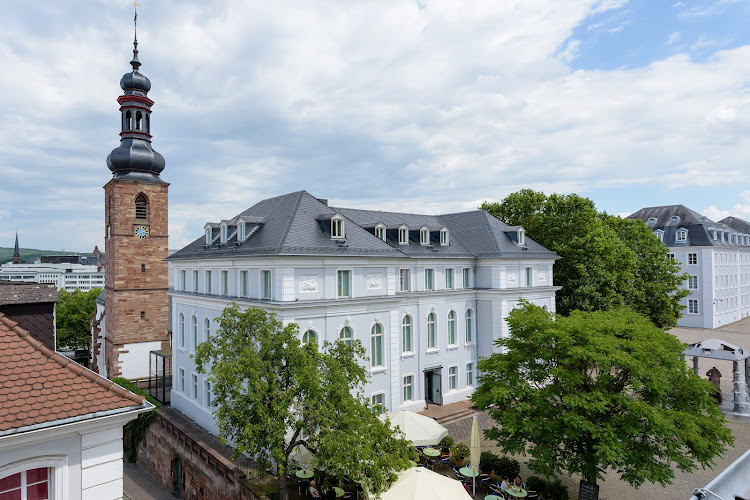
The museum presents artifacts spanning from the Stone Age onward, with a clear emphasis on early tools, figurative sculptures, painted murals and precious jewelry. Its exhibits are arranged to tell an archaeological story rather than to simply display objects — visitors move through time in a way that feels intuitive, not forced. This is useful: when an exhibit actually guides the eye and the mind, it leaves more space for wonder.
On the ground floor, the Stone Age galleries display chipped stone tools, flint cores and worked blades that make it surprisingly easy to imagine hands at work tens of thousands of years ago. The craftsmanship is crisp: some of the microliths and scrapers are tiny, almost delicate, and yet they speak to survival strategies that were razor-sharp in their logic. The museum does a good job of explaining how a simple piece of flint could transform into a hunting implement, and how incremental improvements in technology changed daily life. And yes, there are descriptive panels — but the star is the objects themselves. Several displays allow a close look; relative proximity to the artifacts helps to humanize the deep past.
Upstairs, the early historical periods introduce more diverse materials: pottery shards that reveal cooking customs, metal objects that show the slow discovery of metallurgy, and small but exquisite pieces of jewelry that hint at social status and ritual practices. Those delicate necklaces and pendants often stop people in their tracks. The way tiny beads and metalwork survive across millennia makes one realize that aesthetics mattered to humans in prehistoric times as much as today. There’s a quiet elegance to those items — they’re intimate, almost like a message across time.
What many visitors remember most are the sculptures and murals. The sculptures are not all big heroic statues; rather, many are modest, hand-sized figures or fragments that demand close inspection. Murals are treated respectfully — the museum has invested in good lighting and explanatory context so that pigments, patterns and motifs can be appreciated without the usual glare or clutter. A mural fragment can suddenly look like a preserved page of a long-forgotten book. The curators have the knack of helping visitors read these visual texts without lecturing.
The museum is accessible, which matters in practical terms. It has a wheelchair accessible entrance and a wheelchair accessible restroom, so mobility-challenged visitors don’t have to worry about missing out. Restrooms are present on the premises and are kept functional. This is one of those details that travelers actually notice when they plan a day trip: ease of access equals more relaxed, more enjoyable visits. Families with children are also welcomed; the exhibitions are labeled as good for kids, with displays that can spark curiosity in younger minds. There are tactile elements and straightforward explanations that make complex archaeological ideas digestible for little ones. Not everything will hold a toddler’s attention for long, of course — but for school-age children and teens, the museum hits a sweet spot of accessible learning and visual interest.
For travelers who like a bit of context, the museum sits in a city that has its own layered history. The collection emphasizes how local finds connect to broader European prehistory, so visitors can see the local within the continental. The interpretive panels draw connections — trade routes, migration patterns, technological diffusion — in a way that makes the region feel like a crossroads rather than an isolated dot on a map. That perspective is handy for anyone planning to combine museum time with walking around the old town or visiting nearby historical sites.
Visitors often appreciate the pace; the museum is large enough to satisfy a thorough interest but compact enough to be seen comfortably in a couple of hours. For travelers who like to linger, there are quieter corners to sit and reflect. For those who prefer a brisk tour, the layout moves logically so one can absorb a lot without feeling overwhelmed. The lighting is thoughtfully designed — it complements the artifacts rather than washing them out. Sometimes museum lighting gets so dramatic it distracts; here the approach is subtle, which suits the subject matter.
Here’s a small anecdote often told by repeat visitors: one visitor, a teacher, returned with a class and remarked that the kids remembered the jewelry section more than the big explanatory charts. That rings true — human faces, tiny beads, carved figures evoke empathy in ways a timeline chart rarely does. The museum’s curators seem aware of this; they arrange displays that let the smaller objects tell personal stories, and that makes the deep past feel oddly intimate. It’s a nice touch, and it made the teacher come back the following year with another batch of pupils. That kind of repeat visit is a strong sign that the museum works for both individual tourists and educational groups.
For people who like technical detail, the museum doesn’t shy away from it. Each major artifact is accompanied by well-researched labels that include dating methods, material analysis and often a short note on provenance. The language is clear and direct, but also precise, which is a relief for visitors who have more than a passing interest in archaeology. And for those who don’t want the minutiae, the panels still manage to convey the essentials without heavy jargon. It’s a balancing act the museum pulls off more often than not.
There are a few exhibits that tend to spark curiosity and conversation. Early tools, for example, offer a tangible line of continuity: a blade is a blade; but the ways it was made and used tell stories of adaptation. The jewelry collections raise questions about trade: where did the materials come from? Who wore them and why? Murals prompt speculation about symbolism and ritual. These open-ended questions are part of the museum’s charm. It rarely tries to answer everything; instead it encourages visitors to think, to wonder, and to ask the occasional provocative question to themselves or to a companion. That subtle invitation to engage is one of the museum’s strengths.
The museum experience is also enhanced by occasional temporary exhibits and curated themes that rotate through the year. These can focus on a single archaeological find, a specific time slice, or an interpretive theme such as burial customs or prehistoric agriculture. Temporary displays bring fresh energy, and repeat visitors often discover something new each time they return. For planning purposes, visitors who want the latest exhibit should check local listings before their trip — but again, no need to over-plan; the permanent collections are consistently well-presented and satisfying on their own.
Finally, while the Museum for Pre- and Early History may not be the flashiest museum in the region, it is honest, grounded, and rich in actual substance. It’s the kind of place that rewards curiosity and patience. For travelers who enjoy connecting artifacts to stories of human ingenuity, the museum offers a memorable, thoughtfully curated experience. People leave feeling a little smarter and a lot more connected to the long arc of human history — and sometimes, if they linger by the small cases of jewelry or the chipped stone tools, they find themselves smiling at tiny moments of continuity between those ancient hands and their own.
 Real Journey Travels