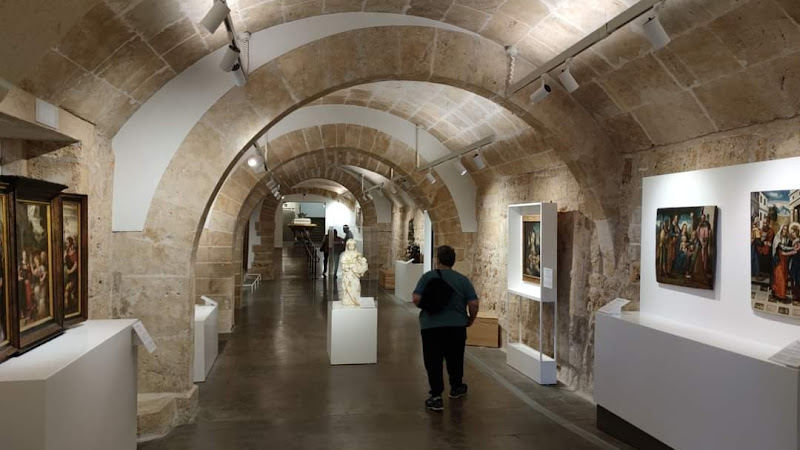
The Museu Diocesà is the kind of place that quietly sneaks up on you. At first glance, it feels like “just another church museum,” the sort of stop you add to your list because it’s nearby and historically important. But then you step inside the former 13th-century bishop’s palace, and the mood changes. The stone walls hold a coolness that feels earned, not manufactured, and suddenly you realize you’re walking through layers of belief, power, art, and very human ambition.
This diocesan museum focuses on Christian art, but don’t let that scare you off if you’re not especially religious. The collection leans more toward storytelling than preaching. Sculptures with chipped noses, paintings darkened by centuries of candle smoke, and delicate ceramics that somehow survived wars, reforms, and bad storage choices. It’s all here. And it’s honest about its age. Nothing feels overly polished or Disney-fied, which I personally appreciate. I once visited a similar museum years ago and left feeling like I’d been spoon-fed facts. That’s not the case here. You’re invited to look, linger, and decide what matters to you.
The palace itself is part of the experience. Built in the 1200s, it still carries that medieval sense of authority. Staircases aren’t always symmetrical. Rooms feel purpose-built rather than tourist-friendly. But that’s the charm. You can almost imagine bishops pacing these halls, worrying about politics, plagues, or whether a commissioned altarpiece would arrive on time. And yes, the museum sits right by the cathedral, so there’s an architectural conversation happening between the two buildings that you’ll pick up on even if you don’t know the first thing about Gothic vaults.
Travelers often underestimate how grounding this museum feels. It doesn’t rush you. You won’t be overwhelmed by interactive screens or noise. Instead, it offers space to slow down, which, honestly, is rare when you’re hopping from attraction to attraction. I found myself sitting on a bench longer than planned, just staring at a painted Madonna with a surprisingly tired expression. It felt relatable. Saints, it turns out, had long days too.
Key Features
- Quiet rooms that allow for reflection, sketching, or just resting your feet
Best Time to Visit
If you can, aim for a weekday morning. That’s when the museum feels most like itself: calm, slightly echoey, and unhurried. By late morning, small tour groups start filtering in, and while they’re generally respectful, the atmosphere shifts. You hear more footsteps, more whispers, more guides clearing their throats.
Seasonally, spring and autumn are ideal. Summer brings more travelers, and although the thick stone walls keep things cooler than outside, the galleries can feel busier. Winter, on the other hand, has a special appeal. Fewer visitors, softer light through the windows, and a certain solemnity that suits the collection. I visited once on a gray winter afternoon, rain tapping against the glass, and it felt like the art was leaning into the weather. Melancholy, yes, but in a good way.
Religious holidays can be hit or miss. Some days include special displays or extended hours, which is great. Other times, sections may be quieter or temporarily closed due to services at the cathedral. If your schedule is tight, it’s worth being flexible.
How to Get There
Getting to the Museu Diocesà is refreshingly straightforward, especially if you’re already exploring the historic center. Most travelers arrive on foot, and honestly, that’s the best way. Approaching the cathedral on foot gives you context. You see how the museum fits into the broader urban fabric, not just as a standalone attraction.
Public transportation options usually stop within a reasonable walking distance, and signage around the cathedral area tends to point you in the right direction. If you’re driving, there is paid parking nearby, though navigating narrow streets can be a bit of a headache if you’re not used to old European city layouts. I’ve made that mistake before, gripping the steering wheel and promising myself I’d just walk next time.
Once you’re close, look for the palace-like structure adjacent to the cathedral complex. The entrance is clearly marked, but not flashy. That understated approach feels intentional, almost like the museum is saying, if you know, you know.
Tips for Visiting
First tip: give yourself more time than you think. Many people assume an hour is enough. It can be, but you’ll rush. Two hours feels right, especially if you enjoy reading descriptions and letting certain works sink in. And don’t feel bad if you skip a room or two. Museum fatigue is real.
Consider joining a guided tour if one’s available in your language. I’m usually a wander-at-my-own-pace type, but the guides here tend to add context that isn’t obvious from labels alone. Little stories about who commissioned what, or why a saint is holding such an odd object. Those details stick with you.
If you’re visiting with kids, set expectations. This isn’t an interactive science museum, but there are enough visual hooks, dramatic sculptures, and slightly eerie details to spark curiosity. Turning it into a bit of a scavenger hunt works wonders. Spot the dragon, find the angel with the weird face, that sort of thing.
Accessibility is handled thoughtfully, especially considering the age of the building. Still, some areas may feel tight. Staff are generally helpful if you need assistance, and they don’t make a big fuss about it, which I appreciate.
There’s no restaurant inside, so eat beforehand or plan for a meal after. The upside is that you won’t feel rushed out by hunger, and the surrounding area usually has plenty of cafés once you’re done. I like sitting down afterward and flipping through photos, realizing how much I missed on the first pass.
Photography rules can vary by section. When allowed, be respectful. Flash photography doesn’t just annoy other visitors; it genuinely harms certain artworks over time. And sometimes, it’s better to put the camera down anyway. Some things are meant to be remembered imperfectly.
Finally, go in with an open mind. You don’t need to be an art historian or a believer to appreciate the Museu Diocesà. It’s about people trying to make sense of their world through art, across centuries. And if you leave with one image or story lingering in your head, then the visit did its job.
 Real Journey Travels