
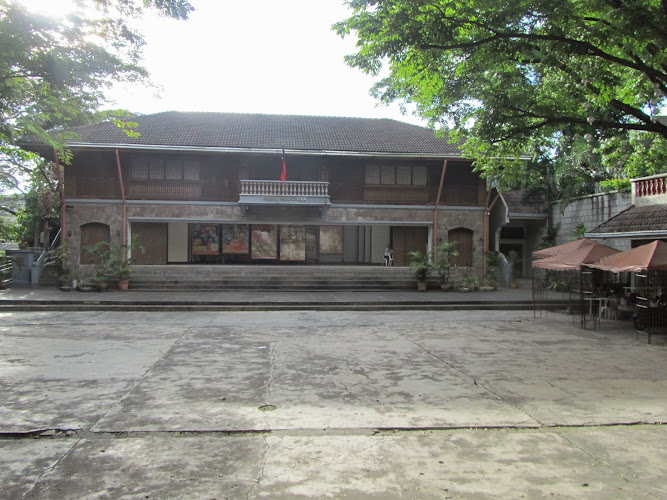
Museo Valenzuela
About Museo Valenzuela
Description
Museo Valenzuela is one of those places that quietly surprises you. It’s not the kind of museum that shouts for attention with flashy exhibits or overwhelming crowds. Instead, it draws you in with its sincerity and sense of place. Dedicated to the history and heritage of Valenzuela City and its people, the museum offers a deep dive into the life of Dr. Pío Valenzuela — one of the most respected heroes of the Philippine Revolution. And honestly, even if you’re not a history buff (I get it, not everyone loves reading plaques), this museum still has a way of making the past feel alive and personal.
The building itself is a lovely blend of modern design and historical charm. It’s clean, well-kept, and thoughtfully laid out, which makes walking through its galleries a pleasant experience. You can sense that the curators care deeply about what they do. The displays are informative without being overwhelming, and the artifacts — from old photographs to revolutionary memorabilia — tell stories of courage, community, and transformation. There’s something quite grounding about standing among these relics, realizing that the city we know today was shaped by the people and events represented here.
What I personally find endearing about Museo Valenzuela is how it balances education and emotion. You don’t just learn facts; you feel them. The way the exhibits are arranged encourages you to wander and wonder. You might find yourself pausing at a portrait or an old document, imagining what life was like back then. And that’s the beauty of it — it’s not just about history, it’s about connection. Families often visit here, and you’ll see kids asking questions while parents explain bits of local lore. It’s a wholesome, community-centered experience that reflects the spirit of Valenzuela itself.
Accessibility is another strong point. The museum is wheelchair-friendly, with accessible entrances, restrooms, and parking. It’s refreshing to see a public space that genuinely considers inclusivity. There’s also a calm, almost peaceful atmosphere inside — a welcome break from the noise and pace of Metro Manila. You can take your time, move at your own rhythm, and just absorb the stories around you. It’s not a massive museum, but it’s packed with meaningful details that make the visit worthwhile.
Of course, no place is perfect. Some visitors might wish for more interactive displays or a small café to relax in after exploring. But even without those extras, the museum delivers where it counts — authenticity, education, and heart. If you’re the kind of traveler who enjoys understanding the soul of a city rather than just ticking off tourist spots, Museo Valenzuela deserves a spot on your itinerary.
Key Features
- Historical Exhibits: Displays focusing on Dr. Pío Valenzuela, his role in the Philippine Revolution, and the evolution of Valenzuela City.
- Community-Focused Galleries: Artifacts, photographs, and documents that highlight local culture, industries, and milestones.
- Educational Programs: Occasional workshops, lectures, and school tours that promote local history and pride.
- Accessibility: Wheelchair-accessible entrances, restrooms, and parking areas for inclusive visits.
- Kid-Friendly Environment: Safe, educational, and engaging for children, encouraging curiosity and learning.
- Peaceful Ambiance: Quiet, well-maintained interiors ideal for reflection and exploration.
- Local Bazaar Events: Periodic community bazaars and cultural fairs that bring locals and travelers together.
Every corner of the museum seems to tell a story — not just about the past, but about the people who keep that past alive. And if you happen to visit during one of their local events or bazaars, you’ll catch an even richer glimpse of Valenzuela’s modern-day culture blending beautifully with its heritage.
Best Time to Visit
Now, timing your visit can make a big difference. The museum is open year-round, but if you want to avoid the crowds (especially during school trips), weekdays are your best bet. Mornings tend to be quieter, which gives you more space to roam freely and take in the exhibits at your own pace. The lighting is softer then too — perfect for photos if you’re into that sort of thing.
Weather-wise, the cooler months from December to February are ideal. The air feels lighter, and the city in general is more comfortable to explore. During local festivals or city anniversaries, the museum often becomes part of the celebration, hosting special exhibits or cultural activities. Those moments can be pretty special — you get to experience the museum not just as a building, but as a living part of the community’s heartbeat.
And if you’re someone who enjoys a slower, more thoughtful pace, visiting during off-peak hours is a great idea. You can linger longer at displays, chat with the staff (who are genuinely friendly and knowledgeable), and maybe even discover a few hidden stories not written on the walls.
How to Get There
Reaching Museo Valenzuela is quite straightforward, especially if you’re coming from within Metro Manila. Public transportation options like jeepneys, buses, and tricycles regularly pass through the area. For those using ride-hailing apps, simply input the museum’s name, and you’ll be dropped off right at the entrance. It’s located in a well-known part of the city, so even local drivers are familiar with it.
If you’re driving, parking is available and accessible, which is always a relief in the city. The roads leading to the museum are generally in good condition, though traffic can get heavy during rush hours — that’s Manila life for you. So, if you can, plan your visit mid-morning or early afternoon to avoid the usual congestion.
For travelers staying elsewhere in Metro Manila, the museum is reachable within an hour or so depending on traffic. It’s a nice side trip if you’re exploring the northern part of the metro. Personally, I’d recommend pairing your visit with a stop at a nearby local eatery. There’s something satisfying about learning history and then sitting down for a hearty Filipino meal afterward — it rounds out the experience perfectly.
Tips for Visiting
Here’s where a few insider notes might come in handy. First off, take your time. Museo Valenzuela isn’t massive, but it’s rich in detail. Instead of rushing from one display to the next, pause and read the stories behind the artifacts. You’ll appreciate the visit so much more. And if you’re traveling with kids, turn it into a little adventure — ask them what they think certain items were used for or what stories they imagine behind old photographs. It’s a fun way to make history interactive.
Second, dress comfortably. The museum is air-conditioned, but you’ll likely do a bit of walking around the area before or after your visit. Light clothing and comfy shoes are your best friends here. Also, bring a bottle of water — while there’s no restaurant inside, there are small stores nearby where you can grab refreshments.
Photography is generally allowed, but always check with the staff first, especially in certain sections where flash might be restricted. Speaking of staff, they’re approachable and often happy to share extra tidbits about the exhibits. Don’t hesitate to ask questions — it’s one of the best ways to uncover the museum’s lesser-known stories.
Accessibility-wise, the facilities are well-equipped for visitors with mobility challenges. There are ramps, accessible restrooms, and parking spaces close to the entrance. That’s something I genuinely appreciate because it shows that the museum values inclusivity, not just in words but in action.
Lastly, if you’re someone who loves collecting little memories, check out if there are any souvenir stalls during your visit. Sometimes, during local events, you’ll find handmade crafts or small tokens that make for meaningful keepsakes. And if there’s a community bazaar happening, don’t skip it — it’s a great way to experience local culture beyond the museum walls.
In the end, Museo Valenzuela isn’t just a place to see — it’s a place to feel. It tells the story of a city that’s proud of its roots and hopeful for its future. Whether you’re a local rediscovering your heritage or a traveler curious about the Philippines’ revolutionary past, this museum offers a quiet yet powerful experience. So, go ahead, carve out a few hours, and let the walls of Museo Valenzuela whisper their stories to you. You might just walk out with a deeper appreciation for how history shapes the world we live in today.
Key Features
- Key Features
- Best Time to Visit
- How to Get There
- Tips for Visiting
More Details
Updated November 7, 2025
Table of Contents
Description
Museo Valenzuela is one of those places that quietly surprises you. It’s not the kind of museum that shouts for attention with flashy exhibits or overwhelming crowds. Instead, it draws you in with its sincerity and sense of place. Dedicated to the history and heritage of Valenzuela City and its people, the museum offers a deep dive into the life of Dr. Pío Valenzuela — one of the most respected heroes of the Philippine Revolution. And honestly, even if you’re not a history buff (I get it, not everyone loves reading plaques), this museum still has a way of making the past feel alive and personal.
The building itself is a lovely blend of modern design and historical charm. It’s clean, well-kept, and thoughtfully laid out, which makes walking through its galleries a pleasant experience. You can sense that the curators care deeply about what they do. The displays are informative without being overwhelming, and the artifacts — from old photographs to revolutionary memorabilia — tell stories of courage, community, and transformation. There’s something quite grounding about standing among these relics, realizing that the city we know today was shaped by the people and events represented here.
What I personally find endearing about Museo Valenzuela is how it balances education and emotion. You don’t just learn facts; you feel them. The way the exhibits are arranged encourages you to wander and wonder. You might find yourself pausing at a portrait or an old document, imagining what life was like back then. And that’s the beauty of it — it’s not just about history, it’s about connection. Families often visit here, and you’ll see kids asking questions while parents explain bits of local lore. It’s a wholesome, community-centered experience that reflects the spirit of Valenzuela itself.
Accessibility is another strong point. The museum is wheelchair-friendly, with accessible entrances, restrooms, and parking. It’s refreshing to see a public space that genuinely considers inclusivity. There’s also a calm, almost peaceful atmosphere inside — a welcome break from the noise and pace of Metro Manila. You can take your time, move at your own rhythm, and just absorb the stories around you. It’s not a massive museum, but it’s packed with meaningful details that make the visit worthwhile.
Of course, no place is perfect. Some visitors might wish for more interactive displays or a small café to relax in after exploring. But even without those extras, the museum delivers where it counts — authenticity, education, and heart. If you’re the kind of traveler who enjoys understanding the soul of a city rather than just ticking off tourist spots, Museo Valenzuela deserves a spot on your itinerary.
Key Features
- Historical Exhibits: Displays focusing on Dr. Pío Valenzuela, his role in the Philippine Revolution, and the evolution of Valenzuela City.
- Community-Focused Galleries: Artifacts, photographs, and documents that highlight local culture, industries, and milestones.
- Educational Programs: Occasional workshops, lectures, and school tours that promote local history and pride.
- Accessibility: Wheelchair-accessible entrances, restrooms, and parking areas for inclusive visits.
- Kid-Friendly Environment: Safe, educational, and engaging for children, encouraging curiosity and learning.
- Peaceful Ambiance: Quiet, well-maintained interiors ideal for reflection and exploration.
- Local Bazaar Events: Periodic community bazaars and cultural fairs that bring locals and travelers together.
Every corner of the museum seems to tell a story — not just about the past, but about the people who keep that past alive. And if you happen to visit during one of their local events or bazaars, you’ll catch an even richer glimpse of Valenzuela’s modern-day culture blending beautifully with its heritage.
Best Time to Visit
Now, timing your visit can make a big difference. The museum is open year-round, but if you want to avoid the crowds (especially during school trips), weekdays are your best bet. Mornings tend to be quieter, which gives you more space to roam freely and take in the exhibits at your own pace. The lighting is softer then too — perfect for photos if you’re into that sort of thing.
Weather-wise, the cooler months from December to February are ideal. The air feels lighter, and the city in general is more comfortable to explore. During local festivals or city anniversaries, the museum often becomes part of the celebration, hosting special exhibits or cultural activities. Those moments can be pretty special — you get to experience the museum not just as a building, but as a living part of the community’s heartbeat.
And if you’re someone who enjoys a slower, more thoughtful pace, visiting during off-peak hours is a great idea. You can linger longer at displays, chat with the staff (who are genuinely friendly and knowledgeable), and maybe even discover a few hidden stories not written on the walls.
How to Get There
Reaching Museo Valenzuela is quite straightforward, especially if you’re coming from within Metro Manila. Public transportation options like jeepneys, buses, and tricycles regularly pass through the area. For those using ride-hailing apps, simply input the museum’s name, and you’ll be dropped off right at the entrance. It’s located in a well-known part of the city, so even local drivers are familiar with it.
If you’re driving, parking is available and accessible, which is always a relief in the city. The roads leading to the museum are generally in good condition, though traffic can get heavy during rush hours — that’s Manila life for you. So, if you can, plan your visit mid-morning or early afternoon to avoid the usual congestion.
For travelers staying elsewhere in Metro Manila, the museum is reachable within an hour or so depending on traffic. It’s a nice side trip if you’re exploring the northern part of the metro. Personally, I’d recommend pairing your visit with a stop at a nearby local eatery. There’s something satisfying about learning history and then sitting down for a hearty Filipino meal afterward — it rounds out the experience perfectly.
Tips for Visiting
Here’s where a few insider notes might come in handy. First off, take your time. Museo Valenzuela isn’t massive, but it’s rich in detail. Instead of rushing from one display to the next, pause and read the stories behind the artifacts. You’ll appreciate the visit so much more. And if you’re traveling with kids, turn it into a little adventure — ask them what they think certain items were used for or what stories they imagine behind old photographs. It’s a fun way to make history interactive.
Second, dress comfortably. The museum is air-conditioned, but you’ll likely do a bit of walking around the area before or after your visit. Light clothing and comfy shoes are your best friends here. Also, bring a bottle of water — while there’s no restaurant inside, there are small stores nearby where you can grab refreshments.
Photography is generally allowed, but always check with the staff first, especially in certain sections where flash might be restricted. Speaking of staff, they’re approachable and often happy to share extra tidbits about the exhibits. Don’t hesitate to ask questions — it’s one of the best ways to uncover the museum’s lesser-known stories.
Accessibility-wise, the facilities are well-equipped for visitors with mobility challenges. There are ramps, accessible restrooms, and parking spaces close to the entrance. That’s something I genuinely appreciate because it shows that the museum values inclusivity, not just in words but in action.
Lastly, if you’re someone who loves collecting little memories, check out if there are any souvenir stalls during your visit. Sometimes, during local events, you’ll find handmade crafts or small tokens that make for meaningful keepsakes. And if there’s a community bazaar happening, don’t skip it — it’s a great way to experience local culture beyond the museum walls.
In the end, Museo Valenzuela isn’t just a place to see — it’s a place to feel. It tells the story of a city that’s proud of its roots and hopeful for its future. Whether you’re a local rediscovering your heritage or a traveler curious about the Philippines’ revolutionary past, this museum offers a quiet yet powerful experience. So, go ahead, carve out a few hours, and let the walls of Museo Valenzuela whisper their stories to you. You might just walk out with a deeper appreciation for how history shapes the world we live in today.
Key Highlights
- Key Features
- Best Time to Visit
- How to Get There
- Tips for Visiting
Location
Places to Stay Near Museo Valenzuela
Find and Book a Tour
Explore More Travel Guides
No reviews found! Be the first to review!
Traveler Reviews for Museo Valenzuela
There are no reviews yet. Be the first one to write one.
Have you visited Museo Valenzuela? Help other travelers by sharing your review.
You Might Also Like
21 Encarnacion St
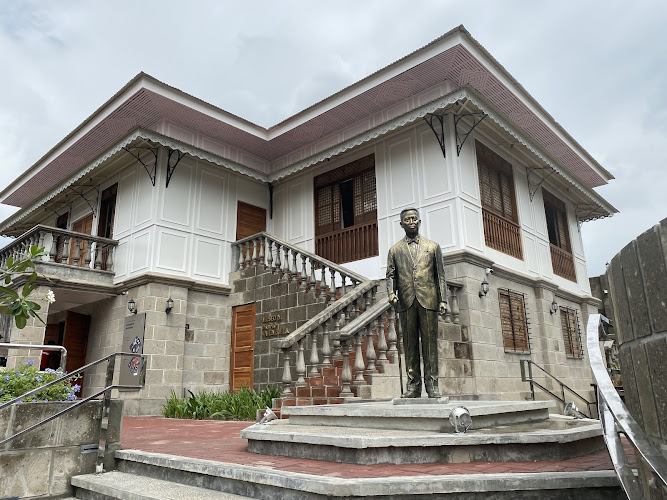
Museo ni Dr. Pio Valenzuela
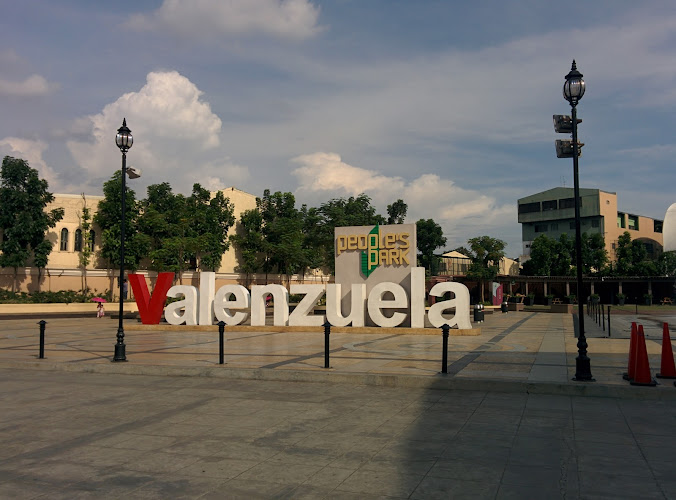
Valenzuela City People's Park
Find Accommodations Nearby
Recommended Tours & Activities
Visitor Reviews
There are no reviews yet. Be the first one to write one.
Share Your Experience
Have you visited Museo Valenzuela? Help other travelers by leaving a review.