
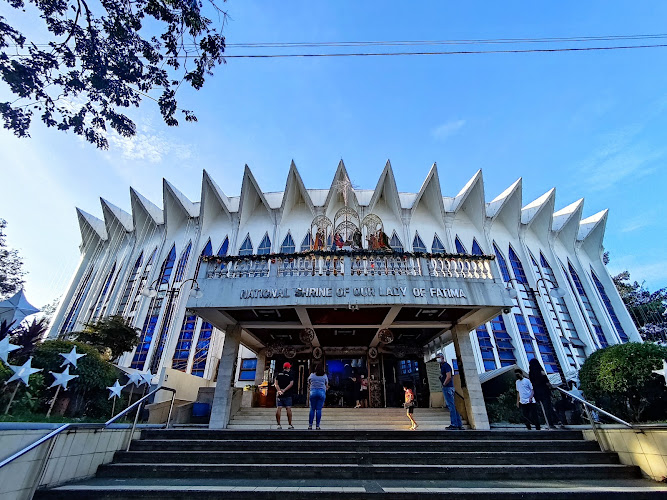
National Shrine and Parish of Our Lady of Fatima
About National Shrine and Parish of Our Lady of Fatima
Description
The National Shrine and Parish of Our Lady of Fatima is one of those places that somehow manages to be both grand and deeply personal at the same time. Located in a lively corner of Metro Manila, it’s a Catholic church that draws people not just for Sunday Mass but for quiet reflection, prayer, and a sense of belonging that’s hard to find in the city’s constant rush. There’s something about the way the sunlight filters through the stained glass, or the gentle hum of people whispering their prayers, that gives you a feeling of peace you didn’t even realize you needed.
It’s not just a church—it’s a living, breathing community. You’ll find families attending novenas together, students dropping by before exams, and elderly devotees lighting candles with the same devotion they’ve carried for decades. The architecture is impressive but not intimidating, with a design that balances solemnity and warmth. And even though the place can get busy, it never feels chaotic. There’s always a quiet corner where you can sit, breathe, and just be. I’ve personally found that even a short visit here can reset your mood for the day. Maybe it’s the calmness of the place, or maybe it’s the sense that you’re part of something bigger than yourself.
For travelers exploring the Philippines, this shrine offers a glimpse into the country’s deep Catholic roots and the everyday faith that shapes so much of local life. It’s a spiritual stop that feels authentic, not commercialized. And while it’s a site of devotion, it’s also a cultural landmark that tells a story of resilience, community, and hope. The atmosphere is welcoming, whether you’re a pilgrim, a tourist, or someone just curious about Filipino spirituality. The staff and volunteers are known for their kindness, always ready to help you find your way around or share a few words about the church’s history.
Key Features
- Spacious and serene interior: The main church hall is open and airy, perfect for quiet prayer or attending Mass without feeling crowded.
- Accessibility-friendly: The shrine is fully equipped with wheelchair-accessible entrances, restrooms, and parking areas, ensuring everyone can visit comfortably.
- Beautiful architecture: The design blends traditional Catholic elements with modern touches, creating a space that feels timeless yet contemporary.
- Community-centered events: Regular Masses, novenas, and religious processions foster a strong sense of unity among parishioners and visitors alike.
- Peaceful outdoor spaces: The surrounding grounds offer quiet spots for reflection, with shaded areas perfect for resting after prayer.
- Spiritual significance: Dedicated to Our Lady of Fatima, the shrine serves as a place of pilgrimage and devotion for those seeking comfort or miracles in their lives.
- Friendly volunteers and clergy: Visitors often mention the warmth and hospitality of the people who serve here, which adds to the overall welcoming atmosphere.
Best Time to Visit
If you want to experience the shrine at its most peaceful, early mornings are a gem. The air is cooler, the light is soft, and you can hear the faint echo of prayers as the first Mass begins. Weekdays are generally quieter, making them ideal if you’re looking for solitude or want to take photos without crowds. But if you’re the type who enjoys being part of something bigger—a community in full devotion—then Sundays or feast days are when the shrine truly comes alive.
Every May and October, celebrations honoring Our Lady of Fatima draw large crowds, with processions, special Masses, and candlelight vigils. It’s a sight to behold, even if you’re not particularly religious. The energy is contagious, and there’s this shared sense of joy and reverence that’s hard to describe. Just be prepared for traffic and full parking lots during those times. If you’re planning a visit around these dates, come early and bring a bit of patience—it’ll be worth it.
How to Get There
Reaching the National Shrine and Parish of Our Lady of Fatima is fairly straightforward, whether you’re coming from within Metro Manila or nearby provinces. Public transportation options like jeepneys, buses, and ride-hailing services can take you close to the area. For those driving, parking is available and generally well-organized, though weekends can get busy. If you’re not familiar with Manila’s roadways, I recommend using a navigation app—it’ll save you from a few wrong turns (trust me, I’ve learned that the hard way).
For travelers staying in the city center, it’s an easy day trip. Many locals combine a visit here with nearby attractions or a quick meal at local eateries afterward. The roads leading to the shrine are lined with small shops selling candles, rosaries, and religious souvenirs, so you might want to set aside a few minutes to browse. It’s a great way to take a tangible piece of your visit home.
Tips for Visiting
First off, dress modestly. It’s a place of worship, after all, and while there’s no strict dress code, it’s respectful to wear something appropriate for a church setting. Bring a small bottle of water, especially if you plan to stay for a while or attend an outdoor procession—it can get warm. And if you’re visiting during special feast days, arrive early to find a good spot, whether for Mass or for taking photos of the events.
Photography is generally allowed, but always be mindful of people praying. I once saw a tourist accidentally step into the aisle during Mass to get a better angle—let’s just say the looks they got could have burned a hole through the camera lens. So, be discreet and respectful. If you’re unsure, ask one of the ushers; they’re always polite and helpful.
For those traveling with elderly family members or anyone with mobility challenges, you’ll be glad to know the shrine is very accessible. The ramps are smooth, and the restrooms are wheelchair-friendly. The staff are also attentive if you need assistance. And if you’re the type who likes to light candles or leave written prayers, bring small bills or coins—there are donation boxes scattered around, and it’s a simple way to contribute to the upkeep of the church.
Lastly, take a moment to just sit quietly after your visit. It’s easy to rush through places like this, ticking them off your travel list, but the real beauty of the National Shrine and Parish of Our Lady of Fatima lies in the stillness it offers. Whether you’re a believer or not, there’s something grounding about pausing in that space, surrounded by faith, history, and the gentle hum of devotion. It’s a reminder that sometimes, the best travel memories aren’t about where you go—but how a place makes you feel.
So, if you ever find yourself in Metro Manila and need a break from the city’s chaos, this shrine is worth the detour. You might not find the flashiness of tourist hotspots here, but you’ll find something far more lasting—a sense of peace that lingers long after you’ve left. And honestly, that’s the kind of souvenir we all need once in a while.
Key Features
- Key Features
- Best Time to Visit
- How to Get There
- Tips for Visiting
More Details
Updated November 7, 2025
Table of Contents
- Description
- Key Features
- Best Time to Visit
- How to Get There
- Tips for Visiting
- Key Highlights
- Location
- Places to Stay Near National Shrine and Parish of Our Lady of Fatima
- Find and Book a Tour
- Explore More Travel Guides
- Nearby Places You Might Like
- Traveler Reviews for National Shrine and Parish of Our Lady of Fatima
- Share Your Experience
Description
The National Shrine and Parish of Our Lady of Fatima is one of those places that somehow manages to be both grand and deeply personal at the same time. Located in a lively corner of Metro Manila, it’s a Catholic church that draws people not just for Sunday Mass but for quiet reflection, prayer, and a sense of belonging that’s hard to find in the city’s constant rush. There’s something about the way the sunlight filters through the stained glass, or the gentle hum of people whispering their prayers, that gives you a feeling of peace you didn’t even realize you needed.
It’s not just a church—it’s a living, breathing community. You’ll find families attending novenas together, students dropping by before exams, and elderly devotees lighting candles with the same devotion they’ve carried for decades. The architecture is impressive but not intimidating, with a design that balances solemnity and warmth. And even though the place can get busy, it never feels chaotic. There’s always a quiet corner where you can sit, breathe, and just be. I’ve personally found that even a short visit here can reset your mood for the day. Maybe it’s the calmness of the place, or maybe it’s the sense that you’re part of something bigger than yourself.
For travelers exploring the Philippines, this shrine offers a glimpse into the country’s deep Catholic roots and the everyday faith that shapes so much of local life. It’s a spiritual stop that feels authentic, not commercialized. And while it’s a site of devotion, it’s also a cultural landmark that tells a story of resilience, community, and hope. The atmosphere is welcoming, whether you’re a pilgrim, a tourist, or someone just curious about Filipino spirituality. The staff and volunteers are known for their kindness, always ready to help you find your way around or share a few words about the church’s history.
Key Features
- Spacious and serene interior: The main church hall is open and airy, perfect for quiet prayer or attending Mass without feeling crowded.
- Accessibility-friendly: The shrine is fully equipped with wheelchair-accessible entrances, restrooms, and parking areas, ensuring everyone can visit comfortably.
- Beautiful architecture: The design blends traditional Catholic elements with modern touches, creating a space that feels timeless yet contemporary.
- Community-centered events: Regular Masses, novenas, and religious processions foster a strong sense of unity among parishioners and visitors alike.
- Peaceful outdoor spaces: The surrounding grounds offer quiet spots for reflection, with shaded areas perfect for resting after prayer.
- Spiritual significance: Dedicated to Our Lady of Fatima, the shrine serves as a place of pilgrimage and devotion for those seeking comfort or miracles in their lives.
- Friendly volunteers and clergy: Visitors often mention the warmth and hospitality of the people who serve here, which adds to the overall welcoming atmosphere.
Best Time to Visit
If you want to experience the shrine at its most peaceful, early mornings are a gem. The air is cooler, the light is soft, and you can hear the faint echo of prayers as the first Mass begins. Weekdays are generally quieter, making them ideal if you’re looking for solitude or want to take photos without crowds. But if you’re the type who enjoys being part of something bigger—a community in full devotion—then Sundays or feast days are when the shrine truly comes alive.
Every May and October, celebrations honoring Our Lady of Fatima draw large crowds, with processions, special Masses, and candlelight vigils. It’s a sight to behold, even if you’re not particularly religious. The energy is contagious, and there’s this shared sense of joy and reverence that’s hard to describe. Just be prepared for traffic and full parking lots during those times. If you’re planning a visit around these dates, come early and bring a bit of patience—it’ll be worth it.
How to Get There
Reaching the National Shrine and Parish of Our Lady of Fatima is fairly straightforward, whether you’re coming from within Metro Manila or nearby provinces. Public transportation options like jeepneys, buses, and ride-hailing services can take you close to the area. For those driving, parking is available and generally well-organized, though weekends can get busy. If you’re not familiar with Manila’s roadways, I recommend using a navigation app—it’ll save you from a few wrong turns (trust me, I’ve learned that the hard way).
For travelers staying in the city center, it’s an easy day trip. Many locals combine a visit here with nearby attractions or a quick meal at local eateries afterward. The roads leading to the shrine are lined with small shops selling candles, rosaries, and religious souvenirs, so you might want to set aside a few minutes to browse. It’s a great way to take a tangible piece of your visit home.
Tips for Visiting
First off, dress modestly. It’s a place of worship, after all, and while there’s no strict dress code, it’s respectful to wear something appropriate for a church setting. Bring a small bottle of water, especially if you plan to stay for a while or attend an outdoor procession—it can get warm. And if you’re visiting during special feast days, arrive early to find a good spot, whether for Mass or for taking photos of the events.
Photography is generally allowed, but always be mindful of people praying. I once saw a tourist accidentally step into the aisle during Mass to get a better angle—let’s just say the looks they got could have burned a hole through the camera lens. So, be discreet and respectful. If you’re unsure, ask one of the ushers; they’re always polite and helpful.
For those traveling with elderly family members or anyone with mobility challenges, you’ll be glad to know the shrine is very accessible. The ramps are smooth, and the restrooms are wheelchair-friendly. The staff are also attentive if you need assistance. And if you’re the type who likes to light candles or leave written prayers, bring small bills or coins—there are donation boxes scattered around, and it’s a simple way to contribute to the upkeep of the church.
Lastly, take a moment to just sit quietly after your visit. It’s easy to rush through places like this, ticking them off your travel list, but the real beauty of the National Shrine and Parish of Our Lady of Fatima lies in the stillness it offers. Whether you’re a believer or not, there’s something grounding about pausing in that space, surrounded by faith, history, and the gentle hum of devotion. It’s a reminder that sometimes, the best travel memories aren’t about where you go—but how a place makes you feel.
So, if you ever find yourself in Metro Manila and need a break from the city’s chaos, this shrine is worth the detour. You might not find the flashiness of tourist hotspots here, but you’ll find something far more lasting—a sense of peace that lingers long after you’ve left. And honestly, that’s the kind of souvenir we all need once in a while.
Key Highlights
- Key Features
- Best Time to Visit
- How to Get There
- Tips for Visiting
Location
Places to Stay Near National Shrine and Parish of Our Lady of Fatima
Find and Book a Tour
Explore More Travel Guides
No reviews found! Be the first to review!
Traveler Reviews for National Shrine and Parish of Our Lady of Fatima
There are no reviews yet. Be the first one to write one.
Have you visited National Shrine and Parish of Our Lady of Fatima? Help other travelers by sharing your review.
You Might Also Like
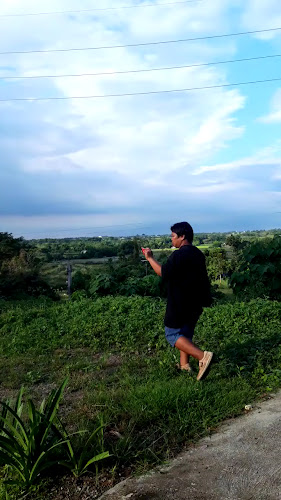
Tambiw
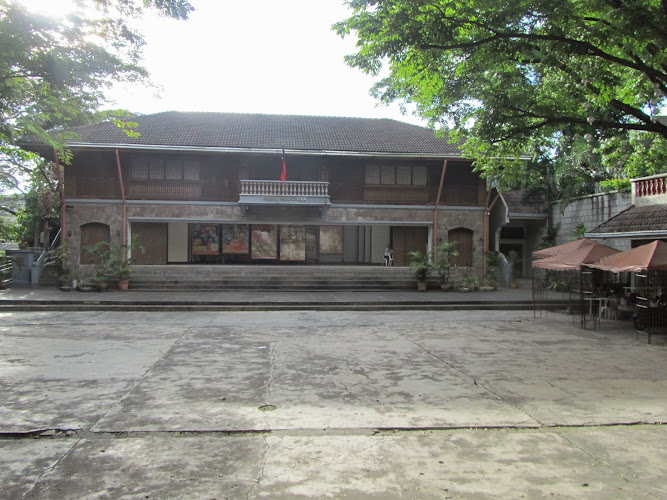
Museo Valenzuela
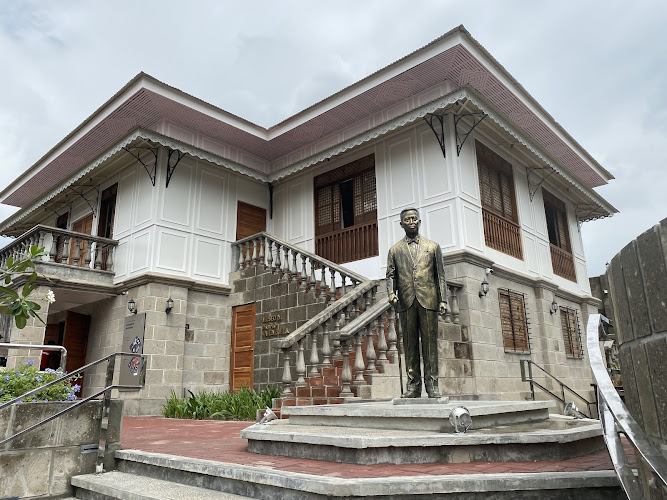
Museo ni Dr. Pio Valenzuela
Find Accommodations Nearby
Recommended Tours & Activities
Visitor Reviews
There are no reviews yet. Be the first one to write one.
Share Your Experience
Have you visited National Shrine and Parish of Our Lady of Fatima? Help other travelers by leaving a review.