

Matang Wildlife Centre
About Matang Wildlife Centre
Matang Wildlife Centre sits quietly on the edge of Kubah National Park, a place where the rainforest hums with life and the air feels thick with the scent of wet earth and wild orchids. It’s not a zoo, though some might assume so at first glance. It’s a sanctuary—a safe haven for animals that have been rescued, orphaned, or displaced due to deforestation and illegal pet trade. Orangutans are the stars here, but you’ll also find sun bears, gibbons, crocodiles, hornbills, and even the occasional clouded leopard recovering from a rough start in life.
There’s something deeply humbling about watching an orangutan slowly learn to climb again, or seeing a sun bear cautiously explore its enclosure. The centre’s mission is all about rehabilitation—helping animals regain the instincts they’ll need to survive in the wild. Some make it back to the rainforest. Others stay here permanently, living out their days in safety. It’s the kind of place that makes you reflect on humanity’s relationship with nature, and maybe even your own role in protecting it.
Visitors often describe the experience as grounding. Sure, the facilities aren’t fancy, and yes, you might find a few cages that look a little worn down. But that’s part of the reality of wildlife rescue—it’s gritty, it’s real, and it’s driven by passion more than polish. The surrounding rainforest, though, is absolutely stunning. Towering trees, tangled vines, and the distant call of hornbills make it feel like you’ve stepped into another world.
If you’re the kind of traveler who prefers authenticity over perfection, Matang Wildlife Centre will leave a lasting impression. It’s not about entertainment—it’s about connection, conservation, and compassion. Bring an open mind and a bit of patience, and you’ll walk away with stories worth remembering.
Key Features
- Wildlife Rehabilitation: Home to rescued orangutans, sun bears, gibbons, and other endangered Bornean species undergoing rehabilitation.
- Eco-Education: Learn about Sarawak’s conservation efforts and the challenges facing Borneo’s wildlife.
- Nature Trails: Several scenic trails meander through the rainforest, perfect for short hikes and wildlife spotting.
- Waterfalls and Rock Pools: Cool off in natural pools or relax by one of the three nearby waterfalls after exploring the park.
- Picnic and Camping Areas: Designated spots for picnicking and camping make it easy to spend a full day—or night—immersed in nature.
- Family-Friendly Activities: Kid-friendly hikes and educational displays make it a great outing for families.
- Photography Opportunities: Capture close-up shots of rare animals and sweeping rainforest landscapes.
Best Time to Visit
The best time to visit Matang Wildlife Centre is during the dry season, roughly from May to September. The trails are less muddy, the weather is more predictable, and the animals are often more active in the mornings. That said, the rainforest has its own rhythm, and even during the wetter months, there’s a certain charm to the misty air and the sound of rain drumming on the canopy.
If you’re not a fan of crowds, try visiting on a weekday morning. You’ll have a better chance of wandering the trails in peace, hearing nothing but the rustle of leaves and the occasional distant whoop of a gibbon. Bring a rain poncho regardless of the season—this is Borneo, after all, and the weather loves to surprise you.
How to Get There
Matang Wildlife Centre is located about 40 minutes from Kuching by car. Most visitors either rent a vehicle or join a local tour that includes transportation. The drive itself is scenic, taking you past small villages, lush rice fields, and stretches of dense jungle. If you’re feeling adventurous, you can take a local bus from Kuching to Matang Village and then hire a taxi for the last stretch, though this option takes a bit more patience and planning.
For those who love road trips, the journey is part of the fun. Roll down your windows, let the humid air in, and keep your eyes peeled—you might spot macaques along the roadside or hornbills flying overhead. Just remember that mobile reception can be patchy once you leave the city, so download your maps beforehand.
Tips for Visiting
Visiting Matang Wildlife Centre isn’t like going to a theme park. It’s a living, breathing conservation site, and a little preparation goes a long way. Here are some tips to make your trip smoother and more meaningful:
- Go early: The animals are most active in the morning, especially before the midday heat sets in.
- Wear proper footwear: The trails can get muddy and slippery, so sturdy shoes are a must.
- Bring insect repellent: Mosquitoes love visitors almost as much as they love the rainforest.
- Respect the animals: Keep your distance, avoid loud noises, and never feed them. Remember, they’re being rehabilitated, not displayed.
- Pack light but smart: Water, sunscreen, and a small towel will make your visit more comfortable.
- Stay hydrated: The humidity can be intense, so drink plenty of water throughout the day.
- Be patient: This isn’t a guaranteed wildlife show. Sometimes the animals are resting or shy. That unpredictability is part of the magic.
One thing that often surprises visitors is how emotional the experience can be. Watching an orangutan swing through the trees, knowing it was once kept as a pet, can tug at your heartstrings. It certainly did for me. I remember standing there, camera in hand, completely forgetting to take a photo because I was too caught up in the moment. It’s those quiet, unexpected moments that make a visit here so special.
If you’re traveling with kids, the centre offers a wonderful opportunity to teach them about empathy and environmental responsibility. The staff are usually happy to answer questions, and you might even catch a feeding session or a keeper talk if you time it right.
And here’s a small but important note: bring cash. While some facilities in Kuching accept cards, the centre’s entrance fee and small stalls nearby often prefer cash payments. Also, don’t expect fancy cafés—there are simple food stalls and picnic tables, which honestly makes the experience feel more down-to-earth.
In short, Matang Wildlife Centre is not polished luxury—it’s raw, real, and deeply rewarding. It’s the kind of place that stays with you long after you’ve left, especially when you realize that your visit helps support vital conservation work. So if you’re planning a trip to Sarawak and want something meaningful, skip the overly commercial attractions and spend a day here instead. You’ll come away with muddy shoes, a full heart, and maybe a new perspective on what wildlife conservation truly means.
You Might Also Like
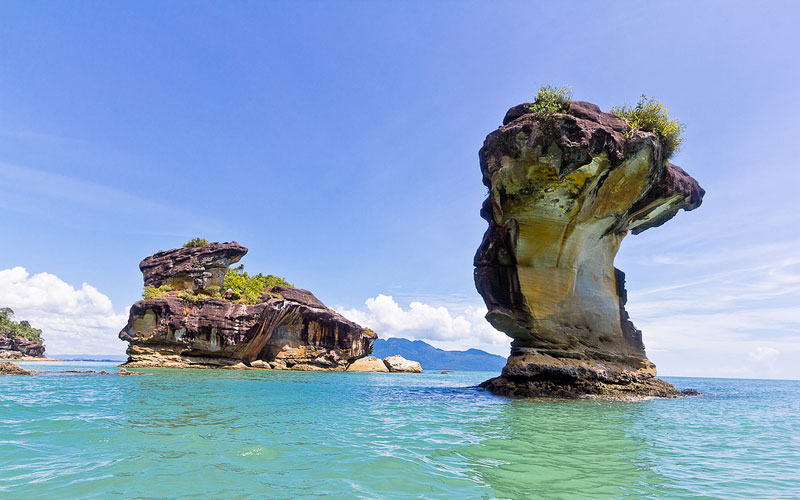
Bako National Park

Bako National Park Carpark and Boat Jetty

Batu Kawah Riverbank Park
Tours & Activities
GetYourGuide provides this tour inventory. We may earn a commission if you book through it; verify current availability, prices, and terms with the provider.
Visitor Reviews
There are no reviews yet. Be the first one to write one.
Share Your Experience
Have you visited Matang Wildlife Centre? Help other travelers by leaving a review.