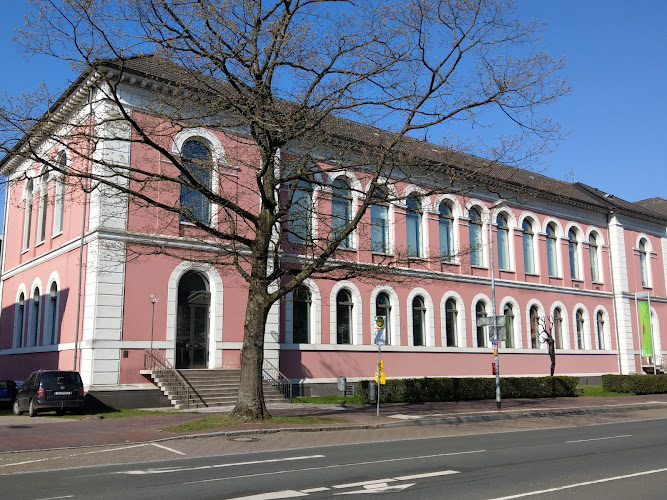
The place presents the region in ways that are both scholarly and surprisingly lively — sometimes even theatrical, because the museum stages live performances that give the displays an extra heartbeat. A traveler who wanders in thinking this will be a dry walk-through will likely leave with new questions, a few smiles, and perhaps a plan to return.
On the ground floor, visitors find natural history exhibits that trace the local landscape and wildlife through fossils, mounted specimens, and interpretive panels. The show is curated in a style that leans toward storytelling rather than mere cataloguing: reconstructed habitats are used as backdrops for human stories, making it easy to see how nature and human life have shaped each other in this corner of Germany. The small aquarium, tucked into the natural history wing, isn’t a huge blockbuster tank, but it’s the kind of thoughtfully arranged collection that delights kids and adults alike—especially when a youngster points out a tiny creature that everyone else missed. That moment, when a child’s enthusiasm becomes contagious, is exactly the kind of museum memory this place fosters.
Upstairs, the archaeology galleries trace settlement patterns, burial practices and keepsakes unearthed through local digs. The artefacts are displayed with context — maps, timelines, and occasionally reconstructions — so one does not need a degree in archaeology to follow along. There is a quiet humility to these rooms; they prefer to pose questions rather than shout answers. This allows visitors to imagine the lives behind the objects. For anyone who enjoys connecting dots across centuries, the collections reward a slow, curious pace.
The ethnographic and local culture sections emphasize regional identity, folk traditions and the everyday objects that tell bigger stories about migration, trade and technological change. The museum makes a deliberate effort to present multiple perspectives, and the curators are not shy about acknowledging gaps or contested interpretations. This is refreshing: museums that admit uncertainty often come across as more trustworthy. Also, it should be noted, the museum identifies as women-owned and that cultural angle subtly influences certain exhibition choices—there is a neat attentiveness to domestic arts, crafts, and the role of women in local history that some visitors notice and appreciate.
Accessibility is taken seriously here. There is a wheelchair-accessible entrance, accessible parking areas, and wheelchair-friendly restrooms, which makes a family outing or a visit with mobility needs far less stressful than at older institutions that haven’t modernized. On the flip side, visitors who rely on assistive hearing loops should be aware that the museum does not provide that service; informed visitors with hearing needs might plan ahead or request information from staff. Gender-neutral restrooms are available, reflecting the museum’s inclusive approach, and the general atmosphere tends to be welcoming to LGBTQ+ visitors, including transgender guests.
Practical amenities are straightforward: there is public Wi-Fi, which is handy for looking up details about exhibits, downloading maps, or sharing images on the fly. There isn’t a full-service restaurant inside; instead, visitors will find seating areas and smaller refreshment options at times, but most people pair a museum visit with a café stop nearby. Note to planners: bring snacks or plan a café break into the itinerary if the group includes hungry kids. Free street parking nearby makes arrival convenient for those driving, though like most city spots, spaces can fill quickly during peak weekends.
The museum manages to balance child-friendly features with serious scholarship. Interactive exhibits and hands-on corners make it genuinely enjoyable for families with children, and the aquarium is a particular hit with younger visitors. At the same time, there are displays aimed at adults who want depth: archaeological case studies, comparative displays of fauna over geological time, and rotating exhibitions that often tackle a specific theme in depth. Live performances, whether a short interpretive piece or a small staged demonstration, add a dimension that keeps the place from becoming static. These performances are scheduled intermittently and can turn a routine visit into a memorable event — worth checking the program on arrival or asking at the front desk.
One of the museum’s subtle strengths is how it encourages curiosity rather than passive viewing. Labels often contain prompts, little challenges for the visitor to think about: What might this tool have cost in its day? How did this animal survive the last ice age? Such prompts make the museum work like a conversation partner. The staff are notably approachable — not the distant, hushed types one sometimes finds in larger institutions. On more than one visit, a staff member has shared an anecdote about a recent find or given an impromptu explanation that made a whole display suddenly click into place. Those small human interactions are part of what makes the museum feel alive.
Expect a range of visitor experiences. Many will stay an hour or two, enough to see the highlights and the aquarium. Enthusiastic history buffs or families on a slow day might spend three hours or more, especially if live performances or special exhibitions are running. The museum’s moderate size is actually an advantage: it feels comprehensive without being overwhelming, so visitors can build depth where they want and skip rest without the sense of missing a whole wing.
There are a few quirks to be aware of. The layout, while logical, requires some climbing of ramps or use of elevators to traverse all three floors comfortably. Lighting in some of the archaeological displays is intentionally low to preserve delicate items, which can make photography tricky for casual shutterbugs. And while Wi-Fi is available, spotty mobile coverage occasionally means social media updates take longer than anticipated. But none of these are deal-breakers; they’re the sorts of honest, human-scale imperfections that make the visit feel authentic rather than overproduced.
For the traveler who enjoys context, this museum is more than a collection of objects. It serves as a compact primer on how nature, local people and broader European currents intersected here. One can leave with clearer ideas about regional biodiversity, insights into ancient settlements around the area, and a better sense of cultural continuity — how craftwork or certain community practices evolved into modern forms. People planning a short stay in Oldenburg will find the Landesmuseum Nature and Humankind an efficient use of time: it delivers local flavor and intellectual satisfaction in a concentrated package.
Personal note: some trips are made up of a single unexpected highlight — the museum has been that for several friends and acquaintances. One remembered visit involved a last-minute school group performance that was so engaging it turned a rainy afternoon into a highlight of a weekend trip. Another time, a casual discovery of a tiny carved amulet in the archaeology room sparked a long conversation in the café afterward about trade routes and daily life in centuries past. These are the small, human stories that the museum seems to attract, quietly, without trumpets.
In short, Landesmuseum Nature and Humankind offers a balanced, thoughtful experience that rewards curiosity. It is well-suited for families, solo travelers who enjoy history and natural history, and anyone who appreciates exhibitions that aim to inform without condescension. People who enjoy museums that feel lived-in—places where the staff share their interests and where performances pop up and make the exhibits breathe—will likely appreciate what this museum offers. It is approachable, occasionally surprising, and more than worth an hour or two of a traveler’s itinerary when in Oldenburg.
 Real Journey Travels