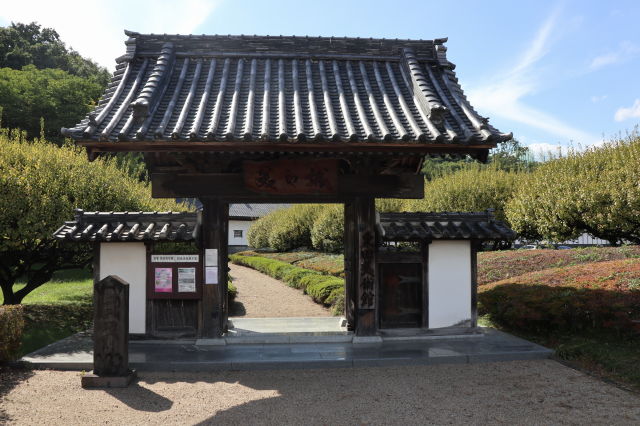
At first glance, it’s a ceramics museum—yes, porcelain, pottery, the works. But step inside and you realize it’s more like a carefully crafted story told through centuries-old Imari and Nabeshima porcelain. These aren’t just decorative plates or vases; they’re fragments of Japanese history, each piece fired with artistry and precision that feels almost impossible today. The museum grounds, spread across nearly 25 acres, are just as much a part of the experience as the collections inside. With landscaped gardens and walking paths, it’s the kind of place where you’ll find yourself slowing down without even trying.
What I personally love is that it doesn’t feel overly polished or commercialized. You don’t get bombarded with flashy displays or gimmicks—just authentic craftsmanship and a peaceful setting. Some visitors might find it a little quieter than expected, especially if they’re used to big, bustling museums. But honestly, that’s part of the charm. It feels intimate, almost like you’ve stumbled into someone’s private collection (which, in a way, you have, since it began with Hideo Kurita’s passion for pottery). If you’re the kind of traveler who enjoys details—the brush strokes, the glaze, the way light hits porcelain—this place will stick with you long after you’ve left.
Best Time to Visit
While the museum is open year-round, the experience changes with the seasons. Spring brings a soft green backdrop and blooming flowers in the surrounding gardens, which makes the porcelain shine even brighter against nature’s colors. Summer can be warm, but the shaded areas around the grounds make it manageable. Personally, I think autumn is the sweet spot—the crisp air, the changing leaves, and the way the light filters through the trees create a magical atmosphere. Winter has its own quiet beauty too, especially if you enjoy fewer crowds and a more contemplative vibe. If you’re planning a trip to Ashikaga anyway, try pairing your visit with seasonal highlights like the Ashikaga Flower Park in spring or the fall foliage that sweeps across the Kanto region.
How to Get There
Getting to the Kurita Museum is fairly straightforward, though it does depend on where you’re coming from. If you’re traveling from Tokyo, the fastest way is by train to Ashikaga Station, followed by a short taxi ride or local bus to the museum. For those who prefer driving, the museum offers plenty of free parking, which is a relief if you’ve ever tried to find parking in busier tourist spots. I once drove there on a whim during a road trip through Tochigi, and honestly, having the freedom to arrive and leave at my own pace made the whole experience feel more relaxed. Just keep in mind that the museum sits on a hillside, so there’s a bit of uphill walking involved if you’re coming by foot.
Tips for Visiting
Here’s where a little insider advice goes a long way. First, wear comfortable shoes. The grounds are spread out, and while it’s not a strenuous hike, you’ll be glad you’re not in stiff shoes when wandering between exhibition halls. Second, don’t rush. This isn’t the kind of museum you “do” in an hour. Give yourself at least half a day to soak in both the porcelain and the gardens. And if you’re traveling with kids, the museum is surprisingly accommodating—there are changing tables, wide paths for strollers, and plenty of open space for little ones to stretch their legs.
Another tip: bring a snack or plan a meal nearby. There isn’t a restaurant inside the museum, so you’ll want to eat before or after. Ashikaga has some great local dining options, from soba shops to casual cafés, and it’s worth exploring the town a bit while you’re there. Also, if you’re into photography, the natural light in the exhibition halls is fantastic, but be mindful of the no-flash policy. The porcelain’s colors and textures come alive in daylight, so visiting earlier in the day can give you the best shots.
And maybe this is just me, but I’d recommend going with an open mind. Some travelers expect a big, glitzy museum experience and leave underwhelmed. But if you approach it as a chance to slow down, appreciate craftsmanship, and enjoy a peaceful corner of Tochigi, it becomes something really memorable. Think of it less as a checklist item and more as a pause button in your trip—a place to breathe, reflect, and admire the kind of artistry that’s easy to overlook in our fast-paced world.
 Real Journey Travels