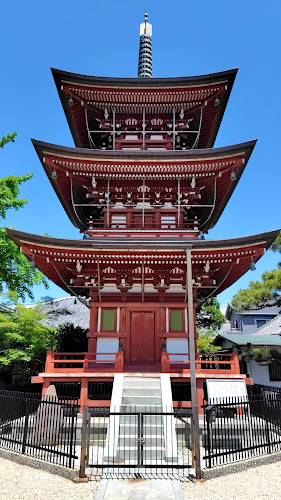
It’s one of those places that feels like it’s been waiting patiently for you to slow down and really see it. The temple is dedicated to Koyasu Kannon, a compassionate form of the Bodhisattva Kannon who is believed to bless mothers with safe childbirth and healthy children. It’s not just a temple—it’s a space that carries centuries of prayers, whispered hopes, and gentle gratitude.
According to legend, the temple was founded in the early 8th century by the monk Dōshō under the order of Emperor Shōmu, with Fujiwara no Fuhito, a powerful figure of the imperial court, playing a role in its establishment. That alone gives it an air of deep historical significance. Over 1,200 years later, it still stands as a symbol of faith and protection for families. I remember the first time I visited—it wasn’t crowded, just a few locals lighting incense and bowing before the main hall. The smell of sandalwood hung in the air, and the faint sound of bells echoed through the courtyard. It’s the kind of place that makes you feel both small and comforted at the same time.
The temple grounds are beautifully maintained, with cherry blossoms that seem to bloom in every season (or at least that’s how it feels). There’s a gentle rhythm to the place—the rustling of leaves, the quiet footsteps on stone paths, and the distant chanting that seems to float from somewhere unseen. And while it’s not a grand temple like Kyoto’s Kiyomizu-dera, it has something more intimate, more personal. You can actually feel the centuries of devotion embedded in its wooden beams and moss-covered stones.
Visitors often come to offer prayers for safe childbirth, fertility, and the well-being of their children. You’ll see small wooden plaques, called ema, hanging near the main hall, each one carrying a handwritten wish. Some are simple—just a name and a date—while others tell entire stories in a few heartfelt lines. It’s humbling, really, to read them and realize how universal those hopes are.
The temple’s atmosphere is peaceful but not silent. It’s alive with quiet energy, the kind that makes you want to linger a little longer, maybe sit on a bench and just breathe. And even though it’s not wheelchair accessible, the pathways are manageable for most visitors, and there are restrooms available on-site. The temple staff are kind and patient, even if you don’t speak Japanese—they understand why you’re there.
Best Time to Visit
If you ask me, the best time to visit Koyasu Kannon Temple really depends on what you’re hoping to experience. Spring is absolutely stunning—the cherry blossoms create a soft pink haze around the temple, and the air feels almost perfumed. It’s a popular time for families to come and pray for new beginnings, which fits the temple’s theme perfectly.
Summer has its own charm, though it can get a bit humid. The lush greenery makes the temple grounds feel like a hidden forest retreat. Autumn, however, is my personal favorite. The maple leaves turn a fiery red and gold, and the contrast against the temple’s dark wooden structures is breathtaking. Winter is quiet, serene, and deeply spiritual. There’s something magical about seeing a light dusting of snow on the temple roof—it feels like time has stopped for a moment.
If you prefer fewer crowds, weekdays in the early morning or late afternoon are ideal. The light is softer, the sounds gentler, and you’ll likely have the place almost to yourself. It’s one of those rare places where solitude feels like a gift rather than loneliness.
How to Get There
Reaching Koyasu Kannon Temple is fairly straightforward, especially if you’re coming from major cities like Nagoya or Osaka. Suzuka is well-connected by train, and once you’re in the city, local buses or taxis can take you close to the temple area. It’s also a pleasant walk from nearby residential streets, giving you a glimpse of everyday life in Mie Prefecture.
If you’re driving, there’s limited parking available nearby, though weekends can get a bit busy. I once made the mistake of arriving on a festival day without checking ahead—ended up parking a good distance away and walking through small backstreets. But honestly, that turned out to be one of the best parts of the visit. I stumbled upon a tiny café run by an elderly couple who served the best matcha latte I’ve ever had. Sometimes the detours are where the real memories are made.
Public transportation is reliable, and signs in English are becoming more common. Still, having a translation app or a few basic Japanese phrases handy can make your journey smoother. Locals are usually happy to help if you get turned around.
Tips for Visiting
Visiting Koyasu Kannon Temple isn’t just about sightseeing—it’s about slowing down and connecting with something deeper. Here are a few tips that might make your visit even more meaningful:
- Bring a small offering: Many visitors bring flowers or incense to leave at the altar. It’s a simple but beautiful gesture of respect.
- Dress modestly: While there’s no strict dress code, it’s always appreciated when visitors dress respectfully in temples.
- Take your time: Don’t rush through. Sit quietly for a few minutes, listen to the wind, and let the atmosphere sink in. It’s amazing how grounding it can be.
- Photography etiquette: Photos are allowed in most areas, but avoid taking pictures during prayer rituals or inside sacred halls.
- Local festivals: If you can, plan your visit around one of the temple’s annual ceremonies. These events often feature traditional music, food stalls, and a sense of community that’s hard to describe.
- Mind your steps: The stone paths can get slippery after rain, so wear comfortable shoes with good grip.
- Stay hydrated: Especially in summer, bring a bottle of water. There are vending machines nearby, but it’s always good to be prepared.
One last thing—if you’re traveling with kids, this temple can be a surprisingly good spot to introduce them to Japanese culture and spirituality. The story of Koyasu Kannon is gentle and relatable, focusing on kindness and protection. And if you’re expecting or hoping to start a family, the temple’s blessings for safe childbirth are said to be especially powerful. Whether or not you believe in that kind of thing, there’s something undeniably comforting about being part of a tradition that’s been alive for over a millennium.
Koyasu Kannon Temple isn’t flashy or overrun with tourists. It’s quiet, sincere, and deeply human. It’s the kind of place that reminds you that travel isn’t just about seeing new things—it’s about feeling something real. And if you leave with a lighter heart or a calmer mind, well, maybe that’s the temple’s greatest blessing of all.
 Real Journey Travels