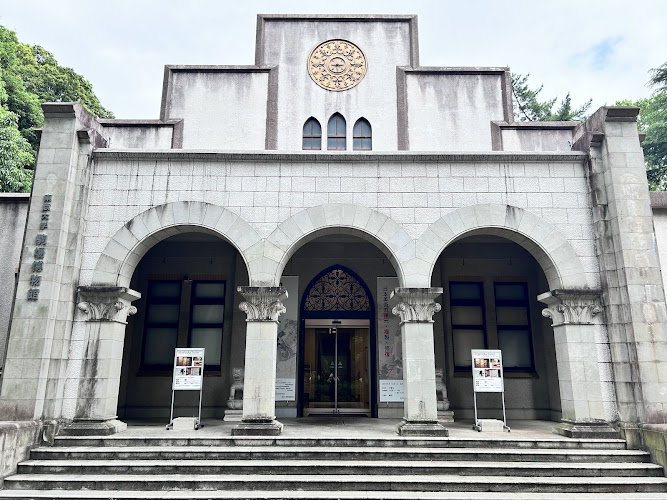
It is an academic museum with a gentle, studied personality: part art and cultural collection, part historic house and campus institution. Visitors often arrive expecting a textbook museum experience and instead find a place that feels lived in — academic, calm, slightly eccentric, and oddly comforting. The mood here is scholarly rather than flashy, which is exactly why many people come back again and again.
Designed for people who like details, the Komaba Museum showcases collections that range from modern Japanese literature and folk crafts to campus-related artifacts and rotating special exhibitions. The museum does not try to overwhelm. It quietly stitches together Japan’s cultural threads — the literary circles, the arts taught at the university, the Maeda family heritage connected to the area — into small rooms that invite slow looking and a little thought. And yes, if a traveler is a fan of modern Japanese literature or folk art, this place is a minor treasure trove.
Accessibility is a practical highlight here. The museum offers a wheelchair accessible entrance and restroom facilities; that level of attention is appreciated by older visitors and families. Restrooms are available on-site. There is no restaurant inside the building, so visitors should plan to grab a bite elsewhere on campus or in neighboring districts like Shibuya if they want a proper meal. But the surrounding campus and nearby Komaba Park provide pleasant spots for a picnic, and many visitors pair a museum visit with a stroll through the neighborhood.
The atmosphere is, in short, cerebral and quietly charming. Many university museums lean too heavily on their archives or academic appeal, but the Komaba Museum manages to be approachable. It’s a good stop for travelers who enjoy cultural context: the exhibits often explore how literature, art, and daily objects intersect with the lives of students, professors, and local residents over the decades. For photographers, the building and campus corners offer subdued, uncluttered compositions; for readers, there are echoes of the literary culture once centered here. For anyone who likes to see how a top Japanese university preserves its own story, Komaba is worth the detour.
Practical details that matter for trip planning are woven into the experience. Opening hours and special exhibition schedules change, of course, but the best visits occur when the museum avoids the compressed rush of tourists — weekdays and mid-mornings are ideal. The museum’s exhibitions rotate, so repeat visits may reveal distinctly different displays: a temporary exhibition on folk crafts one month, a small retrospective of a local writer the next. That variety makes it a subtle but satisfying place for return visitors and for those staying in Tokyo longer than a weekend.
Compared with Tokyo’s major mainstream museums, Komaba feels intimate. The galleries are smaller, the labels are often more scholarly, and exhibits sometimes include items that look like they were lifted directly from an academic archive. Some visitors find that intimacy endearing; others wish for more interactive or English-language interpretive material. The staff, when asked, are usually helpful and friendly, and students from the campus sometimes act as informal guides — especially during events or open days — which gives the visit a local, authentic flavor.
There’s a particular charm connected to the museum’s relationship with Komaba Park and the Maeda residence history. The surrounding area carries a sense of history, and at certain times of the year, a walk around the campus after viewing the exhibitions enhances understanding of the displays. One frequent visitor recalls a rainy afternoon when the park’s quiet pathways felt like an extension of the museum’s reflective mood; it’s the kind of connection that sticks with the memory of a trip.
Travelers who like to plan will appreciate that Komaba is part of a larger cultural and campus circuit. It sits on a campus known for its academic heritage and aesthetic balance of old and new buildings. Many visitors combine a museum stop with a walk to Komaba Park or a visit to other nearby cultural points. Those who enjoy literary or folk art themes will find especially relevant exhibits and collections. And while the museum doesn’t have large on-site dining, the nearby neighborhoods provide plenty of cafés and small eateries where one can sit, take notes, and process the visit.
What makes Komaba stand out are the small, distinctive attributes rather than a single blockbuster attraction. The museum’s focused collections — objects connected to university life, local history, folk crafts, and modern Japanese literary figures — give context to the Komaba campus and to broader cultural currents in Tokyo. The museum’s exhibitions often highlight connections between daily objects and storytelling, which is a neat lens for travelers who appreciate layered cultural narratives rather than flashy display halls.
Visitors should also note the museum’s approach to exhibitions: quiet, sometimes text-heavy, and scholarly. For those used to interactive or heavily multimedia museums, Komaba might feel old-school. But that old-school approach has its virtues: it encourages contemplative viewing. People who love reading labels, appreciating small artifacts, and following a curator’s narrative will be in their element. Families with kids may want to combine the museum with a trip to the park to keep younger visitors engaged.
On the subject of crowds and timing, Komaba performs well. It rarely feels claustrophobic; the majority of visitors are either local students, older residents from Meguro City, or international travelers who deliberately seek quieter cultural experiences. Because the museum is tucked into a campus environment, the pace is more relaxed than what most people encounter in central Tokyo’s busiest districts. That said, special exhibitions can draw larger groups, so planning ahead during popular exhibit runs is wise.
Finally, the Komaba Museum is a good reminder that not every worthwhile cultural experience in Tokyo must be huge or flashy. It rewards attention. Those who take time to look closely — to read a label about a craft object, to notice the layout of an exhibition about a literary figure, to stroll past the Maeda-linked corners of Komaba Park afterward — will leave with more than a quick photo: context, nuance, and a small collection of memorable details. For travelers who like to discover quieter corners of Tokyo, it’s a solid, thoughtful stop.
- Type of museum: university museum blending art, literature, and local cultural artifacts
- Accessibility: wheelchair accessible entrance and restroom, standard restrooms available
- Amenities: restroom on site; no onsite restaurant, so plan for nearby cafés
- Exhibitions: rotating special exhibitions plus permanent collection pieces related to modern Japanese literature, folk crafts, and campus history
- Atmosphere: quiet, scholarly, intimate galleries more suited to contemplative visitors
- Best for: literature fans, folk art enthusiasts, campus-culture curious travelers, and those seeking offbeat Tokyo museums
In short, the Komaba Museum at The University of Tokyo is the kind of place that rewards patience and curiosity. It may not make a loud first impression, but it grows on visitors who like context, quiet galleries, and a touch of academic charm. Travelers who plan a little — check exhibition themes beforehand, allow time for a park walk, and grab a snack nearby — will find a visit both pleasant and unexpectedly insightful. And that feeling, when a small museum quietly deepens one’s sense of place, is worth a little extra planning.
 Real Journey Travels