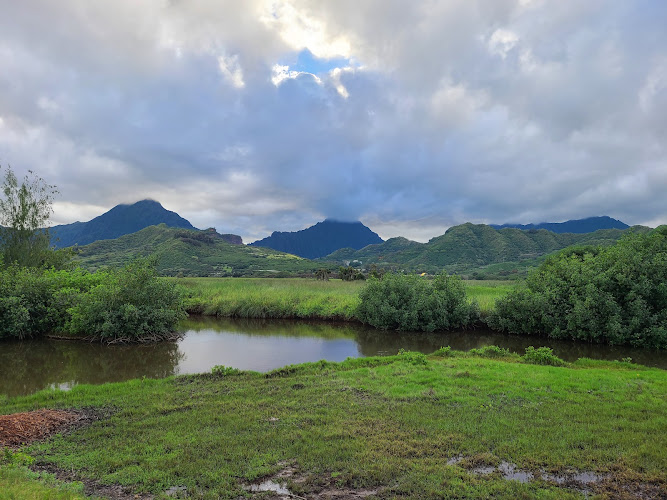
This isn’t your typical tourist trap trail where you’re fighting for elbow room with fifty other Instagram photographers. Instead, you’re walking through one of Hawaii’s largest ancient wetlands, and honestly, it’s the kind of place that makes you forget you’re just minutes from the hustle and bustle of Kailua.
What really strikes me about this area is how it manages to feel both expansive and intimate at the same time. The wetland stretches out before you, this massive natural system that the ancient Hawaiians relied on for growing taro and raising fish. And while you’re walking, you start to understand why this place was so significant—it’s teeming with life in a way that’s different from the beach trails or mountain hikes that most visitors flock to.
The trail system here is part of a restoration project that’s been ongoing for years, which means you’re witnessing conservation in action. You’re not just looking at a preserved museum piece; you’re seeing an ecosystem coming back to life. The boardwalks and paths wind through different sections of the wetland, giving you perspectives on various habitats and the species that call them home. It’s educational without feeling like a school field trip, if that makes sense.
Key Features
The Kawai Nui Hiking Trail brings together several elements that make it stand out from other outdoor destinations on Oahu:
Best Time to Visit
Timing your visit to Kawai Nui can make the difference between a pleasant experience and one where you’re questioning all your life choices. Early morning is hands down the best time to hit this trail, and I’m talking sunrise or shortly after. The temperatures are cooler, the light is absolutely gorgeous for photography, and you’ll catch the most bird activity when they’re out feeding.
Between 6:00 AM and 9:00 AM is that sweet spot where you’ll have the trail mostly to yourself and the wildlife is most active. Plus, if you’re visiting Hawaii, you’re probably dealing with jet lag anyway, so why not use those early morning hours productively?
As far as seasons go—and Hawaii’s seasons are subtle compared to mainland weather patterns—the drier months from April through October generally provide the most comfortable hiking conditions. But here’s the thing: this is a wetland. It’s supposed to be wet. The trail is designed to handle moisture, so don’t completely write off visits during the wetter months from November through March. Actually, the wetland is more vibrant during these months, and you might see more waterfowl.
Avoid midday visits if you can help it. There’s limited shade along most of the trail, and the Hawaiian sun doesn’t mess around. I’ve made the mistake of going out at 1:00 PM thinking “oh, it’s not that hot,” and let me tell you, it was very much that hot. The exposed sections of boardwalk essentially turn into a solar reflector, bouncing heat back at you from every angle.
Weekday mornings see fewer visitors than weekends, naturally. If you’re trying to maximize your solitude and wildlife viewing, schedule your visit for a Tuesday or Wednesday morning. Weekends bring out local families and fitness enthusiasts, which isn’t necessarily bad, but the experience feels more crowded.
Weather-wise, keep an eye on rain forecasts. Brief tropical showers are one thing, but sustained heavy rain can make sections muddy and less enjoyable. That said, the infrastructure here is well-built, and light rain actually creates interesting lighting conditions for photography.
How to Get There
Getting to Kawai Nui from most parts of Oahu is straightforward enough that you won’t need a geography degree to figure it out. If you’re staying in Waikiki, which most visitors are, you’re looking at about a 30-minute drive under normal traffic conditions—though let’s be real, Oahu traffic can be unpredictable, so build in extra time.
Take the Pali Highway (Route 61) toward Kailua. This drive itself is pretty spectacular, especially once you get through the tunnels and start seeing the windward side open up before you. Once you reach Kailua, you’ll navigate toward Kailua Beach Park area, and the trailhead access points are clearly marked from there. The main parking area serves as your starting point.
Parking is free, which feels like finding a unicorn in popular Hawaiian destinations where parking fees seem to increase monthly. The lot isn’t enormous, though, which reinforces why arriving early matters. By mid-morning on weekends, you might find yourself circling or parking along nearby streets.
If you’re relying on public transportation, TheBus does service Kailua, but you’ll need to plan your route carefully and expect the journey to take significantly longer. Route 57 or 57A from Honolulu will get you to Kailua, and from there it’s a walkable distance to the trail access—though “walkable” is relative when you’re already planning to walk several miles on the actual trail.
For those staying in Kailua itself, you’re golden. You can easily bike to the trailhead or even walk from most accommodations in the area. This is one of the perks of basing yourself on the windward side rather than Waikiki.
Rental cars are the most practical option for tourists wanting flexibility. All the major rental companies operate at Honolulu airport, and having a vehicle opens up your ability to explore other windward coast attractions before or after your hike.
Tips for Visiting
Alright, let me share some practical wisdom that’ll make your Kawai Nui experience better. First off, bring more water than you think you need. I cannot stress this enough. There are no water fountains or facilities along the trail, and dehydration sneaks up on you fast in Hawaii’s climate. I usually bring at least a liter per person for a moderate-length walk, more if I’m planning an extended visit.
Sunscreen is non-negotiable. Even on overcast days, UV rays are intense, and you’re spending time on exposed trail sections. Reapply regularly, especially if you’re sweating. A wide-brimmed hat provides additional protection and makes the experience more comfortable overall.
Binoculars transform the birdwatching experience from “oh, there’s a bird” to “wow, look at the details on that endangered Hawaiian coot.” Even basic binoculars make a huge difference in appreciating the wildlife here. And speaking of wildlife, maintain respectful distances. These are wild animals in their habitat—we’re the visitors.
Bug spray might be necessary depending on conditions and your personal mosquito magnetism. Wetlands equal insects sometimes, though it’s not usually terrible. I’ve visited multiple times without issues, but I’ve also had days where I wished I’d brought repellent.
Wear appropriate footwear. You don’t need heavy hiking boots, but those cute sandals you wore to the beach yesterday aren’t ideal either. Comfortable walking shoes or light trail runners work perfectly. The paths are generally well-maintained, but you want adequate support for a few miles of walking.
Bring your camera or ensure your phone is charged. The landscape here photographs beautifully, especially in morning or late afternoon light. The contrast between the wetland, the mountains in the background, and the sky creates compelling compositions.
Download any trail maps or information before you go, because cell service can be spotty in some sections. Having offline access to navigation and trail information prevents confusion and adds confidence to your exploration.
Check the weather forecast but don’t let brief showers scare you off completely. A light rain jacket that packs small is worth tossing in your bag. Hawaiian weather changes quickly, and being prepared means you won’t cut your visit short unnecessarily.
If you’re bringing dogs, pack waste bags and water for them too. Keep them leashed both for their safety and to protect ground-nesting birds and other wildlife. Not every dog handles warm weather well, so assess your pet’s fitness level honestly before bringing them along.
Consider combining your Kawai Nui visit with other Kailua activities. The beach is right there, Lanikai is nearby, and Kailua town has excellent food options. Making a full day of it maximizes your time on this side of the island and reduces the feeling of driving back and forth across Oahu multiple times.
Finally—and this might sound odd—bring a willingness to slow down. This isn’t a trail where you need to rush to reach some spectacular waterfall or summit view. The experience here is more meditative and observational. The beauty reveals itself gradually as you notice bird behaviors, plant details, and the way the landscape shifts throughout your walk. Rushing through Kawai Nui means missing most of what makes it special.
 Real Journey Travels