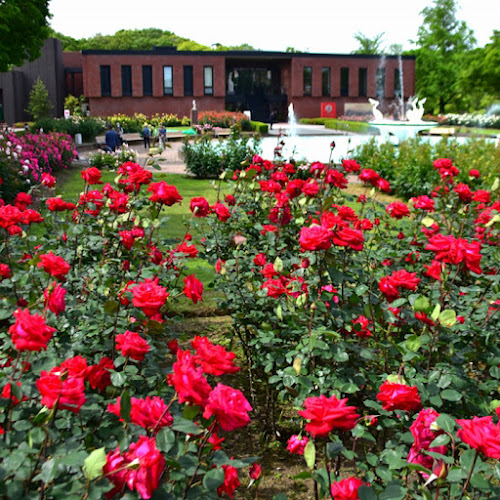
The Ishibashi Cultural Center in Kurume is one of those places that quietly surprises you. It’s not a flashy, over-the-top attraction, but rather the kind that creeps into your memory because of its calm atmosphere and subtle beauty. The center blends art, nature, and local culture in a way that feels effortless. It’s a space where you can slow down, breathe, and actually take in your surroundings—something I think travelers often forget to do. The grounds are meticulously maintained, with seasonal flowers that seem to change personalities depending on the time of year. The rose garden, in particular, is a showstopper when in bloom. I remember wandering through it one spring afternoon, the air so thick with the scent of roses that it felt like walking through a perfume ad (in the best way possible).
Inside the cultural center, visitors will find a balance between art exhibitions, cultural displays, and community events. It’s not just a museum—it’s a living, breathing part of Kurume’s identity. The architecture feels both modern and respectful of tradition, with open spaces that invite you to linger. And the fountain at the heart of the grounds? It’s the kind of place where you’ll see locals sitting quietly, maybe with a book, just enjoying the sound of water trickling in the background. The whole place gives off a sense of quiet pride, as though it knows it doesn’t need to shout to be noticed.
What makes the Ishibashi Cultural Center stand out is its accessibility and inclusivity. The facilities are wheelchair-friendly, with accessible entrances, restrooms, and parking, which makes it easy for everyone to explore comfortably. There’s a certain thoughtfulness in how the space is designed—it’s clear that the people who maintain it care deeply about visitor experience. And honestly, that kind of attention to detail says a lot about the spirit of the place.
It’s also worth mentioning that this cultural center isn’t just for art lovers. Even if you’re not particularly into galleries or exhibitions, the gardens alone are worth the visit. The manicured lawns, the carefully pruned trees, and the seasonal blooms make it feel a bit like walking through a painting. On sunny days, you’ll see families strolling, couples taking photos, and travelers (like me) trying to capture that perfect shot of the fountain framed by flowers. But beyond the aesthetics, there’s a deeper sense of connection here—between nature, art, and the local community. And that’s something you can’t really fake.
Key Features
It’s the kind of place that manages to feel both grand and intimate at the same time. I’ve been to a lot of cultural centers that try too hard—too many signs, too many “don’t touch” warnings—but Ishibashi strikes the right balance. It invites you in rather than keeping you at arm’s length. And that’s what makes it memorable.
Best Time to Visit
If you’re planning a trip, timing really does matter here. The best months to visit are late April through early June when the roses are in full bloom. The garden transforms into a sea of color—reds, pinks, yellows, and whites all blending together in this almost surreal way. I once visited in May, and it felt like walking through a living watercolor painting. The air was warm but not humid, and the sunlight filtered through the leaves just right. You could easily spend hours wandering without realizing how much time has passed.
Autumn is another underrated season. The trees around the grounds turn shades of amber and crimson, giving the whole area a cozy, nostalgic feel. Fewer crowds too, which means more space to yourself. Winter, though quieter, has its own charm. The crisp air and the simple elegance of the gardens stripped of their blooms give it a peaceful, almost meditative quality. Summer can be hot—this is Kyushu, after all—but if you don’t mind the heat, the greenery is lush and full of life. Just bring a hat and some water, and you’ll be fine.
How to Get There
Getting to the Ishibashi Cultural Center is fairly straightforward once you’re in Kurume. The city itself is well-connected by train and bus routes, and local taxis are easy to find. If you’re coming from Fukuoka, it’s about an hour by train, depending on your route. Once you’re in Kurume, the center is just a short taxi ride or a pleasant walk from the main station. I personally enjoy walking—it’s a nice way to see a bit of the city before arriving. The surrounding area is calm and residential, with little cafes and shops that make the journey feel less like a commute and more like part of the experience.
For those driving, parking is available and the lot is accessible for visitors with mobility needs. I’ve driven there once and found it surprisingly easy to navigate, considering how some Japanese cities can be a maze of narrow streets. Signage is clear, and the entrance is well-marked. Public transportation is reliable too, so even if you don’t have a car, you won’t have any trouble getting there. Just make sure to check local schedules ahead of time, especially if you’re visiting on a holiday or weekend when routes can be a bit busier.
Tips for Visiting
Here’s the thing about places like the Ishibashi Cultural Center—they reward slow travel. Don’t rush through it. Take your time wandering the gardens, sit by the fountain, and maybe even bring a small picnic if the weather’s nice. The grounds are large enough that you can find a quiet corner away from the main paths. I once spent nearly an hour just people-watching from a shaded bench—it’s oddly therapeutic.
Bring a camera, but don’t spend the whole visit behind a lens. The beauty of this place isn’t just in how it looks, but how it feels. The soft hum of conversation, the rustle of leaves, the distant splash of the fountain—it’s all part of the experience. If you’re traveling with kids, the open spaces are perfect for them to run around safely. And if you’re into art, check the schedule before you go. The exhibitions rotate regularly, and you might catch something unexpected and inspiring.
Comfortable shoes are a must. The grounds are expansive, and while the paths are smooth and accessible, you’ll still be doing a fair bit of walking. Also, if you’re sensitive to heat, plan your visit early in the morning or later in the afternoon during summer months. The midday sun can be intense. There are restrooms available, which is always a relief when you’re exploring for a few hours, and the facilities are clean and well-kept.
One more thing—don’t be afraid to talk to the staff or even the locals you meet there. People in Kurume are generally warm and curious, and you might get some great recommendations for nearby cafes or hidden spots that don’t show up on travel guides. I once chatted with an elderly gentleman who told me about a small bakery just a few blocks away that made the best melon bread I’ve ever had. Those little moments are what make travel special, you know?
In short, the Ishibashi Cultural Center is more than just a cultural site—it’s a reflection of Kurume’s heart. Whether you’re into art, gardens, or simply looking for a peaceful place to unwind, it offers a genuine, unhurried experience. It’s the kind of destination that leaves you feeling lighter when you leave, like you’ve just exhaled a long-held breath. And honestly, that’s the best kind of travel memory there is.
 Real Journey Travels