Kurume is a substantial but relaxed regional city in southern Fukuoka Prefecture, spread across the fertile Chikugo Plain beside the Chikugo River. It sits between Fukuoka and Saga on northern Kyushu’s main rail and road routes, making it an easy stop for travelers who want to look beyond Fukuoka’s urban core. The city is closely associated with tonkotsu ramen, Kurume kasuri indigo textiles, rubber manufacturing, and a calendar shaped by cherry blossom, azalea, and river life.
This is a good destination for food-focused travelers, rail users, garden and shrine visitors, and anyone seeking a quieter base with authentic everyday Kyushu character. Kurume rewards an unhurried one- or two-night stay rather than a checklist visit: spend time around its cultural parks, old shrine approaches, riverside spaces, local shopping streets, and ramen counters, then use its excellent connections for day trips across Chikugo and northern Kyushu.
Quick Planning Snapshot
Planning detailWhat to knowBest seasonsLate March to early April for cherry blossom; April to May for azaleas; October to November for comfortable walking weather.Typical trip lengthOne full day covers highlights; two days allows museums, food stops, and a nearby excursion.Main transport hubJR Kurume Station, served by the Kyushu Shinkansen and JR local lines; Nishitetsu Kurume Station is central for city life and regional trains.Local currencyJapanese yen; cards are common, but carry cash for smaller shops, temples, and local buses.Primary languageJapanese. English signage is strongest at major stations and larger visitor sites.Walkability and transitCentral districts are walkable, but attractions are spread out; buses, trains, taxis, and occasional bicycle use are practical.
Getting There and Getting Around
Fukuoka Airport is the most useful gateway, with domestic routes across Japan and international connections; from there, reach Hakata Station by subway and continue by Kyushu Shinkansen. The fastest trains take roughly 17 to 20 minutes from Hakata to JR Kurume. Tokyo travelers can fly to Fukuoka, while rail travelers can use the Tokaido and Sanyo Shinkansen to Hakata and transfer. Saga Airport can also be useful for limited domestic services, especially if combining Kurume with Saga Prefecture. By road, Kurume is connected to the Kyushu Expressway and major corridors across the Chikugo region.
Do not confuse JR Kurume with Nishitetsu Kurume: they are separate stations about two kilometres apart. JR Kurume is best for Shinkansen arrivals, the JR Kagoshima Main Line, and access toward Fukuoka or Kumamoto. Nishitetsu Kurume is closer to many restaurants, shops, and city-center hotels, and is the departure point for Nishitetsu services toward Fukuoka and Ōmuta. Local buses bridge the two stations and reach Kōra Taisha, the Ishibashi Cultural Center area, and suburban sights. Taxis are useful after dinner or when visiting several dispersed places in one day; have your destination written in Japanese when possible.
Best Areas to Stay and Neighborhood Character
Nishitetsu Kurume and Higashimachi: The most convenient choice for first-time visitors, with department stores, cafes, izakaya, ramen shops, buses, and straightforward rail access to Fukuoka. It suits short stays and travelers without a car.
JR Kurume and the Chikugo River side: Best for Shinkansen arrivals, early departures, and a calmer atmosphere. The riverfront is pleasant for a walk, though nightlife is less concentrated than around Nishitetsu Kurume.
Hanabatake and central residential streets: A practical middle ground near Nishitetsu lines, local dining, and everyday shopping. Look here for smaller business hotels and apartment-style options where available.
Kōra and the eastern hills: Better for travelers prioritizing shrine visits, greenery, and a quieter setting. This area is less convenient for late-night dining and generally works best with buses, taxis, or a car.
Top Things to Do, Local Culture and Day Trips
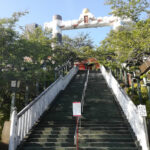
Start at Kōra Taisha, an important shrine on Mount Kōra overlooking the plain. Its wooded approach, stone steps, and elevated setting make it especially rewarding in cooler months or early morning. In central Kurume, the Ishibashi Cultural Center combines landscaped grounds with the Kurume City Art Museum and spaces connected to the Ishibashi family, founders of Bridgestone. It is a strong choice for art, garden walks, and a break from transit. Nearby Hyakunen Park is known for seasonal azaleas, while Kurume Forest Azalea Park on the slopes of Mount Kōra offers a larger spring display and broad views.
For history, visit the remains of Kurume Castle near the river and Bairinji Temple, a Soto Zen temple with a quiet, traditional atmosphere. Suitengū Shrine, associated with water and safe childbirth, is another significant local religious site. Seek out Kurume kasuri, the city’s renowned handwoven, resist-dyed cotton textile, through exhibitions, specialist shops, and craft-oriented events. Kurume’s industrial story is equally important: the city was the birthplace of Bridgestone, and its manufacturing heritage helps explain its role as a working regional center rather than solely a heritage destination.
For day trips, take the Nishitetsu line to Yanagawa for canal cruises and unagi cuisine, or travel east into Yame for tea country, traditional merchant-town streets, and regional crafts. Dazaifu, with Dazaifu Tenman-gū and the Kyushu National Museum, is feasible by rail with transfers and is especially popular during plum blossom season. Travelers with a car can explore the Chikugo countryside, sake breweries, fruit-growing areas, and smaller towns at a slower pace.
Practical Planning Tips, Food Specialties and a Two-Day Flow
Kurume is generally very safe, but use standard city awareness around stations, nightlife areas, and late trains. Summers are hot, humid, and often rainy, so schedule outdoor walks early, carry water, and monitor heavy-rain warnings during the June to July rainy season and typhoon period. Winters are comparatively mild but can feel raw near the river. Bowing is appreciated but not expected of visitors; speak quietly on public transport, queue carefully, remove shoes where requested, and do not tip at restaurants or taxis.
Kurume ramen is the essential meal: its pork-bone broth is rich and fragrant, commonly paired with thin noodles. Many shops use a continuing broth method known locally as yobimodoshi, adding depth over time. Also look for yakitori in the broad northern-Kyushu sense, where skewers may include pork, chicken, vegetables, and offal; local sake; Chikugo wines; and sweets or tea products from nearby Yame. At ramen counters, check whether ticket machines are used before taking a seat.
Day one: Arrive at JR Kurume, walk or bus toward the river and Kurume Castle area, visit Bairinji Temple, then spend the afternoon at the Ishibashi Cultural Center and Kurume City Art Museum. Move to Nishitetsu Kurume for ramen and an izakaya dinner.
Day two: Visit Kōra Taisha and, in azalea season, Kurume Forest Azalea Park or Hyakunen Park. Return to the center for kasuri-related browsing and lunch, then choose an afternoon trip to Yanagawa or Yame before continuing to Fukuoka, Kumamoto, or Saga.
 Real Journey Travels