
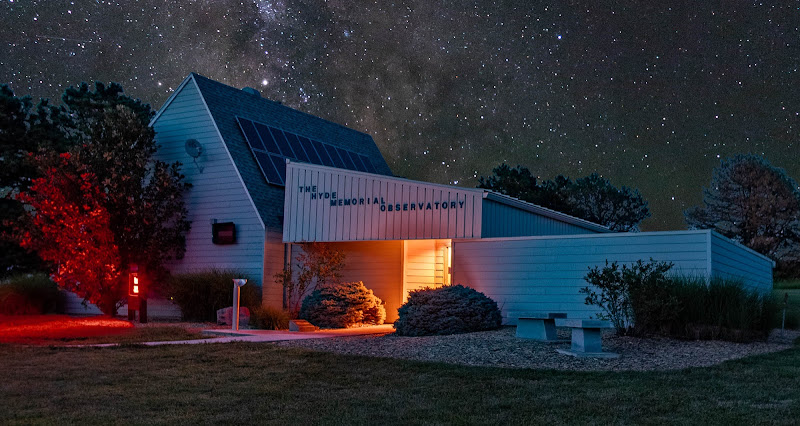
Hyde Observatory at Holmes Park
About Hyde Observatory at Holmes Park
Description
The Hyde Observatory at Holmes Park is one of those hidden gems that’s easy to overlook if you’re not in the know, but once you discover it, it quickly becomes a staple for anyone curious about the night sky—or even the day sky, if you’re into that sort of thing. It’s tucked away in Lincoln, Nebraska, and while it’s not the largest or flashiest observatory you’ll ever visit, it has a charm all its own, especially if you appreciate a no-frills, hands-on learning experience. What makes Hyde Observatory stand out? For starters, it’s run largely by passionate volunteers who genuinely love sharing the cosmos. These folks are the real deal, eager to show visitors the wonders of planets, stars, and galaxies through powerful telescopes that might make you say, “Whoa, that’s the moon up close?!”
The observatory’s schedule varies by season — which is understandable if you think about how weather or daylight hours can mess with stargazing plans. They host programs for all sorts of people, from starry-eyed kids to adults who secretly geek out over Saturn’s rings. Accessibility is a nice touch here—there’s wheelchair accessible parking and entrances, so you won’t find any unnecessary hurdles getting in. If you bring your kids, you’ll find it’s pretty kid-friendly, which is a relief for parents who want to share a little cosmic wonder without the usual eye rolls.
Also, it’s kinda refreshing to visit a place where the emphasis isn’t on high-tech dazzling gimmicks but on just plain good, solid astronomy. You can learn a thing or two, ask questions, and actually look through real telescopes that show off craters or distant planets like you’ve never seen ‘em before. If you’re lucky, you might catch one of those rare moments where the sky is so clear and dark that even the faintest stars pop out to say hello. Plus, it’s got an on-site parking lot—no need to drag your gear across a mile-long trail or pay a fortune for parking.
Key Features
- Multiple telescopes available for public viewing, offering close-up views of the moon, planets, and deep-sky objects
- Wheelchair accessible entrance and parking, making the experience inclusive for visitors with mobility challenges
- Seasonally adjusted operating hours to maximize chances for clear, dark skies
- Family-friendly environment ideal for kids and adults alike, encouraging curiosity about astronomy from a young age
- Passionate, knowledgeable volunteers who are more than happy to answer your questions or share interesting space facts
- On-site parking with no stress of finding a spot nearby
- Programs and special events scheduled throughout the year, allowing visitors to plan ahead for specific celestial viewings or themed nights
- Quiet, peaceful atmosphere in Holmes Park that lets you focus on the night sky without city distractions
Best Time to Visit
If you want the best bang for your buck—or shall I say, best view for your eyeballs—visiting on a clear, moonless night is your top priority. The observatory’s programs tend to run most actively during spring, summer, and fall when the weather cooperates better here in Nebraska, but don’t skip winter entirely if the sky’s clear—you might just catch a comet or a glimpse of the Orion constellation in all its glory.
Arriving after dusk is a no-brainer; stargazing just doesn’t quite work when the sun’s still hanging around. Weekends can get a little crowded, especially when there’s a special event like a meteor shower or an eclipse happening. If you’re more of a chill, laid-back visitor, a weekday evening might feel more like your speed. Plus, the atmospheric conditions tend to change constantly, so check the local weather and, if you can, peek at the observatory’s schedule before you head out.
Honestly, I once went on an impromptu visit right after a thunderstorm, and the sky was ridiculously clear. The air felt crisp and everything looked sharper with less atmospheric haze. So, spontaneity can have its rewards too, if you’re flexible with the schedule.
How to Get There
Getting to Hyde Observatory is straightforward, but heads up—it’s tucked into Holmes Park, so having your own ride is a serious plus. Public transit options in Lincoln aren’t exactly sprawling, so if you’re counting on a quick bus or train, you might come away frustrated. Driving is definitely the easiest and most flexible option here, especially if you want to hang out for stargazing late into the evening without worrying about schedules.
Once you’re in Holmes Park, just follow the signs leading to the observatory. There’s on-site parking, which as someone who’s hunted down parking spots more times than I care to admit, is a blessing. The lot is also wheelchair accessible, keeping things hassle-free for folks with limited mobility.
If you’re coming from downtown Lincoln, you’re looking at about a 15-20 minute drive—pretty reasonable for a little escape outside the city buzz. The route mostly involves South 70th Street, so just watch for the park entrance and you’re golden. If you do find yourself wandering around, locals are usually super friendly and love geeking out about the observatory, so don’t be shy about asking for directions.
Tips for Visiting
Here’s the deal: the Hyde Observatory experience is better when you roll in prepped. First off, dress for the weather. It might be Nebraska, but clear nights can get surprisingly chilly once the sun dips below the horizon—layers are your friend here. Bringing a light jacket or hoodie means you won’t be counting the minutes until you can escape back to your car.
If you’re aiming for the ultimate star party, try to avoid the weekends when the place is bustling with families and kids (not that that’s a bad thing, but you know, quiet can be nice too).
Oh, and bring your curiosity and maybe a notebook. The volunteers often share neat tidbits and you don’t want to forget them. Plus, if you’re there for a special event, like a meteor shower night, a little prep on which constellations or celestial bodies to look out for can ramp up your excitement.
Got kids? Hyde Observatory is surprisingly kid-friendly, but reminding the little ones about basic stargazing etiquette (like no shouting in the dark or bouncing flashlights around) goes a long way to keep things smooth for everybody.
One personal tip—try to go when the moon isn’t full. Don’t get me wrong, a full moon is beautiful, but it floods the sky with light and makes it way harder to see more subtle stars and nebulae. The observatory usually plans special events around lunar phases, so syncing up your visit with a new moon phase will seriously up your stargazing game.
Lastly, be patient. Sometimes clouds sneak up or the sky plays coy. But trust me, when the sky opens up and you catch sight of a distant galaxy or the rings of Saturn, that patience feels like a tiny cosmic reward. So, pack some snacks, bring friends, keep an open mind, and let your curiosity run wild.
Key Features
- Multiple telescopes available for public viewing, offering close-up views of the moon, planets, and deep-sky objects
- Wheelchair accessible entrance and parking, making the experience inclusive for visitors with mobility challenges
- Seasonally adjusted operating hours to maximize chances for clear, dark skies
- Family-friendly environment ideal for kids and adults alike, encouraging curiosity about astronomy from a young age
- Passionate, knowledgeable volunteers who are more than happy to answer your questions or share interesting space facts
- On-site parking with no stress of finding a spot nearby
- Programs and special events scheduled throughout the year, allowing visitors to plan ahead for specific celestial viewings or themed nights
- Quiet, peaceful atmosphere in Holmes Park that lets you focus on the night sky without city distractions
More Details
Updated August 8, 2025
Table of Contents
Description
The Hyde Observatory at Holmes Park is one of those hidden gems that’s easy to overlook if you’re not in the know, but once you discover it, it quickly becomes a staple for anyone curious about the night sky—or even the day sky, if you’re into that sort of thing. It’s tucked away in Lincoln, Nebraska, and while it’s not the largest or flashiest observatory you’ll ever visit, it has a charm all its own, especially if you appreciate a no-frills, hands-on learning experience. What makes Hyde Observatory stand out? For starters, it’s run largely by passionate volunteers who genuinely love sharing the cosmos. These folks are the real deal, eager to show visitors the wonders of planets, stars, and galaxies through powerful telescopes that might make you say, “Whoa, that’s the moon up close?!”
The observatory’s schedule varies by season — which is understandable if you think about how weather or daylight hours can mess with stargazing plans. They host programs for all sorts of people, from starry-eyed kids to adults who secretly geek out over Saturn’s rings. Accessibility is a nice touch here—there’s wheelchair accessible parking and entrances, so you won’t find any unnecessary hurdles getting in. If you bring your kids, you’ll find it’s pretty kid-friendly, which is a relief for parents who want to share a little cosmic wonder without the usual eye rolls.
Also, it’s kinda refreshing to visit a place where the emphasis isn’t on high-tech dazzling gimmicks but on just plain good, solid astronomy. You can learn a thing or two, ask questions, and actually look through real telescopes that show off craters or distant planets like you’ve never seen ‘em before. If you’re lucky, you might catch one of those rare moments where the sky is so clear and dark that even the faintest stars pop out to say hello. Plus, it’s got an on-site parking lot—no need to drag your gear across a mile-long trail or pay a fortune for parking.
Key Features
- Multiple telescopes available for public viewing, offering close-up views of the moon, planets, and deep-sky objects
- Wheelchair accessible entrance and parking, making the experience inclusive for visitors with mobility challenges
- Seasonally adjusted operating hours to maximize chances for clear, dark skies
- Family-friendly environment ideal for kids and adults alike, encouraging curiosity about astronomy from a young age
- Passionate, knowledgeable volunteers who are more than happy to answer your questions or share interesting space facts
- On-site parking with no stress of finding a spot nearby
- Programs and special events scheduled throughout the year, allowing visitors to plan ahead for specific celestial viewings or themed nights
- Quiet, peaceful atmosphere in Holmes Park that lets you focus on the night sky without city distractions
Best Time to Visit
If you want the best bang for your buck—or shall I say, best view for your eyeballs—visiting on a clear, moonless night is your top priority. The observatory’s programs tend to run most actively during spring, summer, and fall when the weather cooperates better here in Nebraska, but don’t skip winter entirely if the sky’s clear—you might just catch a comet or a glimpse of the Orion constellation in all its glory.
Arriving after dusk is a no-brainer; stargazing just doesn’t quite work when the sun’s still hanging around. Weekends can get a little crowded, especially when there’s a special event like a meteor shower or an eclipse happening. If you’re more of a chill, laid-back visitor, a weekday evening might feel more like your speed. Plus, the atmospheric conditions tend to change constantly, so check the local weather and, if you can, peek at the observatory’s schedule before you head out.
Honestly, I once went on an impromptu visit right after a thunderstorm, and the sky was ridiculously clear. The air felt crisp and everything looked sharper with less atmospheric haze. So, spontaneity can have its rewards too, if you’re flexible with the schedule.
How to Get There
Getting to Hyde Observatory is straightforward, but heads up—it’s tucked into Holmes Park, so having your own ride is a serious plus. Public transit options in Lincoln aren’t exactly sprawling, so if you’re counting on a quick bus or train, you might come away frustrated. Driving is definitely the easiest and most flexible option here, especially if you want to hang out for stargazing late into the evening without worrying about schedules.
Once you’re in Holmes Park, just follow the signs leading to the observatory. There’s on-site parking, which as someone who’s hunted down parking spots more times than I care to admit, is a blessing. The lot is also wheelchair accessible, keeping things hassle-free for folks with limited mobility.
If you’re coming from downtown Lincoln, you’re looking at about a 15-20 minute drive—pretty reasonable for a little escape outside the city buzz. The route mostly involves South 70th Street, so just watch for the park entrance and you’re golden. If you do find yourself wandering around, locals are usually super friendly and love geeking out about the observatory, so don’t be shy about asking for directions.
Tips for Visiting
Here’s the deal: the Hyde Observatory experience is better when you roll in prepped. First off, dress for the weather. It might be Nebraska, but clear nights can get surprisingly chilly once the sun dips below the horizon—layers are your friend here. Bringing a light jacket or hoodie means you won’t be counting the minutes until you can escape back to your car.
If you’re aiming for the ultimate star party, try to avoid the weekends when the place is bustling with families and kids (not that that’s a bad thing, but you know, quiet can be nice too).
Oh, and bring your curiosity and maybe a notebook. The volunteers often share neat tidbits and you don’t want to forget them. Plus, if you’re there for a special event, like a meteor shower night, a little prep on which constellations or celestial bodies to look out for can ramp up your excitement.
Got kids? Hyde Observatory is surprisingly kid-friendly, but reminding the little ones about basic stargazing etiquette (like no shouting in the dark or bouncing flashlights around) goes a long way to keep things smooth for everybody.
One personal tip—try to go when the moon isn’t full. Don’t get me wrong, a full moon is beautiful, but it floods the sky with light and makes it way harder to see more subtle stars and nebulae. The observatory usually plans special events around lunar phases, so syncing up your visit with a new moon phase will seriously up your stargazing game.
Lastly, be patient. Sometimes clouds sneak up or the sky plays coy. But trust me, when the sky opens up and you catch sight of a distant galaxy or the rings of Saturn, that patience feels like a tiny cosmic reward. So, pack some snacks, bring friends, keep an open mind, and let your curiosity run wild.
Key Highlights
- Multiple telescopes available for public viewing, offering close-up views of the moon, planets, and deep-sky objects
- Wheelchair accessible entrance and parking, making the experience inclusive for visitors with mobility challenges
- Seasonally adjusted operating hours to maximize chances for clear, dark skies
- Family-friendly environment ideal for kids and adults alike, encouraging curiosity about astronomy from a young age
- Passionate, knowledgeable volunteers who are more than happy to answer your questions or share interesting space facts
- On-site parking with no stress of finding a spot nearby
- Programs and special events scheduled throughout the year, allowing visitors to plan ahead for specific celestial viewings or themed nights
- Quiet, peaceful atmosphere in Holmes Park that lets you focus on the night sky without city distractions
Location
Places to Stay Near Hyde Observatory at Holmes Park
Find and Book a Tour
Explore More Travel Guides
No reviews found! Be the first to review!
Traveler Reviews for Hyde Observatory at Holmes Park
There are no reviews yet. Be the first one to write one.
Have you visited Hyde Observatory at Holmes Park? Help other travelers by sharing your review.
You Might Also Like
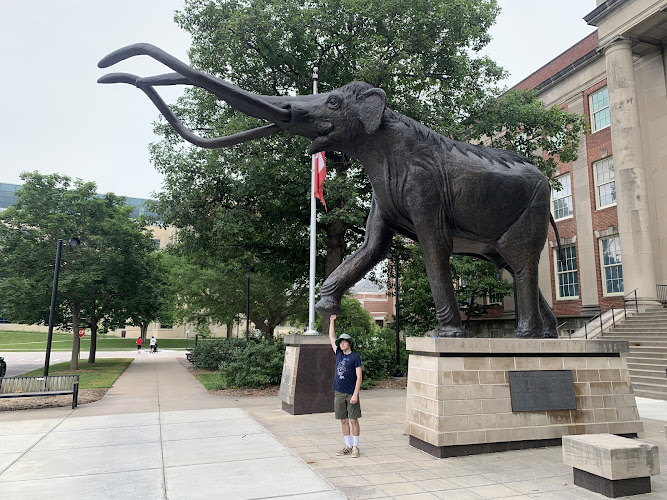
University of Nebraska State Museum - Morrill Hall
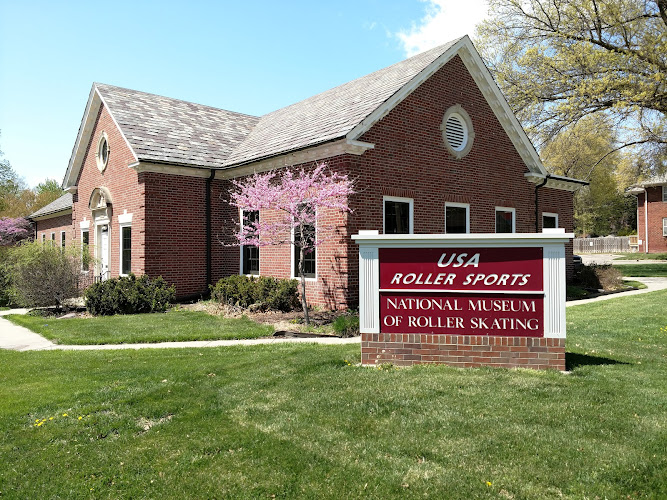
National Museum of Roller Skating
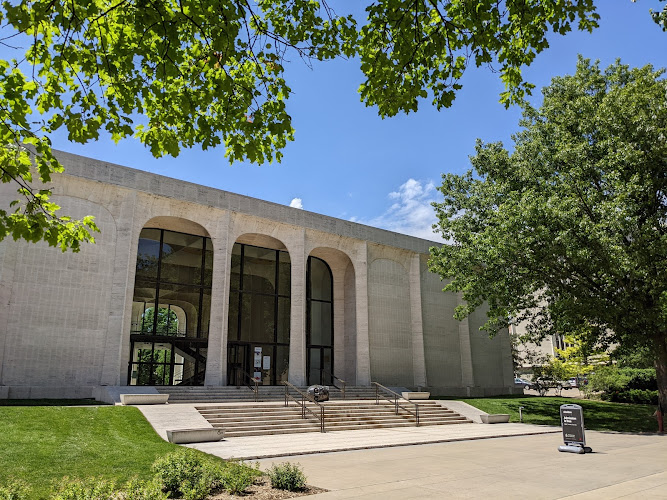
Sheldon Museum of Art
Find Accommodations Nearby
Recommended Tours & Activities
Visitor Reviews
There are no reviews yet. Be the first one to write one.
Share Your Experience
Have you visited Hyde Observatory at Holmes Park? Help other travelers by leaving a review.