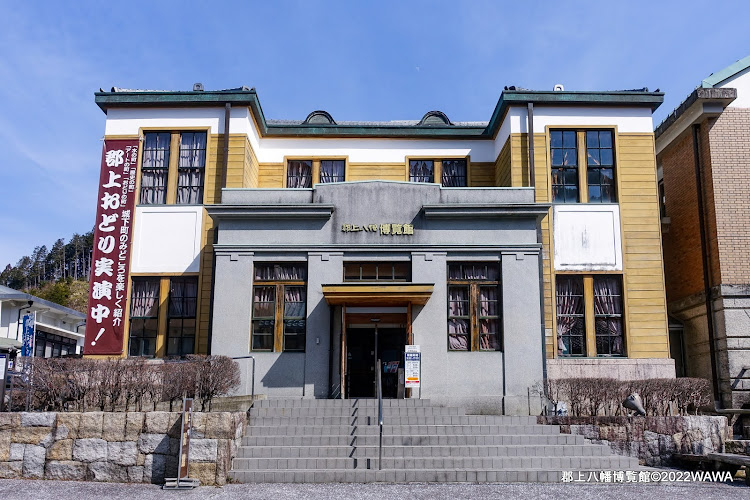
Housed in what used to be a tax office from the Taisho era, the building itself has that mix of retro charm and modern touches that make you pause and really look around. It’s not a huge museum—you won’t get lost in endless corridors—but that’s part of its appeal. Instead of overwhelming you with facts, it gives you a sense of the town’s heartbeat: the water that flows through Gujo, the centuries-old traditions, and of course, the famous Gujo Odori dance.
Now, here’s the thing. Some visitors rave about it, others walk away thinking it was just “okay.” Honestly, I get both sides. If you’re expecting a massive, high-tech museum, you might be underwhelmed. But if you appreciate smaller cultural spaces where you can actually feel the stories instead of just reading them, then this place hits the spot. I remember sitting in on one of the Gujo Odori demonstrations, and even though it was only a few minutes long, the energy of the dancers in their yukata pulled me right in. It wasn’t polished like some staged performance—it felt real, like you were being let in on something personal.
The museum also does a good job of being accessible and family-friendly. Kids can enjoy the dance demonstrations without getting restless, and the exhibits are simple enough to keep their attention. And for travelers who need practical amenities, the place ticks a lot of boxes: wheelchair access, restrooms, Wi-Fi, and on-site parking. It’s not fancy, but it’s thoughtful. That balance of history, culture, and convenience makes it a solid stop if you’re exploring Gujo Hachiman.
Best Time to Visit
If you’re already planning to visit Gujo Hachiman during the summer Gujo Odori festival, then stopping by the Hakurankan Museum is almost a must. The museum’s dance demonstrations give you a preview of what you’ll see at night in the streets, and it’s a less crowded way to understand the steps before you jump into the real thing. Personally, I think mornings are the best time to visit. The town is quieter, the museum isn’t too busy, and you can take your time exploring without feeling rushed.
Winter has its charm too. The museum becomes a cozy indoor stop when Gujo is blanketed in snow. Since the dance demonstrations run year-round, you don’t miss out even if you’re not visiting during festival season. Honestly, no matter the season, the museum works as a nice anchor to your trip—it helps you understand the town before you wander into its streets and canals.
How to Get There
Reaching the Gujohachiman Hakurankan Museum is fairly straightforward if you’re already in Gujo Hachiman. The museum sits in the heart of the castle town, so it’s easy to reach on foot if you’re staying nearby. For those coming from Gifu City, you can take a train to Gujo-Hachiman Station and then either walk or catch a local bus or taxi into town. The station is a bit outside the main area, so don’t expect to step off the train and be right at the museum—it takes a little extra effort.
If you’re driving, the on-site paid parking lot is convenient. I’ve found it especially helpful when traveling with family, since you don’t have to juggle kids, bags, and a long walk from some distant parking spot. Just be aware that during festival season, parking can fill up quickly, so plan to arrive early or consider alternative transport.
Tips for Visiting
Here are a few things I’ve picked up from my own visits and from chatting with other travelers. First, time your visit around one of the Gujo Odori demonstrations. They happen four times a day, and they’re really the highlight of the museum. Even if you’re not much of a dancer, watching the staff perform in traditional attire gives you a sense of the rhythm and spirit that defines Gujo. And yes, sometimes they’ll even encourage you to join in—it’s low-pressure and fun.
Second, give yourself at least an hour here. The museum isn’t huge, but if you rush through, you’ll miss the details in the exhibits and the chance to soak in the atmosphere. I once made the mistake of popping in “just for a quick look” and ended up regretting not staying for the next dance demonstration. Lesson learned.
Another tip: check out the souvenir shop. It’s not massive, but you can find some unique local crafts that make better keepsakes than the usual keychains or magnets. And if you’re traveling with kids, the shop is a nice way to let them pick something small to remember the trip by without breaking the bank.
Lastly, don’t skip the rest of the town after your visit. The museum sets the stage, but the real magic is outside—wandering along the canals, climbing up to the castle, or just grabbing a bite at one of the small eateries. Think of the Hakurankan as your introduction, and then let the rest of Gujo Hachiman tell you the rest of the story.
 Real Journey Travels