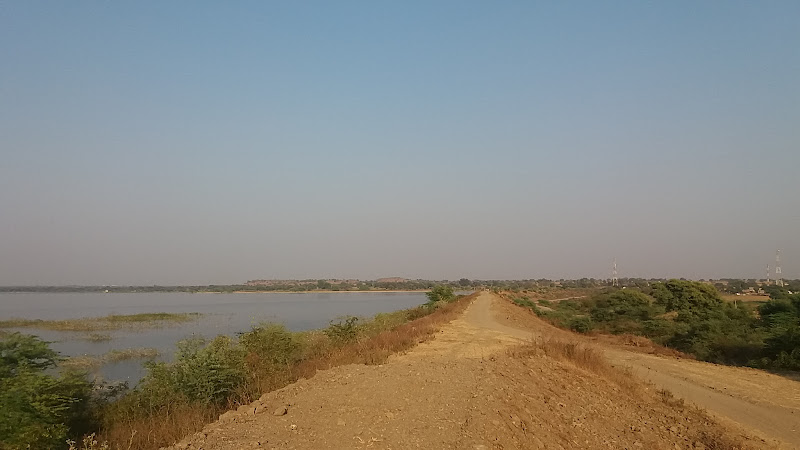
It’s quiet in a way that feels intentional, like the land itself asked people to slow down. Devarjan sits in a rural pocket of India where the scenery shifts between rocky outcrops, scrub forests, and long stretches of farmland that glow golden in the late afternoon sun. If you’re the kind of traveler who prefers real places over polished attractions, this spot has a way of getting under your skin.
What makes Devarjan interesting isn’t one single landmark but the overall atmosphere. There’s a rhythm to daily life here. Mornings start early, with the smell of wood smoke drifting from homes and temple bells echoing softly. By noon, the place feels almost paused, the heat pushing people indoors. And evenings, well, evenings are something special. I still remember sitting on a stone ledge here once, watching kids play cricket with a battered bat while elders argued cheerfully about politics. That’s Devarjan in a nutshell—ordinary, layered, and deeply human.
Travelers often come expecting a quick stop and end up staying longer than planned. And yes, parts of Devarjan can feel rough around the edges. Roads aren’t always perfect, facilities are basic, and you’ll need patience. But that’s also the charm. This isn’t a destination trying to impress you. It just exists, quietly confident in its history, traditions, and landscape. For cultural travelers, slow explorers, and photographers who like honest frames, Devarjan delivers something rare: authenticity without performance.
Best Time to Visit
The best time to visit Devarjan is between October and February, when the weather cools down and the landscape feels more forgiving. Days are pleasant, nights can be surprisingly crisp, and walking around doesn’t feel like a battle against the sun. This is also when the countryside looks its best, with post-monsoon greenery still hanging on.
March to May can be tough, especially if you’re not used to heat. The afternoons get intense, and exploring outdoors becomes limited. That said, if you’re okay with early mornings and late evenings, you’ll still find moments of beauty. I once visited in April and learned very quickly to respect the sun. Lesson learned. But those sunrise walks? Totally worth it.
The monsoon season, roughly June to September, transforms Devarjan into a different place. The hills turn lush, water collects in unexpected spots, and the air smells clean. Travel can be unpredictable though. Roads may be slippery, and plans can change fast. For adventurous travelers who don’t mind a little uncertainty, monsoon visits can feel magical. Just pack patience. And a good pair of sandals.
How to Get There
Getting to Devarjan is part of the experience, and honestly, it’s not always straightforward. Most travelers reach the nearest major town or city first, then continue by road. Public transport exists but runs on its own logic, not yours. Buses can be infrequent, and schedules are more suggestion than rule.
Hiring a taxi or driving yourself offers the most flexibility. The roads leading to Devarjan vary from decent highways to narrower rural stretches where you’ll share space with tractors, goats, and the occasional lost cow. And yes, that’s normal. If you’re driving, keep fuel topped up and don’t rely too much on navigation apps. Locals giving directions with hand gestures is half the fun.
For those using trains, the nearest railway station connects Devarjan to larger cities, but you’ll still need local transport for the final leg. Autos and shared jeeps are common. They’re not luxurious, but they get the job done. And sometimes, those rides turn into unexpected conversations that become travel highlights.
Tips for Visiting
First tip, and this one’s important: adjust your expectations. Devarjan isn’t about luxury or convenience. It’s about observation and patience. Bring cash, because digital payments aren’t always reliable. Network coverage can be patchy too, which might feel scary at first but ends up being refreshing.
Dress modestly, especially if you plan to visit temples or interact closely with locals. It shows respect and makes interactions smoother. And footwear matters. You’ll walk more than you think, often on uneven ground. I once made the mistake of wearing flimsy shoes and regretted it by lunchtime.
Food is generally home-style and simple. Don’t expect menus with endless options. Instead, try what’s being cooked that day. Some of my best meals in Devarjan were eaten sitting on plastic chairs, chatting with strangers who felt like friends by the end.
Photography is welcome, but ask before photographing people or religious spaces. Most will say yes, some will say no, and both answers deserve respect. Also, early mornings and late afternoons are gold for photos. The light does something special here.
Finally, talk to people. Devarjan opens up when you engage. Ask questions, listen to stories, and don’t rush. This isn’t a checklist destination. It’s a place that rewards curiosity and presence. And if you give it a little time, it gives you back moments that stay long after you’ve left.
 Real Journey Travels